A turning point in modern history: Three years of the Lachin border checkpoint


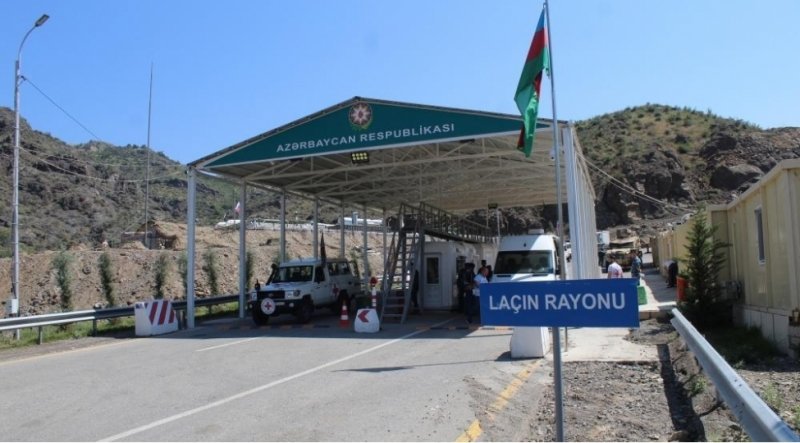
April 23, 2023, became one of the defining dates in the modern history of Azerbaijan. On that day, the Lachin border checkpoint was established — a move that carried not only practical importance for strengthening security, but also symbolized the restoration of full state control over a strategically vital area. Three years later, on April 23, 2026, this development is no longer viewed as a single, isolated step, but rather as a key component of a broader and consistent policy aimed at reinforcing national sovereignty.
The establishment of the checkpoint on the Lachin corridor was a logical continuation of the process of restoring Azerbaijan’s territorial integrity and transitioning to a new phase of state-building. For many years, this route remained outside Baku’s complete control, creating significant challenges in terms of both security and governance. By asserting control over the Lachin road, Azerbaijan eliminated these risks and reinforced the principle of its inalienable sovereignty over its borders.
However, the importance of this step extends beyond its immediate practical implications. It reflects a systematic, well-calculated, and consistent strategy pursued under the leadership of President Ilham Aliyev. Within this framework, key decisions have been taken to restore territorial integrity, ensure national security, and build a sustainable architecture for peace in the region.
It is particularly noteworthy that these decisions were made within a highly complex regional and international environment. Achieving such outcomes required not only strong political will, but also strategic foresight, the ability to anticipate developments, and a readiness to act decisively. In this regard, the head of state's role was crucial. Through a focused and determined policy approach, results were achieved that may now seem self-evident, but required considerable responsibility and confidence at the time.
As President Ilham Aliyev emphasized, “the establishment of a checkpoint on the Azerbaijani-Armenian border, at the beginning of the Lachin-Khankendi road, is the sovereign right of our country and an expression of our commitment to ensuring our territorial integrity.”
Although Azerbaijan acted fully within the framework of international law, it still needed time to communicate and explain its position to various international actors and institutions. The opening of the checkpoint was met with considerable concern not only by Armenia, but also by its partners at the time, including France and the United States. Within a week of the event, then–Secretary of State Antony Blinken contacted Baku, receiving a clear response from Ilham Aliyev: “the checkpoint had been established in full accordance with Azerbaijan’s sovereign rights and international norms.” The president stressed that the objective was not to restrict movement, but to ensure proper control.
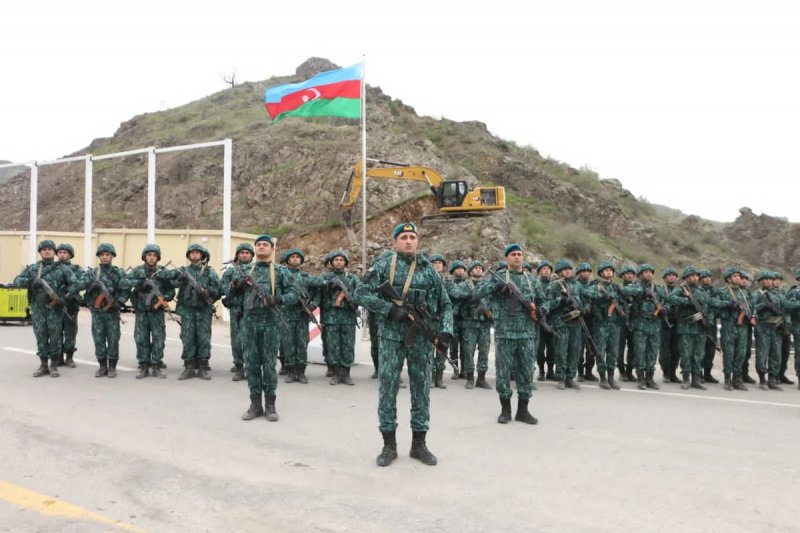
The Lachin border checkpoint officially became operational at noon on April 23, 2023. Just three days later, on April 26, Azerbaijan’s national flag was raised at the site, and signage was installed indicating entry into the territory of the Republic of Azerbaijan. The command of the Russian peacekeeping contingent and the Russian-Turkish Monitoring Center were duly informed about the launch of operations.
The establishment of the checkpoint was, in many respects, inevitable. During the Second Karabakh War, Azerbaijan restored its territorial integrity through military victory over Armenian forces. However, a number of issues remained unresolved and were expected to be addressed through negotiations. Despite this, no tangible results were achieved.
Meanwhile, the transportation of mines, weapons, and personnel to Khankendi via the Lachin road continued, contributing to the presence of illegal armed groups. Furthermore, on April 22, Armenia unilaterally set up a border checkpoint at the entrance to the Lachin–Khankendi road, in violation of the trilateral statement signed on November 10, 2020.
The establishment of the checkpoint on the Hakari Bridge came as a surprise to many observers. No major analytical center had predicted such a development, and few anticipated such a decisive move from the Azerbaijani side. At the time, Baku was already under considerable external pressure, making the decision particularly bold. However, the move proved justified. Without establishing effective border control, it would have been impossible to halt the flow of weapons and military personnel from Armenia to separatist elements.
Following the opening, multiple attempts were made to pressure Azerbaijan into reversing its position. One of the most serious provocations occurred on June 15, less than two months after the checkpoint became operational. Azerbaijani border guards came under fire from the Armenian side while raising the national flag on the Hakari Bridge — an area fully within Azerbaijan’s internationally recognized borders. There were also attempts by Russian peacekeepers to interfere in the situation.
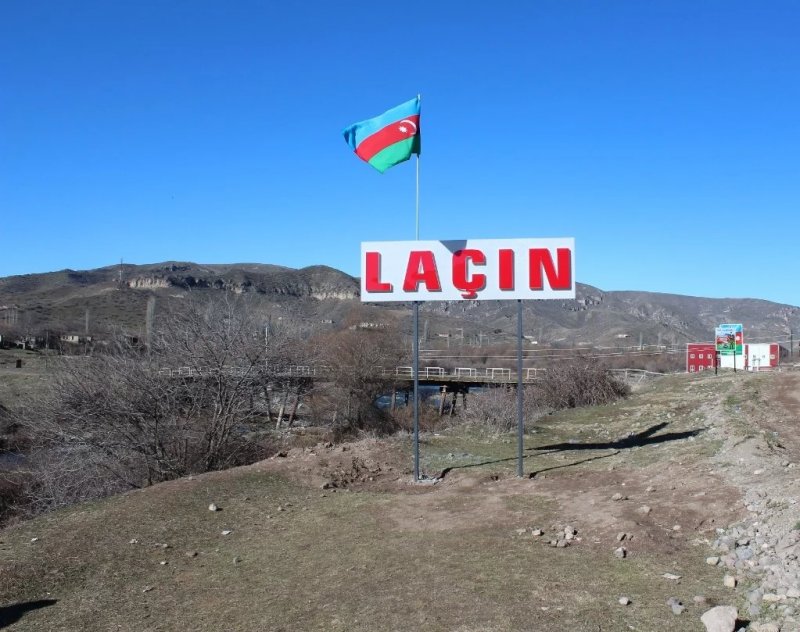
Today, however, the Lachin border checkpoint is an established reality recognized by all parties.
Control over the Lachin road, along with subsequent developments, including public protests and the strengthening of state presence in the area, has become an integral part of a unified national strategy. These measures not only reinforced Azerbaijan’s position but also demonstrated the state’s ability to consistently defend its national interests through clear and determined political leadership. The implementation of such a significant dec i sion reflects a comprehensive state policy shaped at the highest level.
The past three years provide an opportunity to assess interim results. During this period, Azerbaijan has not only consolidated control over its territories but has also laid the groundwork for long-term stability and development. The Lachin border checkpoint has evolved beyond a mere piece of border infrastructure to become a symbol of a new phase — one in which state sovereignty is fully and effectively exercised.
Today, this date stands as a meaningful milestone in the strengthening of Azerbaijan’s independence and statehood. It reflects strategic consistency, measured decision-making, and the capacity to implement policies with long-term impact. The anniversary of the establishment of the Lachin border checkpoint offers not only a moment for reflection, but also an opportunity to underscore the significance of the policies that have enabled Azerbaijan to firmly consolidate its status as a sovereign and independent state.
By Tural Heybatov


Similar news