Air Canada labor deal could reshape pay for North American Airline crews


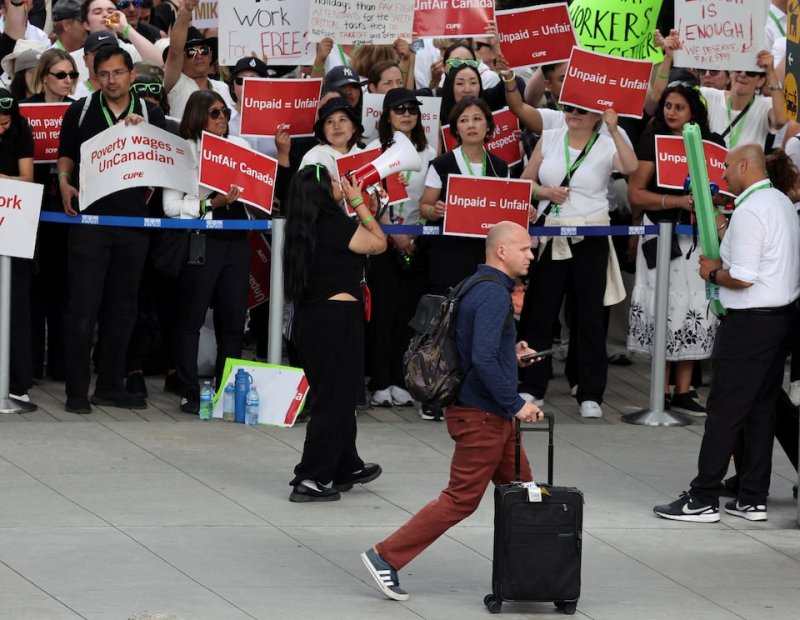
A tentative labor deal between Air Canada and its flight attendants may signal a major shift in how airline crews are compensated across North America. The agreement, reached Tuesday after a four-day strike that grounded thousands of flights, ends unpaid work for attendants and could influence upcoming negotiations at other carriers.
Under the deal, flight attendants would be paid for an hour before flights on narrowbody jets and 70 minutes on widebody aircraft, starting at half their normal hourly rate in year one and rising to 70% by year four. Previously, Air Canada had offered half pay for 45 minutes on narrowbody jets and 60 minutes on widebody aircraft, News.Az reports, citing Reuters.
The strike highlights broader unrest in the airline industry, where crews often perform tasks on the ground—boarding, deplaning, pre-flight prep—without full pay. U.S. carriers, including American, Southwest, and Alaska Airlines, have faced similar disputes, with some crews recently rejecting labor agreements that failed to address unpaid labor.
Sara Nelson, president of the Association of Flight Attendants-CWA, called the Air Canada strike “an inspiration to working people everywhere,” saying it has helped define the problem of unpaid expectations for flight attendants.
Air Canada CEO Michael Rousseau said the strike underscores the need to review compensation models industry-wide. Analysts warn that paying for ground time will raise operating costs; Air Canada’s wage bill has already risen roughly 26% since before the pandemic, and incremental costs for the new deal could reach C$140 million.
While the financial burden is significant, industry experts caution that failing to address crew pay risks future strikes and unrest.


Similar news