Apple to close Maryland store, union outraged


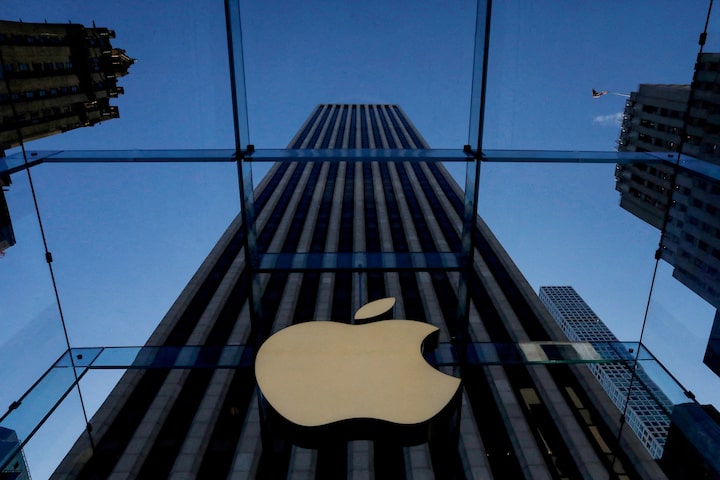
Apple Inc. has announced plans to shut down its retail store in Towson, Maryland, marking the closure of the first unionized Apple store in the United States and triggering strong backlash from labor groups.
The company described the decision as “difficult,” pointing to declining conditions at the Towson Town Center mall and the departure of several retailers as key reasons behind the move, News.Az reports, citing Reuters.
The Towson location made history in 2022 when more than 100 employees voted to join the International Association of Machinists & Aerospace Workers (IAM), becoming the first Apple retail workforce in the U.S. to unionize. The development was widely seen as part of a broader wave of labor organizing across major corporations, including Amazon and Starbucks.
RECOMMENDED STORIES
Apple said employees at the affected store will have the opportunity to apply for other roles within the company, including positions at nearby retail locations.
However, the IAM union strongly criticized the closure, calling it “outrageous” and suggesting it may be an attempt to weaken organized labor efforts. In a statement, the union said it is exploring all legal options and rejected Apple’s claims that contractual obligations limit relocation possibilities.
“Apple’s justification raises serious concerns that this closure is a calculated move to undermine the union,” the organization said.
The Towson decision comes amid a complex history of unionization efforts within Apple’s retail network. In 2022, a similar organizing campaign in Atlanta was withdrawn after workers alleged intimidation, adding to ongoing scrutiny of labor relations at the company.
In addition to the Maryland location, Apple confirmed it will also close stores at Trumbull Mall in Connecticut and North County Mall in California. Employees at those sites are expected to continue their roles at nearby Apple locations.
The closure of the Towson store is likely to intensify debate over workers’ rights and corporate responsibility, especially as unionization efforts continue to gain momentum across the U.S. retail sector.
By Aysel Mammadzada


Similar news