ASEAN leaders warn Iran war fallout is raising costs


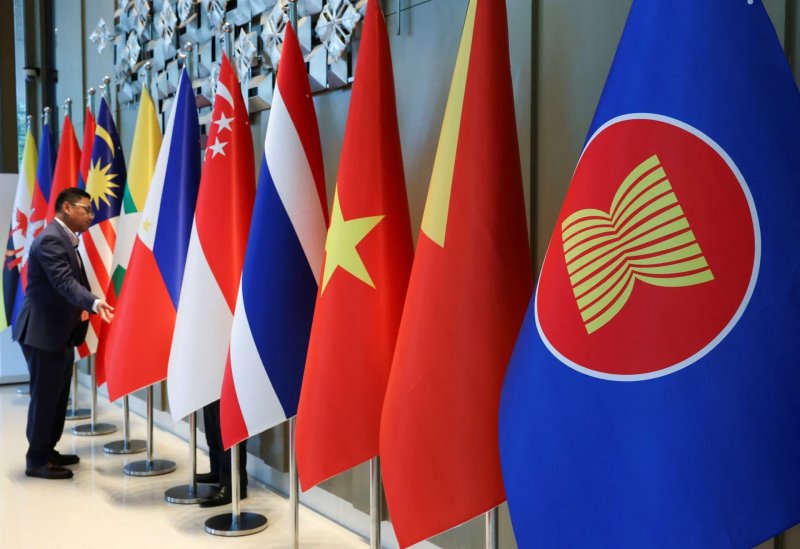
Leaders across Southeast Asia have raised concerns about the global ripple effects of the Iran conflict, warning that the crisis is already affecting energy prices, livelihoods, and regional stability during a major summit of the ASEAN.
At the opening of the meeting, Philippine President Ferdinand Marcos Jr. said the war involving the United States and Israel against Iran is being felt far beyond the Middle East. He pointed to rising living costs and economic pressure, noting that ASEAN citizens working or living in the Middle East are also being affected, News.Az reports, citing Al Jazeera.
Marcos called on ASEAN members to strengthen coordination and develop practical joint measures to protect energy security and improve regional connectivity. His remarks reflect growing concern within the bloc that instability in key global energy routes could directly impact Southeast Asian economies, many of which are highly dependent on imported energy.
RECOMMENDED STORIES
The 11-member bloc—representing more than 700 million people across countries including the Philippines, Thailand, Singapore, and Malaysia—is expected to issue a joint statement urging de-escalation and improved crisis communication. Draft versions reportedly also call for safer maritime conditions and the reopening of strategic waterways affected by tensions.
Analysts say the crisis is pushing ASEAN toward deeper economic and diplomatic coordination. Regional expert Tan Hsien-Li of the National University of Singapore noted that the bloc is likely to expand cooperation not only internally but also with external partners in regions such as Latin America and the Asia-Pacific, as countries seek to stabilize trade and energy flows.
The discussions highlight how conflicts far outside Southeast Asia are increasingly shaping the region’s economic outlook, particularly through energy markets, shipping routes, and global supply chain disruptions.
By Aysel Mammadzada


Similar news