Azerbaijan, Kazakhstan, Uzbekistan team up to export "green energy" to Europe


By Sabina Alizade
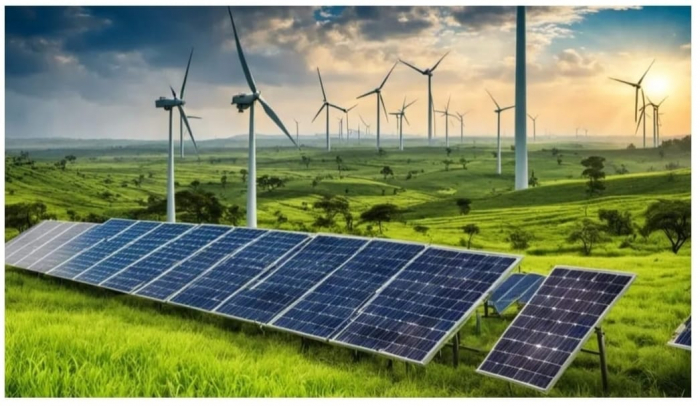
Azerbaijan, Kazakhstan, and Uzbekistan, rich in natural reserves and with ambitious plans, are joining forces to export "green energy" to Europe. The three countries have signed a cooperation memorandum to integrate their energy systems. The memorandum will stimulate the achievement of joint objectives in the production of "green" energy and its export to Europe through Azerbaijan, the integration of systems, and the efficient use of renewable resources.
According to the document, the participants will explore the possibilities of integrating energy systems by laying a high-voltage cable — the Trans-Caspian Fiber Optic Cable Project (TCFO) — through the bottom of the Caspian Sea, creating a digital telecommunications corridor between Asia and Europe. The main route of the TCFO is planned from Kazakhstan's Aktau region to the city of Sumqayit in Azerbaijan.
During a meeting in Tashkent, the economy and energy ministers of Azerbaijan, Kazakhstan, and Uzbekistan discussed prospects of transporting "clean" electric power generated from Central Asia's solar and wind power stations to Europe via Azerbaijan. This project opens new opportunities for economic cooperation between Azerbaijan, Kazakhstan, Uzbekistan, and Europe. The Cooperation Memorandum on the integration of energy systems signed between Azerbaijan, Kazakhstan, and Uzbekistan is a significant step towards enhancing energy efficiency and integrating the growth of the "green" economy.
Azerbaijan, possessing rich oil and gas reserves, already plays a crucial role in ensuring Europe's energy security. However, Azerbaijan also has significant potential for developing renewable energy sources. Kazakhstan, a leader in uranium production, aims to become a "green" energy hub by using its vast deserts to build solar and wind stations. Uzbekistan, with a growing economy and ambitious development plans, views "green" energy as the key to a sustainable future. The Caspian Sea region has substantial potential for wind energy production, estimated at 157 GW, which significantly exceeds the demand in Azerbaijan.
Azerbaijan plans to increase the share of renewable energy sources (RES) in its energy balance to 24% by 2026 and to 30% by 2028. The economic potential of the country's RES is 27 GW, including 3,000 MW from wind and 23,000 MW from solar energy. Kazakhstan aims to increase the share of renewable energy in its total power generation to 6% by 2025 and to 10% by 2030. RES should constitute at least half of total energy consumption by 2050. Kazakhstan's wind potential exceeds 1.82 trillion kilowatt-hours per year, while solar energy reaches 1 trillion kilowatt-hours.
The government of Uzbekistan aims to boost the share of RES in total electricity production to 25% by 2030. The potential for wind energy in Uzbekistan is 520 GW, and solar energy potential is 2.058 trillion kWh.
Considering this potential, Azerbaijan, Kazakhstan, and Uzbekistan can become the driving force behind Europe's energy transition by providing clean, reliable, and cost-effective energy. Uzbekistan, Kazakhstan, and Azerbaijan have joined forces to create another "green energy corridor", with "green hydrogen" being one of its crucial components.
Kazakhstani expert Ermukhamet Ertisbaev, chairman of the People's Party of Kazakhstan , recently stated that the Trans-Caspian International Transport Route, or the Middle Corridor, has gained new significance in connecting China to Europe through Central Asia and the Caucasus due to recent global political developments.
He proposed a broader view of the Middle Corridor, traditionally used for the supply of goods, suggesting it be considered as an international trade and mutually beneficial cooperation route across the Caspian Sea. This perspective opens significant prospects for all countries involved in the Trans-Caspian project.
The Kazakhstani expert emphasized that the next step should involve the integration of the three countries' energy systems, as outlined in the Cooperation Memorandum signed by the Ministers of Economy and Energy. Currently, the focus is on exploring the possibility of integrating energy systems by laying a high-voltage deep-sea cable through the bottom of the Caspian Sea. Ertisbaev stated that Kazakhstan has always advocated peaceful cooperation and a multi-vector economic and trade policy that benefits all participating countries. He noted that the integration of energy systems would bring our countries closer together and make our partnership more effective. "This will be an additional stimulus for all of us for the development of the Trans-Caspian direction," he added.
Azerbaijani lawmaker Vuqar Bayramli told News.az that replacing the Three Seas Initiative with the Four Seas Initiative is currently under discussion, and it is crucial to consider the inclusion of the Caspian Sea in this initiative from a green energy perspective, as there is significant green energy potential to the east and west of the Caspian Sea. Bayramli noted that based on the agreement between Azerbaijan and the European Union, Azerbaijan is set to start exporting its green energy to the European market from 2027. Practically, work is ongoing to lay a cable through the bottom of the Black Sea to bring Azerbaijani and Georgian green energy to the European market. However, an important aspect is also utilizing the alternative energy potential of Central Asia to bring green energy produced in those countries to the European market.
"There is considerable green energy potential in Central Asia. Transporting this energy is possible through the Caspian Sea. Ultimately, this entails the integration of the Caspian and Black Seas, the context of green energy, and finally, the export of green energy to the European market. Therefore, the integration of the energy systems of Azerbaijan, Kazakhstan, and Uzbekistan is crucial. If this initiative is realized, it will be possible to bring energy from both the western and eastern parts of the Caspian Sea to the European market."
Azerbaijan, Kazakhstan, and Uzbekistan, rich in natural reserves and with ambitious plans, are joining forces to export "green energy" to Europe. The three countries have signed a cooperation memorandum to integrate their energy systems. The memorandum will stimulate the achievement of joint objectives in the production of "green" energy and its export to Europe through Azerbaijan, the integration of systems, and the efficient use of renewable resources.
According to the document, the participants will explore the possibilities of integrating energy systems by laying a high-voltage cable — the Trans-Caspian Fiber Optic Cable Project (TCFO) — through the bottom of the Caspian Sea, creating a digital telecommunications corridor between Asia and Europe. The main route of the TCFO is planned from Kazakhstan's Aktau region to the city of Sumqayit in Azerbaijan.
During a meeting in Tashkent, the economy and energy ministers of Azerbaijan, Kazakhstan, and Uzbekistan discussed prospects of transporting "clean" electric power generated from Central Asia's solar and wind power stations to Europe via Azerbaijan. This project opens new opportunities for economic cooperation between Azerbaijan, Kazakhstan, Uzbekistan, and Europe. The Cooperation Memorandum on the integration of energy systems signed between Azerbaijan, Kazakhstan, and Uzbekistan is a significant step towards enhancing energy efficiency and integrating the growth of the "green" economy.
Azerbaijan, possessing rich oil and gas reserves, already plays a crucial role in ensuring Europe's energy security. However, Azerbaijan also has significant potential for developing renewable energy sources. Kazakhstan, a leader in uranium production, aims to become a "green" energy hub by using its vast deserts to build solar and wind stations. Uzbekistan, with a growing economy and ambitious development plans, views "green" energy as the key to a sustainable future. The Caspian Sea region has substantial potential for wind energy production, estimated at 157 GW, which significantly exceeds the demand in Azerbaijan.
Azerbaijan plans to increase the share of renewable energy sources (RES) in its energy balance to 24% by 2026 and to 30% by 2028. The economic potential of the country's RES is 27 GW, including 3,000 MW from wind and 23,000 MW from solar energy. Kazakhstan aims to increase the share of renewable energy in its total power generation to 6% by 2025 and to 10% by 2030. RES should constitute at least half of total energy consumption by 2050. Kazakhstan's wind potential exceeds 1.82 trillion kilowatt-hours per year, while solar energy reaches 1 trillion kilowatt-hours.
The government of Uzbekistan aims to boost the share of RES in total electricity production to 25% by 2030. The potential for wind energy in Uzbekistan is 520 GW, and solar energy potential is 2.058 trillion kWh.
Considering this potential, Azerbaijan, Kazakhstan, and Uzbekistan can become the driving force behind Europe's energy transition by providing clean, reliable, and cost-effective energy. Uzbekistan, Kazakhstan, and Azerbaijan have joined forces to create another "green energy corridor", with "green hydrogen" being one of its crucial components.
Kazakhstani expert Ermukhamet Ertisbaev, chairman of the People's Party of Kazakhstan , recently stated that the Trans-Caspian International Transport Route, or the Middle Corridor, has gained new significance in connecting China to Europe through Central Asia and the Caucasus due to recent global political developments.
He proposed a broader view of the Middle Corridor, traditionally used for the supply of goods, suggesting it be considered as an international trade and mutually beneficial cooperation route across the Caspian Sea. This perspective opens significant prospects for all countries involved in the Trans-Caspian project.
The Kazakhstani expert emphasized that the next step should involve the integration of the three countries' energy systems, as outlined in the Cooperation Memorandum signed by the Ministers of Economy and Energy. Currently, the focus is on exploring the possibility of integrating energy systems by laying a high-voltage deep-sea cable through the bottom of the Caspian Sea. Ertisbaev stated that Kazakhstan has always advocated peaceful cooperation and a multi-vector economic and trade policy that benefits all participating countries. He noted that the integration of energy systems would bring our countries closer together and make our partnership more effective. "This will be an additional stimulus for all of us for the development of the Trans-Caspian direction," he added.
Azerbaijani lawmaker Vuqar Bayramli told News.az that replacing the Three Seas Initiative with the Four Seas Initiative is currently under discussion, and it is crucial to consider the inclusion of the Caspian Sea in this initiative from a green energy perspective, as there is significant green energy potential to the east and west of the Caspian Sea. Bayramli noted that based on the agreement between Azerbaijan and the European Union, Azerbaijan is set to start exporting its green energy to the European market from 2027. Practically, work is ongoing to lay a cable through the bottom of the Black Sea to bring Azerbaijani and Georgian green energy to the European market. However, an important aspect is also utilizing the alternative energy potential of Central Asia to bring green energy produced in those countries to the European market.
"There is considerable green energy potential in Central Asia. Transporting this energy is possible through the Caspian Sea. Ultimately, this entails the integration of the Caspian and Black Seas, the context of green energy, and finally, the export of green energy to the European market. Therefore, the integration of the energy systems of Azerbaijan, Kazakhstan, and Uzbekistan is crucial. If this initiative is realized, it will be possible to bring energy from both the western and eastern parts of the Caspian Sea to the European market."


Similar news