Azerbaijan's socio-economic development program: building a strong foundation for a prosperous and secure future


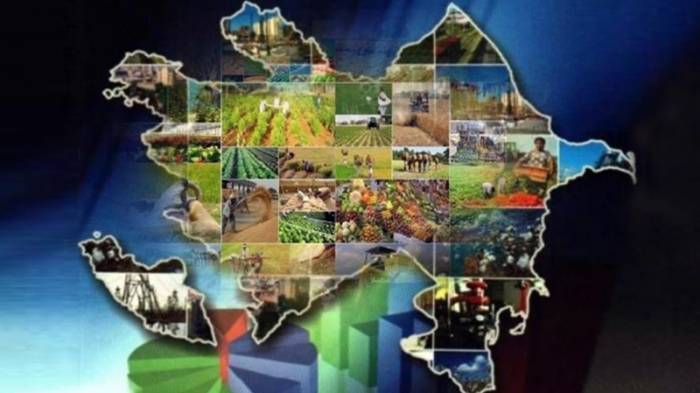
In 2023, the term of the State Program for Socio-Economic Development of the Regions of the Republic of Azerbaijan, which was implemented in 2004, came to an end. This marked a significant milestone in the country’s history, encompassing two decades of active efforts aimed at restoring, modernizing, and stimulating the development of all regions of Azerbaijan. As a result of the program’s implementation, significant achievements were made in infrastructure, social services, and the economy.
However, despite these successful outcomes, the Government of Azerbaijan recognized the need for further development and the adaptation of strategies in response to emerging challenges and new opportunities. Therefore, on July 22, 2022, a new law was passed on the State Program for Socio-Economic Development of the Regions of Azerbaijan for 2023-2030. This document aims to consolidate the successes achieved so far and continue efforts to improve citizens' quality of life and ensure the sustainable development of the regions in the long term.
Achievements during the program’s implementation (2004-2023)
Economic Growth and Diversification of Regional Economies
One of the key achievements of the previous program was the stimulation of economic growth in the country's regions. Since 2004, significant progress has been made in shifting the economy towards diversification and the development of new industries. By 2022, the share of the non-oil sector in Azerbaijan’s Gross Domestic Product (GDP) reached over 70%, thanks to the successful implementation of programs in agriculture, industry, and services.
Agriculture : The agricultural sector has seen remarkable growth. Azerbaijan has become one of the largest producers of fruits, vegetables, and nuts in the region. In 2022, the total harvest amounted to 2.5 million tons of grains and over 1.3 million tons of vegetables, a 15-20% increase compared to the early 2000s.
Industrial and Technological Zones : New industrial zones and technology parks, such as the Garadagh Industrial Zone and the Sumgayit Chemical Industrial Park, have been established. Over the course of the program, more than 500 new manufacturing facilities were opened, creating more than 50,000 jobs.
Infrastructure Development: Roads, Energy , and Communication
One of the main focuses of the program was infrastructure development. Investments in transport, energy, and communications have significantly improved living and working conditions in the regions.
Roads and Transport : A major part of the transport network consists of reconstructed and newly built highways. Since 2004, more than 3,000 kilometers of roads have been constructed or restored across various regions. Notable projects include the construction of the Baku-Ganja highway, as well as the reconstruction of key roads in southern and western parts of the country.
Energy: In the energy sector, new electrical substations and transmission lines have been built. In 2022, over 30 new power plants were commissioned, ensuring stable energy supply to remote regions. Azerbaijan has also actively invested in the development of renewable energy sources. In 2023, more than $300 million was allocated for the development of solar and wind energy.
Social development: Healthcare , education , and housing
The social development program also brought significant changes to the social sector.
Healthcare: Over the course of the program, more than 150 new healthcare facilities, including hospitals and clinics, were constructed. By 2022, more than 80% of hospitals in the regions were modernized, and mobile medical programs were developed to ensure access to healthcare services in even the most remote areas of the country.
Education: Significant steps were also taken in the field of education. In 2022, around $400 million was allocated for the construction and modernization of schools, resulting in the opening of 500 new schools across various regions. The implementation of internet technologies and distance learning has significantly increased the accessibility of education, particularly in rural and mountainous areas.
Housing: In the housing sector, over 25,000 new residential units were commissioned, with efforts also focused on the restoration of housing for internally displaced persons (IDPs) and refugees. In 2022 alone, 12,000 new apartments were built for displaced populations.
Demographic development and the fight against migration
One of the key goals was to ensure demographic stability and reduce migration from rural areas to larger cities like Baku. This was achieved through the creation of jobs in the regions, improvement of housing conditions, and the development of social infrastructure. As a result, migration from rural areas decreased by 15%, and the population of the regions increased by 10% from 2004 to 2023.
What lies ahead: Key tasks for the new period (2023-2030)
According to the new State Program, adopted in 2022, the main tasks for the coming years include:
Further Economic diversification
The new program focuses on deepening economic diversification, particularly in sectors such as information technology, green energy, and tourism. To achieve this, new economic zones will be established in the regions, and innovative technologies will be implemented in agriculture and industry.
Infrastructure construction and modernization
Work will continue on the construction and modernization of infrastructure, including:
Completing the construction of railways and highways, especially in the eastern and southern regions. The implementation of large-scale projects in the field of water supply and environmental infrastructure, such as water purification projects and the construction of new reservoirs.
Continuing the modernization of social infrastructure
The program will continue the construction of schools, hospitals, cultural centers, and sports facilities in the regions. Attention will also be focused on vocational training and professional development programs.
Environmental sustainability
The new program places special emphasis on environmental sustainability and the preservation of natural resources. In this regard, the development of green technologies, improvements to waste management systems, and the restoration of forests will be prioritized.
Support for entrepreneurship and small businesses
To further strengthen the economic base of the regions, there will be increased support for small and medium-sized enterprises (SMEs). Particular attention will be given to the creation of industrial parks and the development of a start-up ecosystem, which will contribute to the creation of thousands of new jobs.
Conclusion
The State Program for Socio-Economic Development of Azerbaijan's Regions from 2004 to 2023 has provided a significant boost to the country’s development, greatly improving the quality of life for its population. However, the process of development continues, and the new program, adopted in 2022, lays a solid foundation for further successes. In the coming years, Azerbaijan will focus on deepening economic diversification, modernizing infrastructure, and enhancing the social sector, ensuring balanced development across all regions of the country and raising the standard of living for its citizens.
The material was prepared with the financial support of the Media Development Agency of the Republic of Azerbaijan.


Similar news