Azerbaijan’s social transformation: Women, families, and the future


In an era marked by deepening global inequalities and shifting societal values, Azerbaijan stands out as a country that is taking concrete steps to build a more inclusive, equitable, and resilient society.
Far from treating gender equality, family development, and demographic sustainability as mere aspirations, Azerbaijan has woven them into the fabric of its state policy—implementing reforms that are not only ambitious on paper but are already reshaping social norms and institutional behavior across the country.
Since ratifying the United Nations Convention on the Elimination of All Forms of Discrimination Against Women (CEDAW) in 1995, Azerbaijan has demonstrated a long-term commitment to international standards of gender equity. These commitments have been enshrined in national legislation, including the 2006 Law on Guarantees of Gender Equality and the 2010 Law on Equal Opportunities for Women and Men. But what truly distinguishes Azerbaijan is the systematic way in which these laws are being implemented—with an emphasis on measurable results and societal impact.
Women in Azerbaijan today are more visible and influential than ever before in political and public life. Female representation in the Milli Majlis (Parliament) has significantly increased compared to previous decades, and nearly 30% of seats in local self-governing bodies are now held by women. The number of women in high-ranking positions in public institutions continues to grow, challenging entrenched stereotypes and signaling a broader cultural shift toward inclusivity.
At the same time, Azerbaijan remains deeply committed to strengthening the institution of the family. The State Committee for Family, Women, and Children’s Affairs plays a central role in this effort, acting as the national coordinator for policy implementation. Across the country, “Family Centers” have been established to provide families with legal, psychological, and social support. These centers are not just reactive spaces for crisis intervention—they are proactive hubs of education, awareness, and empowerment.
Public education campaigns are another cornerstone of Azerbaijan’s family policy. Each year, hundreds of events are held on themes such as Family Day, Women’s and Girls’ Rights, and Parental Responsibility. Media and digital platforms play a vital role in shaping narratives around positive family models and promoting traditional moral values rooted in mutual respect and cooperation.
Beyond rhetoric, the Azerbaijani government has developed tangible support systems for young families. These include subsidized mortgage programs, child allowances, and enhanced social benefits. Such policies are designed not only to alleviate economic stress, but also to foster a cultural environment where families can thrive—where having children is seen as a supported and achievable choice, not a financial burden.
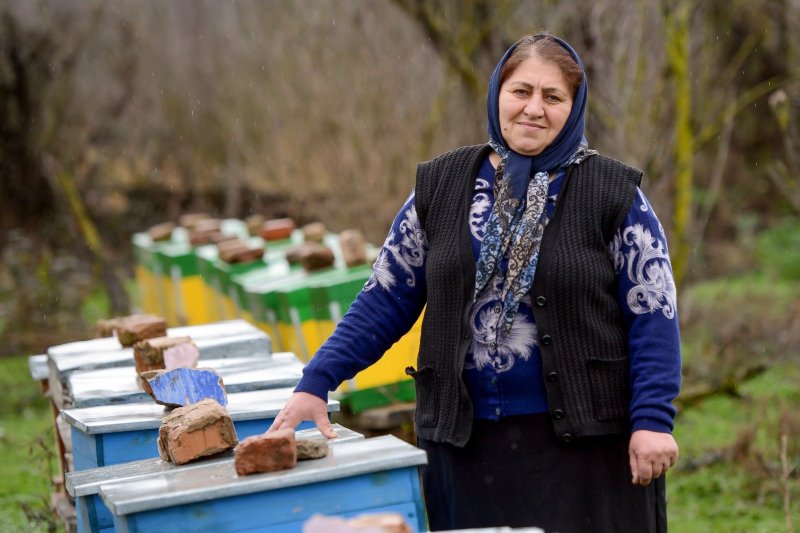
One of the most promising developments in recent years is the rise of women in Azerbaijan’s economic landscape. According to the State Statistics Committee, women made up over 48% of the economically active population by the end of 2024. In the sphere of entrepreneurship, the momentum is unmistakable: over 170,000 women are now registered as business owners, with the majority operating in regional areas. This is no small achievement. In rural districts in particular, small-scale female entrepreneurship is driving local economic resilience, improving household incomes, and enhancing women’s social status.
Government-backed programs—through institutions like the Entrepreneurship Development Fund and the Small and Medium Business Development Agency—are actively equipping women with low-interest loans, vocational training, and mentorship opportunities. This targeted support helps close the opportunity gap and ensures that women are not just included in the economy, but empowered to lead within it.
Education remains a cornerstone of this transformation. Gender parity in education has become a matter of national pride. Girls’ enrollment in pre-school and primary education is consistently high, and women now account for nearly 49% of university students. This suggests that the next generation of Azerbaijani women will play increasingly central roles in fields such as science, technology, and public administration—sectors critical to the country’s future competitiveness.
Demographically, Azerbaijan is also on a steady path. Birth rates have remained stable in recent years, thanks in part to state-sponsored initiatives like “Support for Families with Children,” “Maternal and Child Health,” and reforms to increase social welfare payments. In parallel, Azerbaijan has strengthened its protection of children’s rights through awareness-raising campaigns and institutional safeguards designed to ensure safe, nurturing environments for every child.
What emerges from this multifaceted approach is not just a set of isolated policies, but a coherent vision for the future—one in which gender equality, strong families, and demographic sustainability are mutually reinforcing pillars of national development.
Azerbaijan’s experience holds important lessons for countries grappling with similar challenges. First, that legal reform is only the beginning; what truly matters is consistent implementation and societal buy-in. Second, that gender equality does not require abandoning cultural or family values—on the contrary, it can strengthen them. And finally, that meaningful change is possible when the state, civil society, and international partners work in alignment.
Azerbaijan still has work to do—as all nations do—but its trajectory is clear. It is building the foundations for a society where opportunity is not a privilege of gender or geography, but a shared right. A society where the family remains a source of strength, not constraint. And above all, a society prepared to face the future with confidence, equity, and resilience.
By Rovshan Sayyaroglu
The material was prepared with the financial support of the Media Development Agency of the Republic of Azerbaijan.


Similar news