Can alternative routes replace the Strait of Hormuz?


Rising tensions in the Middle East are no longer viewed solely as a short term geopolitical shock.
According to Fatih Birol, head of the International Energy Agency, the current crisis carries the potential to trigger a structural transformation of the global energy system.
RECOMMENDED STORIES
While markets initially react through price spikes and volatility, the deeper implication lies in how countries, companies, and institutions may permanently alter energy flows, supply chains, and strategic priorities.
This FAQ explainer examines the implications of these developments in detail, addressing key questions about oil markets, the Strait of Hormuz, strategic reserves, and the long term reshaping of global energy dynamics.
What is driving the current energy market volatility?
The immediate driver of volatility is the escalation of geopolitical tensions in the Middle East, a region that accounts for a substantial share of global oil production and exports. Any disruption in this region sends shockwaves through global markets due to its central role in supply chains.
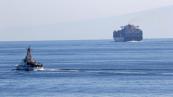
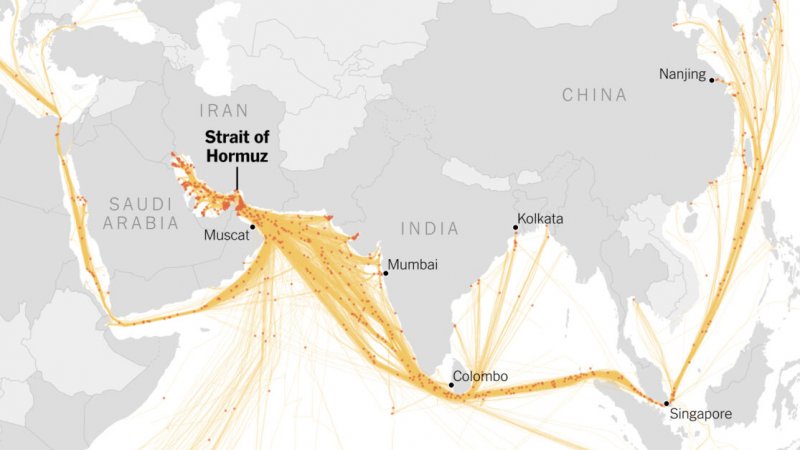
The Strait of Hormuz, in particular, is a critical chokepoint. Roughly one fifth of global oil consumption passes through this narrow maritime corridor. When risks emerge in this area, traders price in potential supply disruptions, leading to rapid increases in oil prices.
Beyond physical disruptions, uncertainty itself plays a major role. Even without a complete blockade, the perceived risk of escalation forces insurers to raise premiums, shipping companies to reroute vessels, and buyers to seek alternative supplies. These cascading effects amplify volatility.
Why is the Strait of Hormuz so important?
The Strait of Hormuz is one of the most strategically significant waterways in the world. Located between the Persian Gulf and the Gulf of Oman, it serves as the primary export route for oil producers such as Saudi Arabia, Iraq, the United Arab Emirates, and Kuwait.
Its importance stems from three key factors.
First, its geographic constraints. The strait is narrow, making it highly vulnerable to disruption from military conflict, blockades, or even accidents.
Second, its concentration of supply. A large portion of globally traded oil and liquefied natural gas passes through this single corridor, creating a systemic risk.
Third, limited alternatives. While pipelines exist to bypass the strait, their capacity is insufficient to fully replace maritime exports.
Fatih Birol’s warning reflects a broader concern that reliance on such chokepoints creates structural vulnerabilities in the global energy system.
What role do strategic oil reserves play in this crisis?
In response to the crisis, the International Energy Agency coordinated the release of approximately 400 million barrels of oil from strategic reserves. This move was designed to stabilize markets and reassure consumers that supply shortages could be mitigated.
Strategic reserves act as a buffer against sudden disruptions. They allow governments to inject supply into the market during emergencies, preventing extreme price spikes and ensuring continuity.
However, these reserves are not a permanent solution. They serve as temporary insurance rather than a long term fix. Continuous reliance on reserves would eventually deplete them, leaving countries more vulnerable in future crises.
Birol emphasized that additional releases remain possible if conditions worsen, underscoring the seriousness of the situation.
Can the global energy system recover quickly if tensions ease?
According to the International Energy Agency’s assessment, even a rapid de escalation would not lead to an immediate normalization of markets. The recovery process is expected to take at least two years.
Several factors contribute to this prolonged timeline.
Supply chain disruptions do not resolve instantly. Shipping routes, insurance contracts, and logistical networks require time to stabilize.
Investment cycles are slow. Companies need time to commit capital, develop infrastructure, and expand production capacity.
Market psychology plays a role. Even after tensions ease, risk premiums remain embedded in prices due to lingering uncertainty.
Birol’s statement that there is no magic wand highlights the structural nature of the disruption. The system cannot simply revert to its previous state overnight.
Why could this crisis become a structural turning point?
The current situation is not just another cyclical shock. It may fundamentally alter how energy is produced, transported, and consumed.
One key shift is the declining reliability of traditional supply routes. The Strait of Hormuz, once considered a stable artery of global trade, is now viewed as a persistent risk.
Another factor is diversification. Countries are increasingly seeking alternative suppliers, routes, and energy sources to reduce dependence on vulnerable regions.
Additionally, geopolitical fragmentation is accelerating. Energy trade is becoming more politicized, with alliances and rivalries shaping flows of oil and gas.
These trends suggest a transition from a globally integrated system to a more fragmented and regionalized energy landscape.
How will energy importing countries be affected?
Energy importing countries face the most immediate and severe consequences. Higher oil prices translate directly into increased costs for transportation, manufacturing, and electricity generation.
Inflationary pressures are likely to intensify. As energy costs rise, they feed into broader price levels, affecting everything from food to industrial goods.
Economic growth may slow as businesses and consumers adjust to higher costs. Governments may be forced to subsidize energy or implement policy measures to cushion the impact.
Birol specifically warned that the coming period would be particularly difficult for these countries, as they lack the domestic resources to offset external shocks.
What does this mean for global oil prices?
Oil prices are expected to remain elevated and volatile even if the immediate crisis subsides.
This is due to several overlapping dynamics.
Persistent geopolitical risk premiums will keep prices above historical averages.
Supply constraints may emerge as producers face logistical and security challenges.
Demand remains relatively strong, particularly in emerging economies.
The combination of these factors creates a scenario in which prices fluctuate sharply but remain structurally high.
Could alternative energy routes replace the Strait of Hormuz?
While alternative routes exist, they are not sufficient to fully replace the Strait of Hormuz.
Pipelines such as those in Saudi Arabia and the United Arab Emirates can bypass the strait, but their capacity is limited. Expanding these networks would require significant investment and time.
Shipping routes around Africa or through other corridors are longer and more expensive, reducing efficiency.
In the long term, however, the crisis may accelerate investment in such alternatives. Countries may prioritize redundancy and resilience over cost efficiency.
Will this accelerate the global energy transition?
The crisis could act as a catalyst for the transition to renewable energy.
High oil prices make alternatives such as solar, wind, and electric vehicles more economically attractive.
Energy security concerns also encourage governments to reduce dependence on imported fossil fuels.
However, the transition is not immediate. Fossil fuels will continue to dominate the energy mix in the near term, particularly in developing economies.
The likely outcome is a dual track system with continued reliance on oil alongside accelerated investment in renewables.
How are major powers likely to respond?
Major energy consuming countries are expected to adopt a range of strategies.
Diversification of supply sources, including increased imports from non Middle Eastern producers.
Expansion of strategic reserves to enhance resilience.
Investment in domestic energy production, where feasible.
Acceleration of renewable energy projects and energy efficiency measures.
At the same time, geopolitical competition may intensify as countries seek to secure reliable energy supplies.
What are the long term implications for global energy markets?
The long term implications are profound.
First, the concept of reliability in energy supply chains is being redefined. Stability can no longer be assumed, even in historically secure regions.
Second, the global energy map is likely to become more decentralized. Multiple routes, suppliers, and energy sources will replace the dominance of a few key chokepoints.
Third, capital allocation will shift. Investment will flow toward infrastructure that enhances resilience, such as pipelines, storage facilities, and renewable energy systems.
Finally, the balance of power in energy markets may change. Countries that can offer stable and diversified supply options will gain strategic advantages.
Is the era of dependence on a single chokepoint ending?
According to Fatih Birol, the answer is yes.
The idea that the global economy could rely heavily on a single maritime corridor is increasingly seen as untenable. Even if the current crisis is resolved, the perception of risk has fundamentally changed.
This shift in perception is critical. Markets are driven not only by physical realities but also by expectations. Once confidence is lost, it is difficult to fully restore.
As a result, the global energy system is likely to evolve toward greater redundancy and diversification.
What happens next key scenarios to watch
Several scenarios could shape the future trajectory.
A rapid de escalation could stabilize markets but still leave lasting structural changes.
Prolonged tensions could accelerate fragmentation and push prices higher.
A major disruption in the Strait of Hormuz could trigger a severe global energy crisis.
Policy responses, technological advancements, and investment decisions will all play crucial roles in determining the outcome.
Conclusion A pivotal moment for global energy
The current Middle East tensions represent more than a temporary disruption. They signal a potential turning point in the evolution of the global energy system.
The release of strategic reserves has provided short term relief, but it does not address the underlying vulnerabilities. The Strait of Hormuz remains a critical risk factor, and its perceived reliability has already been diminished.
As Fatih Birol noted, even a swift resolution would not immediately restore normalcy. The recovery process will be long, complex, and costly.
In this context, the global energy map is likely to be redrawn. Diversification, resilience, and transition will become central themes in shaping the future of energy markets.
For policymakers, businesses, and consumers alike, the message is clear. The era of stable, predictable energy flows may be giving way to a more uncertain and dynamic landscape.
By Faig Mahmudov


Similar news