Chevron, US oil stocks jump after Trump's Venezuela comments


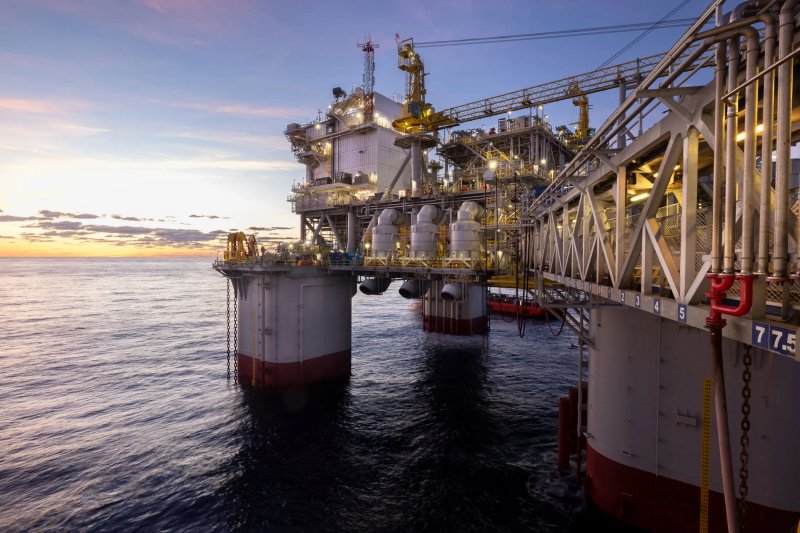
Shares of U.S. oil companies climbed in premarket trading on Monday after President Donald Trump said the United States plans to “run” Venezuela following the capture of Nicolás Maduro over the weekend.
Chevron Corp., the only major U.S. oil company currently operating in Venezuela under special permission from Washington, surged by as much as 10%, News.Az reports, citing Bloomberg.
Other energy giants, including ConocoPhillips and Exxon Mobil Corp., also posted gains.
Chevron — which remained in Venezuela after the nationalization of foreign oil assets at the turn of the century — is best positioned among global oil giants to immediately benefit from bigger US control of the world’s largest crude reserves. ConocoPhillips is owed more than $8 billion by Venezuela and Exxon is still owed about $1 billion stemming from the nationalization of their Venezuelan assets in the early 2000s, international arbitrators have ruled.
It’s unclear how willing global oil companies are to pour substantial sums of money into a country run by a temporary US-backed government without established legal and fiscal rules.
ConocoPhillips said this weekend it is premature to speculate about future business activities. In 2024, the US company that once dominated production in Venezuela was granted a string of licenses by the US government that better positioned it to recover some or all of the losses from asset seizures in the country.
Exxon would look at any potential opportunity in Venezuela but would be cautious because its assets there have been expropriated in the past, Chief Executive Officer Darren Woods said in a November interview.
For Chevron, which holds a US license to drill and export oil from the sanctioned country, operations continue in Venezuela as the company has been shipping oil even as the Trump administration launched a partial maritime blockade.
Analysts and traders say it could take years for critical infrastructure to be fully repaired and for oil to freely flow out of Venezuela, which currently contributes less than 1% of global supplies even though it has the world’s largest reserves.


Similar news