China cuts benchmark lending rates for first time in seven months


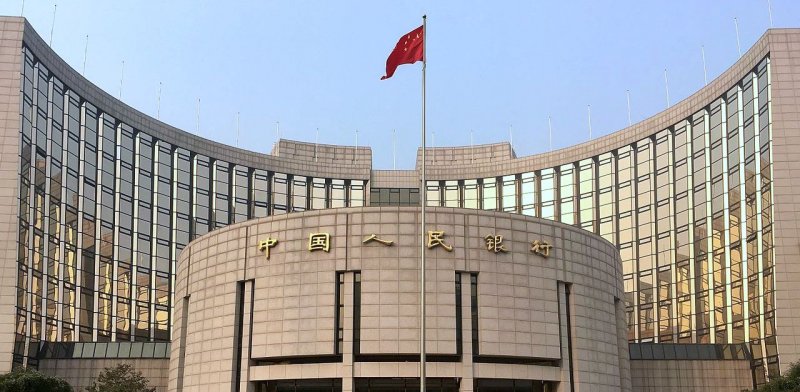
Photo: Getty Images
China cut its key lending rates by 10 basis points on Tuesday, as a stronger yuan and easing trade tensions offer it room for monetary easing aimed at boosting its economy.
The People’s Bank of China trimmed the 1-year loan prime rate to 3.0% from 3.1%, and the 5-year LPR to 3.5% from 3.6%, News.Az reports, citing CNBC.
This marked the first reduction in rates since the central bank’s 25-basis-point cut in October, as Beijing intensifies efforts to shore up its economy.
The benchmark lending rates — normally charged to banks’ best clients — are calculated monthly based on designated commercial banks’ proposed rates submitted to the PBOC.
The 1-year LPR influences corporate and most household loans in China, while the 5-year LPR serves as a benchmark for mortgage rates.
The rate cuts came as a slew of state-backed commercial lenders moved to reduce their deposit rates by as much as 25 basis points earlier Tuesday in an effort to protect their net interest margin, paving the way to lower key lending rates.
The PBOC is likely to continue to ease policy, Zichun Huang, chief economist at Capital Economics said in a note, forecasting the lending rates to be lowered by another 40 basis points by year-end.
The bundle of rate cuts came as part of a package of stimulus measures announced by Beijing earlier this month, including reductions to the lending rates and the amount of cash that banks must hold in reserves. Mortgage rates under the nation’s housing provident fund, a government-backed housing lender, was also lowered by 25 basis points.
Chinese offshore yuan has shaken off some depreciation pressure to stay relatively stable, in no small measure due to a weakening U.S. dollar. The currency has strengthened over 2.8% against the greenback since it notched a record low of 7.4287 last month, according to LSEG data.
Allan von Mehren, China economist at Denske Bank, revised the 12-month target for the offshore yuan to 7.15 from 7.35 on the back of trade de-escalation and Beijing’s “clear preference for currency stability.”


Similar news