Global food prices dip but stay near three-year high: FAO


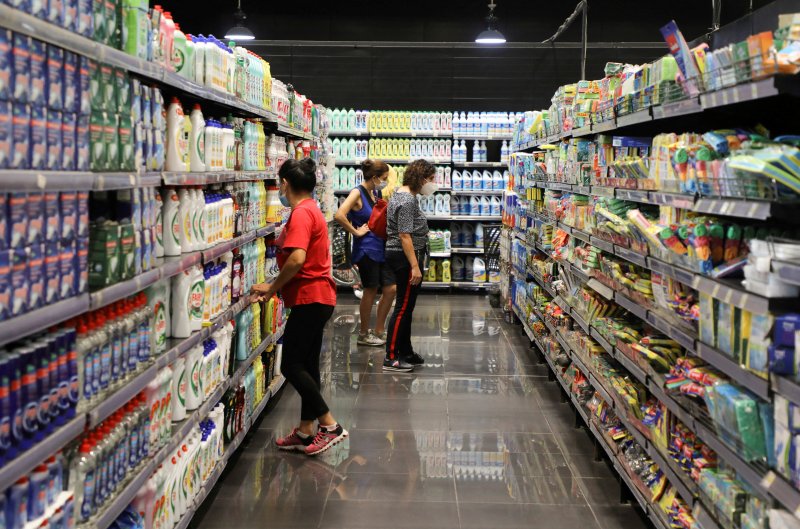
Global food commodity prices edged lower in May compared with a revised April level, as declines in vegetable oil prices offset increases in cereals and sugar, the United Nations Food and Agriculture Organization (FAO) said on Friday, News.Az reports, citing Reuters.
The FAO Food Price Index, which tracks monthly changes in a basket of internationally traded food commodities, averaged 130.8 points in May. This represented a 0.2% decline from the revised April reading of 131.0 points, although the index remained 2.9% higher than in May of last year.
Despite the slight downward revision to April's figure, the index stayed close to its highest level since January 2023 and remained 18.4% below the record peak reached in March 2022.
RECOMMENDED STORIES
Cereal prices increased by more than 2.6% during the month. Wheat prices rose for the fourth consecutive month, supported by weaker export harvest prospects in several producing countries, including the United States, as well as higher fuel and fertilizer costs associated with the conflict involving Iran.
According to the FAO, maize prices also gained support from stronger import demand and tightening supplies in both Brazil and the United States.
In contrast, vegetable oil prices declined by 4.6% from April, marking their first monthly drop of 2026. Lower prices for palm oil and soybean oil more than offset gains recorded for rapeseed and sunflower oils. International palm oil prices, which had risen steadily for five months, moved lower amid expectations of softer global import demand and continued uncertainty in crude oil markets.
Nevertheless, vegetable oil prices remained more than 20% above the levels recorded a year earlier. Elevated energy costs following the effective closure of the Strait of Hormuz boosted demand for biofuels produced from organic feedstocks, including oil-rich crops, helping to keep prices significantly higher on an annual basis.
Sugar prices climbed 7.5% month-on-month to 95.1 points, although they were still 13.1% lower than a year earlier. The increase was largely attributed to concerns about a potential tightening of global sugar supplies in the months ahead.
In a separate report on cereal supply and demand, the FAO projected that global cereal production, including rice measured in milled equivalent terms, would decline by 2% in the 2026/27 season to 2.98 billion metric tons.
The agency said output of all major cereal crops is expected to decrease, although many are coming off record production levels achieved in 2025. Wheat is forecast to register the largest year-on-year percentage decline, while maize and barley are expected to experience the smallest reductions.
By Nijat Babayev


Similar news