China flood of chemicals pushes EU industry to the brink


The European Commission is preparing new measures to support the chemicals sector in the European Union as cheap imports from China continue to put heavy pressure on domestic producers. EU leaders are expected to discuss possible restrictions on Chinese overcapacity at an upcoming summit, as manufacturers warn that delays in decision-making are deepening the crisis.
Manufacturers across Europe are closing plants, cutting production and warning of mass job losses as the industry struggles to compete with low-cost imports, particularly in energy-intensive segments such as plastics and petrochemicals. Industry groups say the situation has reached a critical point, with companies unable to withstand prolonged regulatory timelines, News.Az reports, citing Politico.
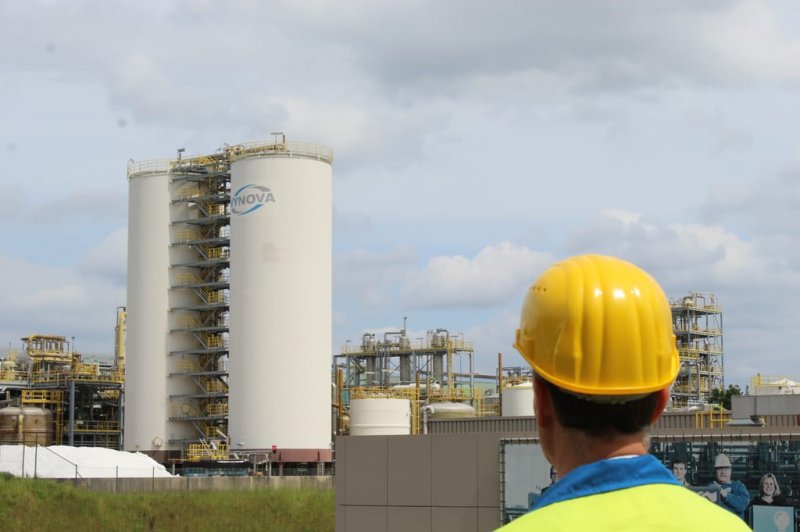
The crisis is particularly visible in companies such as Vynova, which says it has been undercut by Chinese competition and forced to shut production at some sites. The company describes the situation as an “industrial emergency,” warning that planned EU responses may arrive too late to prevent further closures.
RECOMMENDED STORIES
The European chemicals industry lobby Cefic estimates that the sector has lost significant capacity and tens of thousands of jobs over recent years, while reliance on imports has steadily increased.
Officials in Brussels are weighing a range of options, including import quotas, safeguard measures similar to those used in steel, and targeted tariffs on Chinese producers. However, the complexity of the chemicals sector and the number of product categories are expected to complicate implementation.
The debate has also reached top political levels, with German Chancellor Friedrich Merz and European Commission President Ursula von der Leyen previously discussing the issue with industry leaders in Antwerp, where officials described the situation as an “existential crisis.”
While some companies, including Germany’s BASF, caution against sweeping trade barriers, others argue that without faster intervention, parts of Europe’s chemicals industry could disappear before new protections take effect.
By Leyla Şirinova


Similar news