China's BYD eyes acquisition of part of Volkswagen’s Dresden plant


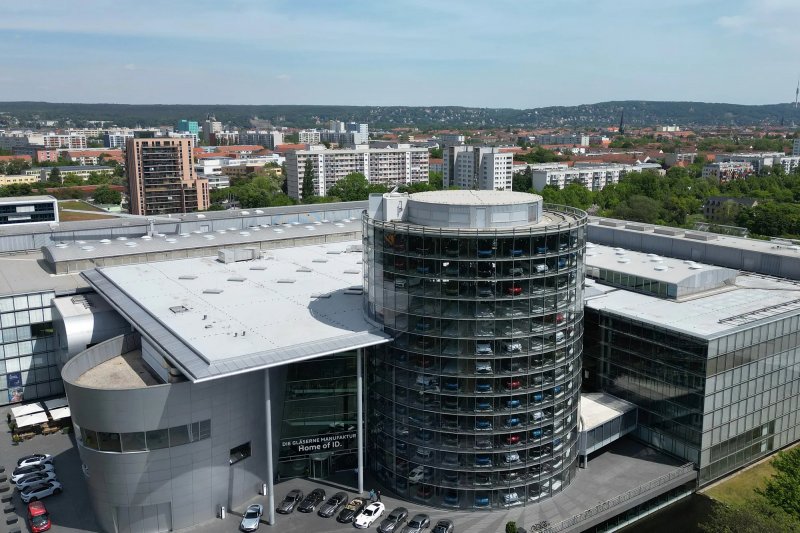
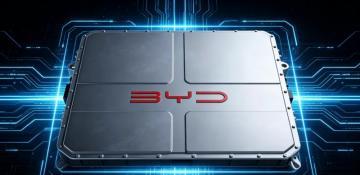
BYD is in discussions with Volkswagen regarding the potential takeover of part of the German automaker’s Transparent Factory in Dresden, according to two sources familiar with the matter, News.Az reports, citing CarNewsChina.com.
Other Chinese electric vehicle manufacturers, including MG and Xpeng, are also reportedly interested in using Volkswagen’s European plants for car production.
Under the reported plans, the Chinese automaker would invest in the site and could use one half of the Dresden facility to manufacture electric vehicles, the source said.
The other half of the plant is reportedly intended to be developed into an innovation hub in cooperation with the state of Saxony and the Technical University of Dresden.
RECOMMENDED STORIES
According to one source, a production base in Germany could also strengthen BYD’s brand recognition in Europe, particularly by allowing it to use a “made in Germany” label, as the company continues to invest significantly in building its image across the European market. BYD sold 3,438 vehicles in Germany in March, marking a 327% increase year over year.
Previously, BYD had considered Spain as its preferred option for a second European production facility. Spain was viewed as attractive due to its relatively low manufacturing costs, established industrial infrastructure, inexpensive electricity, and a strong renewable energy network. The company is already constructing factories in Hungary and Turkey.
Germany also voted against the European Union’s additional tariffs on China-made electric vehicles, a position seen positively in Beijing. China has reportedly been exerting pressure on countries that supported the tariffs, while favouring those that opposed or abstained from voting.
Reuters reported in 2024 that Beijing had instructed Chinese automakers to pause large-scale investments in EU countries that supported the tariffs. Poland, which voted in favour of the tariffs, subsequently lost Leapmotor production at Stellantis’ Tychy plant, while Spain, which abstained, was later selected as the site for Leapmotor B10 production at Stellantis’ Zaragoza facility.
So far, the EU has reportedly offered little visible counterbalance to this strategy, leaving individual member states to respond independently. In January, it was reported that the EU is in talks with China about replacing anti-subsidy tariffs on electric vehicle imports with a “minimum price” mechanism.
BYD declined to comment when contacted by CarNewsChina. Volkswagen also did not immediately respond to a request for comment from the same outlet.
Xpeng and SAIC’s MG are also exploring opportunities to utilise Volkswagen plants in Europe, according to sources familiar with the matter who spoke anonymously as they are not authorised to discuss the issue publicly. No final decision has been made. MG was previously reported to be considering an electric vehicle factory in Spain, after Hungary was earlier seen as a possible location. Xpeng already produces vehicles in Europe through Magna Steyr in Austria and is also a Volkswagen partner in China, supplying E/E architecture for Volkswagen-branded electric vehicles and assisted-driving software. Volkswagen holds a 5% stake in Xpeng, while SAIC is Volkswagen’s joint venture partner in China.
Volkswagen ended vehicle production at the Dresden plant at the end of 2025. The facility, officially known as the Gläserne Manufaktur, was opened in 2002 as a prestige production site for the Volkswagen Phaeton. It later produced Bentley models, the e-Golf, and most recently the ID.3. In recent years, the plant produced around 6,000 units of the ID.3 annually and employed approximately 205 workers.
By Nijat Babayev


Similar news