Cryptocurrencies 2024: New leaders on the horizon?


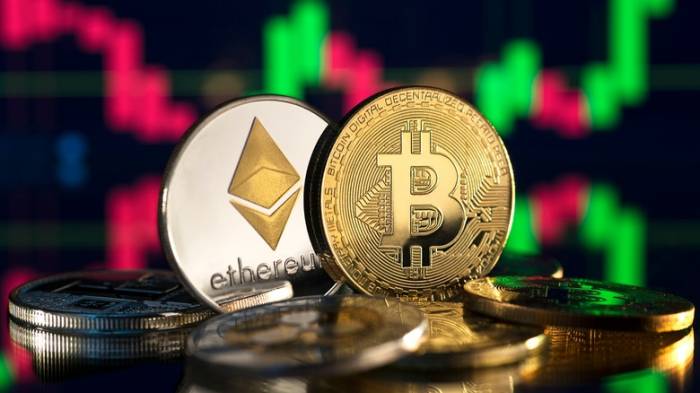
In 2024, the cryptocurrency market continues to capture the attention of investors and analysts worldwide. While Bitcoin (BTC) and Ethereum (ETH) remain the main pillars of this industry, promising altcoins like Ripple (XRP) and Solana (SOL) are emerging on the horizon, offering new opportunities and challenges. Let's take a look at the current situation.
Bitcoin and Ethereum: Unchanging leaders
Bitcoin (BTC) continues to hold the crown as the leading cryptocurrency, with a price of around $29,500 per coin and a market capitalization of over $573 billion. A 24-hour trading volume of $15 billion and a market share of about 48.2% confirm its status as "digital gold." BTC remains the primary currency for institutional investors, who support its price stability and market activity.
Ethereum (ETH), priced at around $1,850 with a market capitalization of over $223 billion, remains an integral part of the ecosystem due to its decentralized applications (dApps) and smart contracts. With a market share of 18.8%, Ethereum serves as a platform for innovation, supporting the growing popularity of DeFi and NFTs, which expand the horizons of financial technology.
Promising altcoins: New breath for the market
Ripple (XRP) and Solana (SOL) show significant potential, representing intriguing alternatives for investors looking to diversify their portfolios.
Ripple (XRP) trades at around $0.60, with a market capitalization of over $31 billion and a market share of about 2.7%. Despite legal battles, Ripple continues to attract attention due to its cross-border payment technology, which promises to revolutionize the banking sector.
Solana (SOL), priced at about $23 with a market capitalization of over $8 billion, has gained popularity for its high transaction speed and low costs. A market share of 0.7% should not be misleading: Solana has already become the foundation for many new projects in the DeFi and NFT space.
General trends: What drives the market?
Rise of DeFi and NFT Popularity: Decentralized financial applications and non-fungible tokens continue to gain popularity, attracting the attention of developers and investors. These technologies promise not only the democratization of financial markets but also expanded opportunities for creativity and value exchange.
Institutional Investments: The interest of major financial organizations in cryptocurrencies remains high, supporting market activity and price stability. Such investments contribute to the legitimacy of cryptocurrencies in the eyes of traditional investors and strengthen their position in the global financial market.
Regulation: Increased regulation in several countries impacts market dynamics. While regulation may limit certain aspects of cryptocurrency trading, it also promotes greater transparency and reduces risks for investors.
In this context, the cryptocurrency market remains dynamic and unpredictable. While Bitcoin and Ethereum continue to dominate, the emergence and development of altcoins promise new opportunities and risks for investors. It remains to be seen what the next step will be in this endless marathon of digital currencies.


Similar news