Cuba’s education system hit by energy crisis


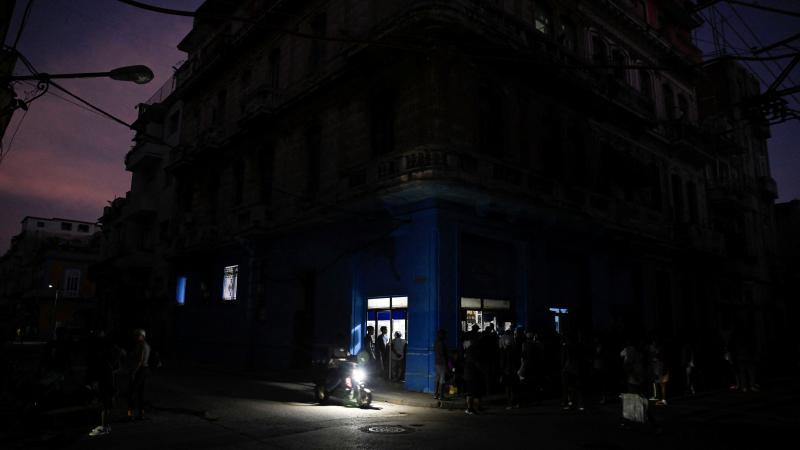
Cuba’s persistent energy crisis is severely affecting its education system, with frequent blackouts, limited school resources, transportation issues, and teacher shortages undermining the quality of teaching nationwide.
For decades, Cuba's government has presented its centralized and free education system as one of the country's key achievements. The late President Fidel Castro was a disciple for literacy and encouraged bringing great works of literature into classrooms, News.Az reports, citing UPI.
RECOMMENDED STORIES
However, the system now faces growing deterioration that is limiting opportunities for younger generations, according to the United Nations Educational, Scientific and Cultural Organization, or UNESCO.
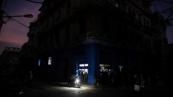
The country's severe energy crisis has forced the Cuban government to end the school year 15 days earlier than planned because of the collapse of the national power grid and fuel shortages. The situation has left large areas of the country without electricity for periods of up to 48 consecutive hours.
The Ministry of Education said it will begin a gradual shutdown of the academic year starting June 15, acknowledging that in-person classes have become unsustainable for students and teachers who spend entire nights without electricity in their homes.
The contingency plan also affects higher education. Universities will conclude the academic year in July and university entrance examinations will be canceled, with admissions based instead on students' cumulative academic records.
Authorities have blamed the worsening crisis on U.S. restrictions affecting fuel supplies. The measures come after months of student complaints and protests over shortages and transportation difficulties affecting the education sector.
"The school year has practically ended in most Cuban schools," Cuban journalist Yoani Sánchez said Monday in her daily podcast. She added that universities have been largely paralyzed since February.
Sánchez said the education system has suffered several blows to quality, including the use of so-called "instant teachers" -- young professionals with limited pedagogical training who have been assigned to classrooms because of teacher shortages and emigration.
Cuba began the 2025-26 academic year with a shortage of 24,000 teachers, according to Education Minister Naima Trujillo.
"After a night without electricity, going to school is a challenge for a child," Trujillo said. She also cited problems related to water access, transportation and basic conditions at many educational facilities.
"Education in Cuba is at risk because of the current energy crisis. This makes it difficult for teachers and students to attend classes, learn effectively and enjoy a normal social life with their friends," Anne Lemaistre, director of UNESCO's Regional Office in Havana, said Saturday.
In her view, the situation threatens an entire generation and could have long-term consequences.
"Their future must be protected for the benefit of all," she added.
In recent months, several universities and higher education institutions have shifted to hybrid learning models because of difficulties maintaining normal operations.
Residents of the Havana neighborhoods of Marianao and Calabazar interviewed by Martí Noticias expressed concern about the state of the education system and its impact on student learning.
They said the crisis is severely affecting children because of shortages of resources and teachers, who often struggle to support their families on current salaries and face transportation costs that make it difficult to reach schools.
Parents interviewed by the outlet also said many schools lack basic services such as running water and electricity, further worsening conditions for students.
They added that some families prefer not to send their children to school because of the absence of snacks, lunches and adequate supervision.
By Ulviyya Salmanli


Similar news