Wreckage of WWII U.S. submarine found near Japan identified


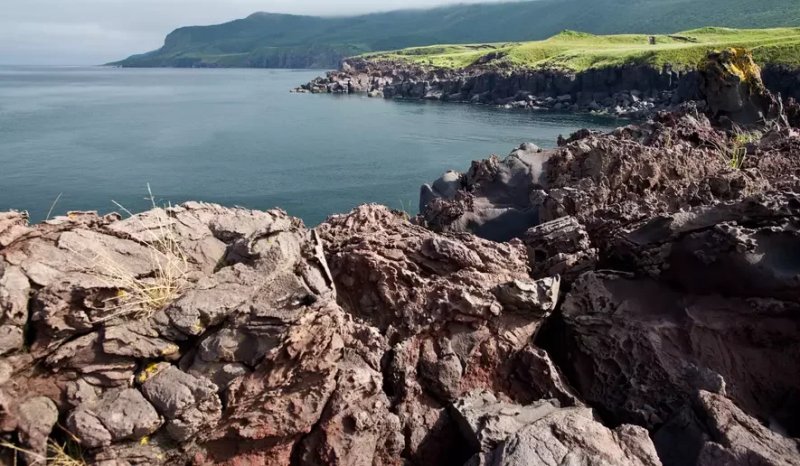
On Monday, the Navy confirmed that wreckage found near an uninhabited volcanic island in the Russian-controlled Kuril Islands is the USS Herring, a World War II submarine lost in June 1944.
The submarine rests at a depth of more than 300 feet and sits upright on its keel. Navy officials said the Herring maintains “a high degree of integrity,” News.Az reports, citing The Washington Times.
RECOMMENDED STORIES
“The submarine displays battle damage around the conning tower and evidence of grounding at her bow, correlating with the historical record,” the Navy said in a statement Monday.
The Herring was launched on Jan. 15, 1942, and commissioned into service four months later. Before her loss, she completed eight war patrols in the Atlantic and Pacific theaters and is credited with sinking seven enemy ships, including four Japanese cargo ships during her final patrol.
The Herring was last seen on May 31, 1944, by the crew of another submarine, the USS Barb, when they met to coordinate patrol areas off the Kuril Islands. On June 1, the Barb recorded the sound of distant depth charges exploding and took it as evidence of an attack against the USS Herring, Navy officials said.
Shore batteries also scored two direct hits on the sub’s conning tower after it had sunk two Japanese ships, the Ishigaki Maru and the Hokuyo Maru. The USS Herring was presumed lost when she failed to report to Navy officials on Midway in July 1944, officials said.
The Kuril Islands have been under Russian administration since their 1945 invasion by the Soviet Union near the end of World War II.
The wreckage was discovered in 2017 during a joint expedition by the Russian Geographic Society and the Russian Navy. A commemorative plaque was placed at the site during a later exploration in 2022.
The Naval History and Research Command confirmed the wreck site as the final resting place of the USS Herring using data collected by the Russians and analyzed by U.S. and Japanese researchers. The U.S. considers it a protected area and said any research activity that might disturb the wreckage should be coordinated by U.S. Navy officials.
“More importantly, the wreck represents the final resting place of sailors who gave their lives in defense of the nation and should be respected by all parties as a war grave,” Navy officials said.
By Ulviyya Salmanli


Similar news