Dividing lines emerge over Iran’s record internet blackout


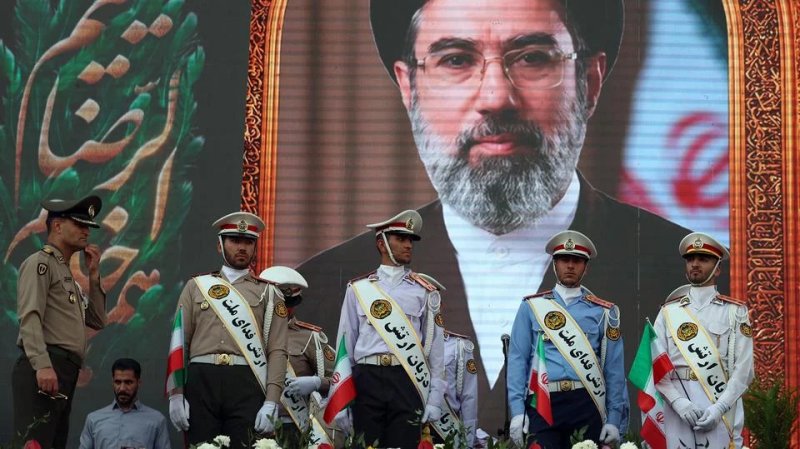
A record two-month internet blackout has become a central point of contention between Iran’s civilian government and its powerful security apparatus, led by the Islamic Revolutionary Guard Corps (IRGC).
While civilian officials, including Vice President Mohammad-Reza Aref and reformist President Masoud Pezeshkian, have increasingly called for the lifting of restrictions to recognize the internet as a public right, these pleas are being overruled by the security services, News.Az reports, citing Miami Herald.
The IRGC, which has gained significant control over daily life during the ongoing war with the U.S. and Israel, maintains that security takes "absolute precedence" over the economic damage, which the Chamber of Commerce estimates at $80 million per day.
RECOMMENDED STORIES
The shutdown, imposed following strikes in late February, has forced the population to rely on the National Information Network—a domestic intranet that blocks foreign apps and websites while allowing limited access to state-sanctioned services.
To mitigate economic collapse, a "tiered internet" system was introduced for vetted users, though government advisers have criticized this selective access. Decision-making is currently dominated by the Supreme National Security Council, now led by hardline IRGC veteran Mohammad Bagher Zolghadr. While security forces claim the blackout is necessary to sever communications between "domestic traitors" and foreign spies, civilian aides warn that these measures risk alienating a frustrated society and depleting the country's "social capital."
By Leyla Şirinova


Similar news