Dutch meat industry exposed: The brutal, 80-hour thirst trap for Irish calves


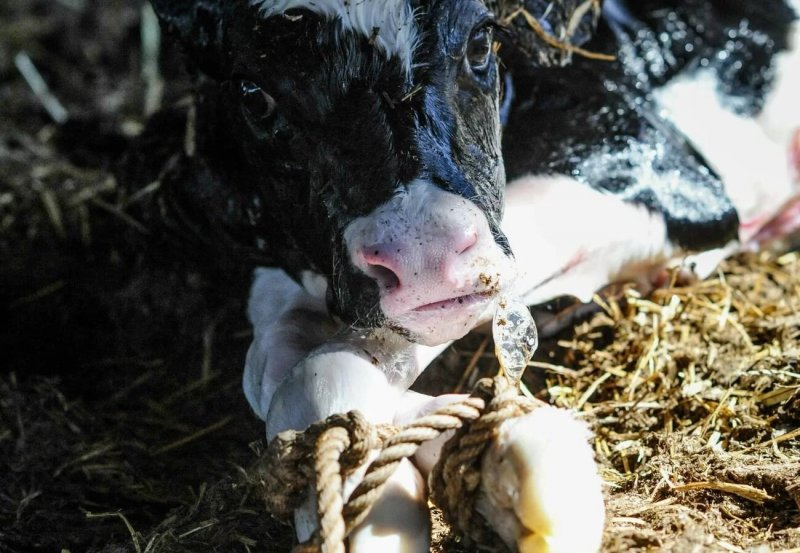
The Dutch meat industry is still importing weeks-old calves from Ireland despite years of criticism and animal cruelty concerns, NOS reports. During the trip, which can take up to 80 hours, the baby animals are deprived of water for some 24 hours.
The sector previously said that it planned to stop importing Irish calves by 2025, News.Az reports, citing NL Times.
NOS discovered that this did not happen. Via public sources, the broadcaster tracked over 10,000 calves shipped from Ireland to the Netherlands between mid-February and Wednesday.
The calves were usually about a month old. In some cases, they were only two weeks old. They went to 85 different farms in the Netherlands.
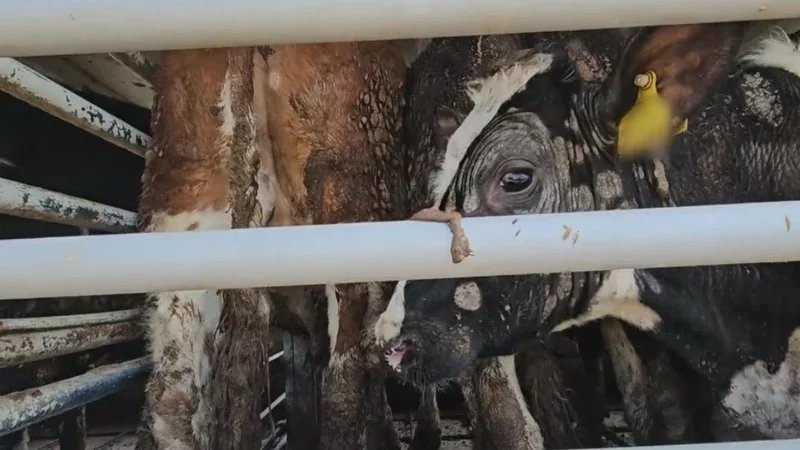
The calves are a byproduct of the Irish dairy sector. Newborn males have little economic value and are shipped at low prices. The Netherlands is a major buyer of Irish bull calves. The majority of the calves are slaughtered in the Netherlands before being shipped further into Europe.When NOS asked Dutch companies about the imports, they gave the same response Shell gives when asked why it is still drilling for fossil fuels: It wouldn’t matter if they stopped, because someone else would simply do it.
“It is not expected to have any effect if an individual company or trader stops importing,” a spokesperson for beef producer VanDrie, the market leader in the sector, told NOS.
RECOMMENDED STORIES
If Dutch companies stopped importing weeks-old calves from Ireland, they would simply go somewhere else, the trade association for veal said.Officially, the animals are required to rest and be given water regularly during the journey - at least once every 12 hours, according to the European Food Safety Authority. But during the crossing from Ireland to France, which takes 19 hours without loading and unloading, watering is impossible. The animals are loaded too close together, and the trucks carrying the calves are not equipped for it, the Irish government previously said.
The Irish government says it is not violating European rules. The law states that animals must be fed if it is “necessary” during transport, but it does not specify a time limit. According to NOS, the European Commission interprets the scientific guideline of every 12 hours as “necessary.”
Another problem is the age of the calves. They can be transported from an age of less than two weeks old. At that age, their immune systems aren’t close to being developed, researcher Luca van Dijk, who obtained his Ph.D. on Irish calves imports, told NOS. “Calves can only be fully fed solid food from eight to nine weeks.” Regular drinking is essential at a month or younger. “They survive, but that does not mean their welfare is good.”
By Leyla Şirinova


Similar news