EU draft targets Israeli ministers with sanctions after flotilla raid


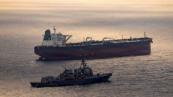
The European Union is considering implementing targeted sanctions against hardline Israeli ministers accused of inciting human rights abuses, following the controversial interception of a Gaza-bound humanitarian aid flotilla in international waters.
The proposed measures are detailed in a leaked draft of conclusions prepared for the upcoming EU summit on June 18–19. According to a report by the Italian news agency ANSA, Point 22 of the document’s Middle East section explicitly "condemns the ill-treatment inflicted on detainees following the interception of the Global Sumud flotilla in international waters." The draft goes on to direct the EU Council to continue developing "restrictive measures against extremist ministers who incite and promote such human rights violations," News.Az reports, citing Anadolu Agency.
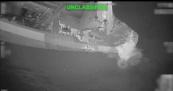
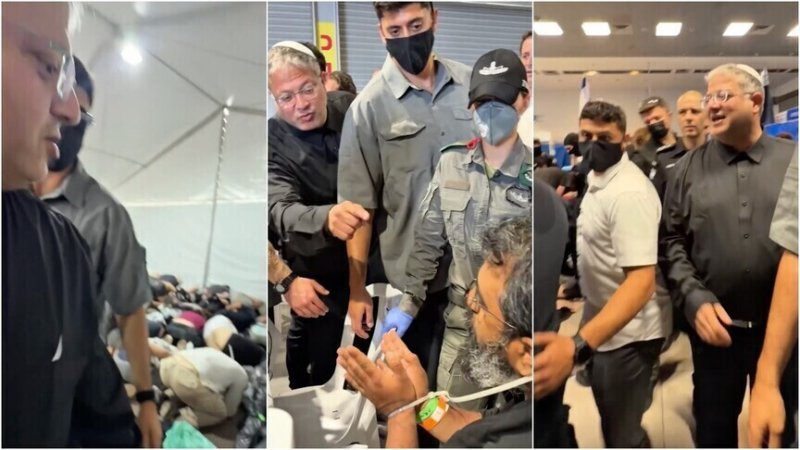
The diplomatic friction intensified after Israeli authorities released video footage of the operation that quickly went viral. The video prominently featured Israeli National Security Minister Itamar Ben-Gvir walking among captured aid activists, who were shown kneeling in tightly packed rows on the deck of a vessel with their hands zip-tied behind their backs.
RECOMMENDED STORIES
The imagery sparked immediate condemnation from international human rights organizations and several European governments. In the wake of the incident, France and Italy led the charge within the bloc, demanding a much tougher, unified European response and advocating for formal sanctions against the officials involved.
The draft text is currently undergoing rigorous negotiations among the permanent representatives of the 27 EU member states in Brussels. Because EU foreign policy requires total unanimity, the language could still be heavily amended or softened before heads of state officially meet. Nonetheless, the draft sets the stage for a highly contentious debate at the mid-June summit as member states attempt to hammer out a cohesive stance on the widening Middle East crisis.
By Aysel Mammadzada


Similar news