What is behind Finland’s €3.7M compensation payment to Naftogaz?


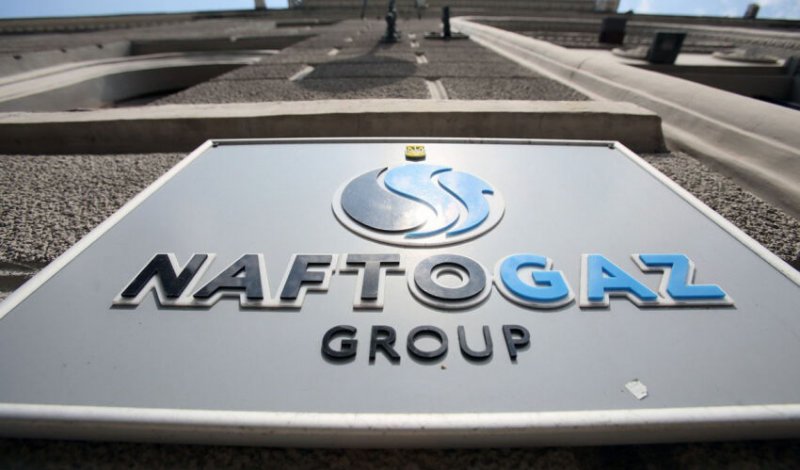
The decision by Finland to transfer €3.7 million worth of seized Russian assets to Ukraine’s state energy company Naftogaz has attracted significant international attention.
While the amount itself is relatively small compared with the overall financial damage caused by the war in Ukraine, the move carries legal, political, and economic implications that extend far beyond the immediate payment, News.az reports.
RECOMMENDED STORIES
The case highlights a broader debate taking place across Europe and the wider international community: can Russian state assets be used to compensate victims of the war, and if so, under what legal framework? It also demonstrates the growing willingness of some Western countries to use frozen or confiscated Russian property to enforce international arbitration decisions and support Ukrainian institutions.
This explainer examines the background to Finland’s decision, the legal basis behind the compensation, the role of Naftogaz, and the wider implications for Russia, Ukraine, Europe, and global energy markets.
What happened?
Finland announced that it had transferred approximately €3.7 million from seized Russian assets to Ukraine’s state-owned energy company Naftogaz.
The payment was connected to a long-running legal dispute involving Russia and Naftogaz. The compensation stems from international arbitration rulings that found Russia liable for losses suffered by Naftogaz following Moscow’s annexation of Crimea in 2014.
The seized funds were taken from Russian assets located in Finland and subsequently directed toward satisfying part of the arbitration award owed to the Ukrainian company.
Although the payment represents only a fraction of the total amount awarded to Naftogaz, it marks another example of a European country actively enforcing international rulings against Russia.
What is Naftogaz?
Naftogaz is Ukraine’s largest state-owned energy company and one of the most important enterprises in the country.
The company operates across multiple segments of the energy sector, including:
• Natural gas production
• Gas transportation
• Storage facilities
• Gas distribution
• Energy trading
• Strategic energy infrastructure
For decades, Naftogaz has played a central role in European energy security because Ukraine serves as a major transit route for natural gas supplies moving from Russia toward European markets.
Beyond its commercial role, Naftogaz has become a symbol of Ukraine’s efforts to modernize its economy, strengthen energy independence, and reduce vulnerability to external political pressure.
Why was Russia ordered to pay compensation?
The dispute dates back to Russia’s annexation of Crimea in 2014.
Before the annexation, Naftogaz owned substantial assets on the Crimean Peninsula. These included gas fields, drilling equipment, pipelines, storage facilities, and other infrastructure.
After Crimea came under Russian control, Ukraine argued that these assets were effectively seized without compensation.
Naftogaz subsequently initiated international arbitration proceedings seeking damages for the loss of its investments.
The arbitration process lasted several years and involved extensive legal arguments concerning investment protections, ownership rights, and international law.
Tribunals ultimately ruled in favor of Naftogaz and determined that Russia was responsible for compensating the company for the losses incurred.
The awards amounted to billions of dollars, far exceeding the €3.7 million recently transferred by Finland.
Why is Finland involved?
Finland became involved because Russian assets subject to enforcement measures were located within Finnish jurisdiction.
International arbitration awards often require enforcement actions in multiple countries. Winning a legal judgment does not automatically guarantee payment. Instead, successful claimants frequently need to identify and pursue assets belonging to the losing party in various jurisdictions.
In this case, Naftogaz sought recognition and enforcement of arbitration rulings in countries where Russian assets could potentially be seized.
Finnish authorities and courts became part of this process because relevant Russian assets were available within Finland’s legal reach.
The resulting transfer demonstrates how international judgments can be enforced through national legal systems.
Are these frozen assets or confiscated assets?
This distinction is important.
Frozen assets remain legally owned by their original owner but cannot be accessed, transferred, or used due to sanctions or legal restrictions.
Confiscated assets, by contrast, have been legally seized and redirected under specific judicial or administrative procedures.
Many Western countries have frozen hundreds of billions of euros in Russian sovereign assets since the start of the full-scale war in Ukraine in 2022.
However, actually confiscating and transferring those assets is legally far more complicated.
The Finnish case is notable because it involves assets used to satisfy an existing arbitration award rather than a broad political decision to confiscate Russian state reserves.
This makes the legal basis more straightforward than many other proposals currently under discussion in Europe.
How large is the overall compensation owed to Naftogaz?
The total amount awarded to Naftogaz is far larger than the payment received from Finland.
Various arbitration rulings have granted the company billions of dollars in compensation related to Crimean assets.
As a result, Naftogaz continues to pursue enforcement efforts in multiple countries.
The €3.7 million payment therefore represents only a small step in a much larger recovery process.
Nevertheless, every successful enforcement action strengthens the company’s position and demonstrates that international rulings can produce tangible financial consequences.
Why does this matter politically?
The political significance may outweigh the monetary value.
The transfer sends several messages.
First, it signals continued European support for Ukraine.
Second, it demonstrates that legal claims against Russia are not merely symbolic.
Third, it reinforces the principle that international arbitration decisions should be enforceable across borders.
For Ukraine, the payment serves as evidence that legal avenues remain viable tools for obtaining compensation.
For Russia, it represents another example of financial pressure resulting from geopolitical actions and international disputes.
For European governments, it highlights the practical mechanisms available to support Ukraine without necessarily relying on direct taxpayer funding.
Could other countries follow Finland’s example?
Yes.
Many countries are examining legal pathways to enforce judgments involving Russian assets.
Several Ukrainian entities have obtained arbitration awards or court judgments against Russia.
As a result, enforcement efforts are underway in numerous jurisdictions.
Countries that host Russian commercial assets, state-owned enterprise assets, or other property may face similar legal proceedings.
Each case depends on local laws, international agreements, and the specific nature of the assets involved.
However, Finland’s decision could encourage similar actions elsewhere by demonstrating that enforcement is possible.
Does this involve Russian central bank assets?
Not directly.
The debate over Russian central bank reserves is separate and much larger.
Following the invasion of Ukraine, Western countries froze approximately hundreds of billions of euros in Russian central bank assets.
These reserves are primarily held in European financial institutions.
Governments have been debating whether the assets themselves can be confiscated or whether only the profits generated by them should be used to support Ukraine.
The Finnish case relates to arbitration enforcement and specific seized assets rather than the broader issue of central bank reserves.
That distinction is important because central bank assets enjoy special legal protections under international law.
Why are Russian assets difficult to confiscate?
International law traditionally protects sovereign assets.
Many legal experts argue that outright confiscation could create precedents affecting global financial stability.
Concerns include:
• Sovereign immunity protections
• Property rights issues
• Potential legal challenges
• Risks to confidence in international financial systems
• Possible retaliatory measures by affected states
Because of these concerns, many governments have proceeded cautiously.
The enforcement of arbitration awards is often viewed as legally stronger than broad asset confiscation because it is tied to specific judicial rulings.
How does this affect Russia?
The direct financial impact of €3.7 million is negligible for Russia.
However, the symbolic and legal implications are more significant.
The decision contributes to a broader trend in which Russian assets abroad face increasing legal scrutiny.
Successful enforcement actions can encourage additional claims.
They can also create uncertainty regarding overseas Russian holdings.
Over time, multiple enforcement measures across different countries could result in larger cumulative financial consequences.
Moreover, such actions reinforce international perceptions that legal accountability mechanisms remain active despite geopolitical tensions.
What does this mean for Ukraine?
For Ukraine, the decision offers both financial and symbolic benefits.
Financially, any recovered funds help strengthen institutions facing extraordinary wartime pressures.
Symbolically, successful enforcement demonstrates that legal strategies can complement diplomatic and military efforts.
Ukraine has repeatedly emphasized that Russia should bear responsibility for damages caused by the conflict.
Every recovered asset supports that broader narrative.
The payment also provides encouragement to other Ukrainian entities pursuing compensation claims.
Could this influence future reconstruction funding?
Potentially.
Ukraine’s reconstruction needs are estimated in the hundreds of billions of dollars.
International discussions increasingly focus on how Russian assets might contribute to rebuilding efforts.
The Finnish case does not solve the reconstruction funding challenge, but it adds momentum to arguments that Russian resources should help cover at least part of the cost.
Successful enforcement cases create precedents that policymakers may consider when designing future compensation mechanisms.
What role does international arbitration play?
International arbitration provides a forum for resolving disputes between states, companies, and investors.
It has become an important mechanism for addressing investment disputes involving governments.
In the Naftogaz case, arbitration offered a structured legal process through which claims could be evaluated independently.
Once awards are issued, successful parties can seek enforcement in jurisdictions around the world.
This system helps ensure that legal decisions carry practical consequences.
The Finland case illustrates how arbitration rulings can eventually translate into actual financial recovery.
Could Russia challenge the transfer?
Russia has historically contested various arbitration rulings and enforcement actions.
Legal challenges are common in international disputes of this scale.
However, once courts in a particular jurisdiction approve enforcement measures, reversing them can be difficult.
The exact legal options available depend on national laws, procedural timelines, and the specific circumstances of each case.
Even when challenges are filed, enforcement efforts often continue across multiple jurisdictions simultaneously.
How does this fit into the broader sanctions landscape?
The transfer occurs within a wider environment of sanctions and economic restrictions targeting Russia.
Since 2022, Western governments have implemented measures affecting:
• Banking
• Energy
• Technology
• Transportation
• Defense sectors
• Financial services
These restrictions have reshaped economic relations between Russia and many Western countries.
The use of seized assets for compensation purposes represents another dimension of economic pressure.
Unlike sanctions alone, compensation payments involve direct transfers of value to claimants.
What are the implications for international investors?
The case reinforces the importance of investment protection frameworks.
Investors often rely on treaties and arbitration mechanisms when operating in politically sensitive environments.
Successful enforcement actions demonstrate that legal protections can retain value even after major geopolitical disruptions.
At the same time, the dispute highlights the risks associated with investments in contested territories or regions affected by conflict.
International businesses closely monitor such cases because they influence perceptions of legal security and political risk.
Does this have energy security implications?
Indirectly, yes.
Naftogaz remains a critical component of Ukraine’s energy sector.
Strengthening the company’s financial position can support infrastructure maintenance, operational resilience, and energy system stability.
European governments view Ukraine’s energy sector as strategically important.
A resilient Ukrainian energy system contributes to broader regional stability.
Although €3.7 million alone will not transform the sector, the principle of enforcing compensation awards could eventually lead to larger recoveries.
Those resources could support long-term energy development and reconstruction efforts.
What happens next?
Several developments are likely.
Naftogaz will continue pursuing enforcement actions in other jurisdictions.
European governments will continue debating the use of Russian assets.
Legal battles involving sanctions, sovereign immunity, and compensation claims will persist.
Ukraine will maintain efforts to secure additional financial resources for reconstruction and recovery.
Meanwhile, Russia is expected to continue opposing enforcement measures through legal and diplomatic channels.
The outcome of these broader disputes may shape international financial and legal norms for years to come.
Conclusion
Finland’s transfer of €3.7 million from seized Russian assets to Naftogaz is far more significant than the amount itself suggests. The decision represents a practical example of how international arbitration awards can be enforced against Russian assets abroad. It demonstrates continued support for Ukraine, reinforces the authority of international legal mechanisms, and adds momentum to ongoing debates about compensation, accountability, and the future use of Russian assets.
While the payment covers only a tiny portion of the billions awarded to Naftogaz, it establishes an important precedent. As Ukraine continues seeking compensation for wartime and pre-war losses, and as governments explore ways to fund reconstruction, cases like this could become increasingly influential.
The broader question remains unresolved: how far can countries go in using Russian assets to compensate victims and support Ukraine? Finland’s action does not provide a final answer, but it offers a glimpse into the legal and political pathways that may shape the next phase of Europe’s response to the conflict.
By Faig Mahmudov


Similar news