EU plans more fuel subsidies to tackle Iran war price spikes


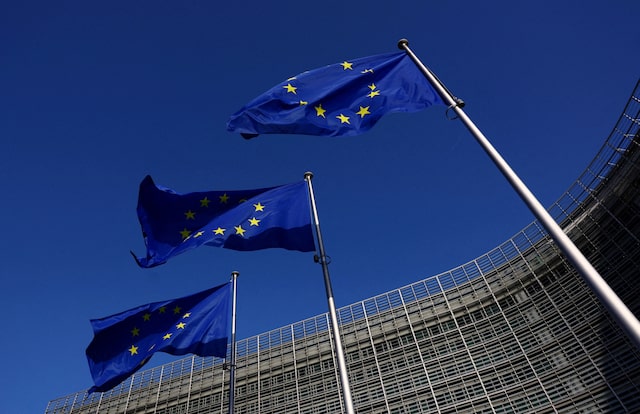
The European Commission wants to let countries unleash more public money to help businesses with fuel and fertiliser bills, it said on Monday, as governments race to offset the economic shock from soaring prices triggered by the Iran war.
Oil prices jumped about 6% to more than $100 a barrel on Monday after the U.S. military said it will blockade ships leaving Iran's ports, raising fears of prolonged disruptions to oil and gas shipments, News.Az reports, citing Reuters.
RECOMMENDED STORIES
As part of a broader package of measures Brussels is preparing to respond to the energy price spike, the Commission on Monday proposed changing EU state aid rules to allow more public spending for industries hit acutely by fuel price increases, including agriculture, road transport and shipping within Europe.
The changes would let governments cover part of the price increase companies have paid for their fuel or fertilisers, versus prices before the U.S.-Israeli war with Iran began on February 28.
The draft EU plan would also increase, to above 50%, the maximum share of aid that energy-intensive industries can receive to help pay their power bills.
European governments including Germany, Italy, Poland and Hungary have already introduced a raft of funding measures including fuel price caps and tax cuts, to try to contain the Iran war's economic fallout.
Governments will give feedback on the EU proposals, before the Commission plans to adopt a final version by the end of the month.
The proposed changes would be temporary, introduced specifically to address the energy fallout of the Iran war.
The Commission vets national governments' state aid to check that it does not distort competition in the EU single market.
By Faig Mahmudov


Similar news