EU-US trade deal faces critical Strasbourg deadline amid tariff tensions


European Union governments and the European Parliament are holding high-stakes talks in Strasbourg over the implementation of the EU-US trade deal, as pressure mounts from the United States and a looming tariff deadline set by Donald Trump.
Lawmakers and diplomats are discussing the agreement, which aims to reduce EU tariffs on US goods to zero while capping US tariffs on European products at 15 percent, with negotiations intensifying ahead of a 4 July deadline set by the US president, News.Az reports, citing Euro News.
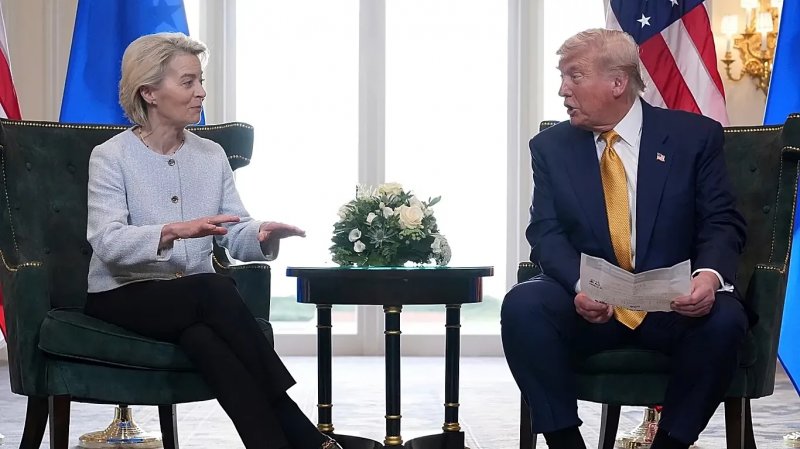
Trump has warned the EU of higher tariffs, including on cars, if the agreement is not implemented on time following talks with European Commission President Ursula von der Leyen.
RECOMMENDED STORIES
The European Parliament and member states have already reached a provisional understanding to allow suspension of the deal in case of market disruption caused by a surge in US imports, but several key provisions remain unresolved.
One of the main points of disagreement is the so-called “sunrise clause,” which determines when the agreement would take effect. The Parliament wants implementation only after the US fully applies the 15 percent tariff cap, while the Commission and some member states prefer immediate application.
MEPs have also pushed for a mechanism allowing suspension of the deal in case of threats to EU territorial integrity, a proposal opposed by the European Commission, while discussions continue over whether the agreement should expire in March 2028.
Within the Parliament, divisions persist among the centrist coalition of the European People’s Party, Socialists and Democrats, and Renew Europe, with some prioritising rapid adoption to ensure economic stability while others demand stricter safeguards.
Lead negotiator Bernd Lange has insisted that EU legislation should not be influenced by external political pressure, while EPP representatives argue that swift agreement is necessary to provide stability and predictability for European industry.
By Leyla Şirinova


Similar news