Europa League final in Istanbul becomes a symbol of football’s changing power dynamics


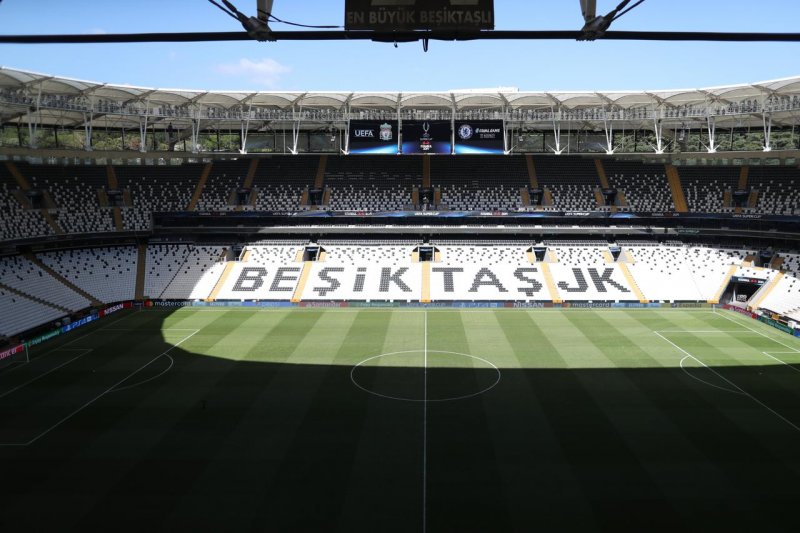
The UEFA Europa League final between Freiburg and Aston Villa in Istanbul is drawing attention far beyond football itself, with analysts describing the match as a reflection of wider transformations taking place across European sports, global finance, urban branding, and international soft power.
The final, taking place at Beşiktaş Park Stadium on May 20, is not only one of the biggest sporting events of the year, but also a showcase of how football increasingly intersects with economics, geopolitics, media influence, and global identity, News.az reports.
RECOMMENDED STORIES
For both clubs, the final represents a historic opportunity. Freiburg is aiming to complete one of the most remarkable underdog stories in modern European football, while Aston Villa seeks to reestablish itself among Europe’s elite after years outside the continent’s top competitions.
At the same time, Türkiye’s hosting of the final highlights Istanbul’s growing role as a global sports diplomacy hub capable of attracting major international events.
Why is the Europa League final attracting so much attention?
The Europa League final is attracting global attention because it combines several compelling narratives at once.
On the sporting side, both Freiburg and Aston Villa exceeded expectations to reach the final, creating an unusual matchup compared with traditional European giants that often dominate continental competitions.
The game also carries major financial and sporting consequences. The winner secures a trophy, a place in the UEFA Super Cup, and qualification for next season’s UEFA Champions League if not already qualified through domestic league performance.
Beyond football, the final reflects larger trends shaping European sports, including financial inequality, changing ownership structures, tactical innovation, fan culture, and the growing geopolitical significance of hosting major sporting events.
Why is Freiburg’s journey considered remarkable?
Freiburg is widely viewed as one of the best examples of sustainable football development in Europe.
Unlike many top clubs backed by billionaires, sovereign wealth funds, or massive commercial networks, Freiburg built its success gradually through disciplined financial management, youth development, strong scouting systems, and long-term planning.
The German club operates with a significantly smaller budget than most major European competitors.
Its rise therefore challenges assumptions that only financially dominant clubs can succeed at the highest levels of European football.
Freiburg’s progress has earned admiration among fans who believe modern football has become overly commercialized and financially unequal.
Why is Aston Villa’s return significant?
Aston Villa’s appearance in the final represents one of the most notable revivals in recent English football history.
The club, once one of England’s traditional powers, experienced years of decline, including relegation from the Premier League. However, new ownership, strategic investment, improved recruitment, and managerial stability helped restore competitiveness.
Villa’s resurgence also reflects the enormous financial strength of the Premier League, which continues to dominate European football economically.
Even clubs outside England’s traditional “big six” now possess financial resources capable of competing internationally due to massive broadcasting revenues and global commercial exposure.
The final therefore symbolizes both sporting recovery and the growing economic dominance of English football.
Why is Istanbul an important host city for the final?
Istanbul occupies a unique position between Europe and Asia and has increasingly used international sporting events to strengthen its global profile.
Hosting the Europa League final allows Türkiye to promote tourism, infrastructure, international visibility, and soft power on a global stage.
Major sporting events generate worldwide media attention and project images of modernity, connectivity, and organizational capacity.
Türkiye has invested heavily in sports infrastructure over the past two decades and repeatedly positioned itself as a candidate for large-scale international events.
The final also reinforces Istanbul’s identity as one of the world’s most passionate football cities, where the sport plays a central role in cultural and social life.
How important is football economically today?
Football has evolved into one of the world’s largest entertainment industries.
European football generates billions of dollars annually through broadcasting rights, sponsorships, ticket sales, merchandise, tourism, and digital media.
Major finals such as the Europa League attract enormous global audiences and significant commercial activity.
The Premier League alone generates massive international revenues, helping English clubs maintain financial advantages over many continental rivals.
At the same time, UEFA competitions provide smaller clubs with transformative financial opportunities through prize money, sponsorship exposure, and international visibility.
For clubs like Freiburg, a deep European run can significantly strengthen long-term financial stability.
How has European football changed in recent years?
European football has undergone dramatic transformation over the past two decades.
Global broadcasting deals, foreign ownership, data analytics, digital media, and commercialization reshaped the sport’s financial and competitive landscape.
Elite clubs increasingly operate as global entertainment brands with international fan bases and corporate partnerships.
At the same time, financial inequality between clubs widened significantly. Wealthier clubs gained increasing advantages in player recruitment, infrastructure, and commercial revenue generation.
This created ongoing debate about competitive balance, sustainability, and the future identity of football.
The Freiburg story resonates strongly because it offers an alternative model based on stability, youth development, and community identity rather than extreme spending.
Why is the Premier League so dominant financially?
The Premier League’s financial power comes primarily from broadcasting revenues and global marketability.
English football benefits from massive international television deals that distribute large amounts of money even to mid-table clubs.
The league also attracts global sponsorships, international audiences, and wealthy investors at an unmatched scale.
As a result, English clubs possess far greater spending capacity than most competitors across Europe.
This financial strength increasingly influences UEFA competitions, where Premier League clubs regularly reach advanced stages.
Critics argue that the growing economic gap threatens competitive diversity in European football.
What role does ownership play in modern football?
Ownership structures have become one of the defining issues in contemporary football.
Many clubs are now controlled by billionaires, investment groups, or sovereign wealth funds seeking commercial expansion, prestige, or geopolitical influence.
Some supporters believe this investment improves competitiveness and infrastructure.
Others worry that excessive commercialization weakens local identity and transforms clubs into global business assets disconnected from traditional fan culture.
Freiburg represents a contrasting model focused more heavily on institutional continuity and sustainable management.
Aston Villa, meanwhile, reflects how modern investment can revive historic clubs and accelerate competitive recovery.
Could this final influence future club strategies?
Potentially, yes.
Freiburg’s success may encourage other clubs to invest more heavily in scouting, youth academies, analytics, and sustainable planning rather than relying exclusively on expensive transfers.
However, financial realities still make it difficult for smaller clubs to consistently compete with Europe’s wealthiest teams.
Aston Villa’s rise demonstrates how strategic investment combined with strong management can rapidly transform a club’s trajectory.
Both finalists therefore offer different but influential models for modern football development.
How important is the Europa League compared to the Champions League?
The Europa League is considered Europe’s second-tier continental competition behind the UEFA Champions League, but its importance has grown significantly.
Winning the tournament provides prestige, financial rewards, and direct qualification to the Champions League.
For clubs outside Europe’s traditional elite, the Europa League often represents a more realistic opportunity to win a major continental trophy.
The competition also provides valuable international exposure and revenue generation.
In many cases, Europa League success can accelerate a club’s long-term sporting and financial development.
What role does fan culture play in this final?
Fan culture remains central to European football identity.
Both Freiburg and Aston Villa possess deeply loyal supporter bases with strong local traditions.
European football finals often become cultural events extending beyond sport itself, involving travel, community identity, emotional connection, and regional pride.
Istanbul’s atmosphere is expected to intensify the spectacle further due to the city’s famous football culture.
At the same time, commercialization, rising ticket prices, and globalization continue generating debate about accessibility and the preservation of traditional supporter culture.
How does football intersect with geopolitics today?
Football increasingly intersects with geopolitics through ownership structures, sponsorships, hosting rights, broadcasting influence, and international branding.
Countries frequently use major sporting events to enhance international visibility and soft power.
Sports diplomacy has become an important tool for governments seeking tourism growth, investment attraction, and global prestige.
At the same time, football organizations face growing pressure related to human rights, political influence, financial transparency, and governance standards.
The Istanbul final therefore exists within a broader context where sport and international politics increasingly overlap.
Could Freiburg’s model survive in the modern game long term?
This remains one of the biggest questions in European football.
Sustainable clubs can achieve success through strong planning and intelligent recruitment, but maintaining competitiveness against financially dominant rivals remains extremely difficult.
Many analysts worry that football’s financial structure increasingly rewards scale, global branding, and investor wealth over traditional sporting development.
However, Freiburg’s success demonstrates that alternative models remain possible, at least periodically.
Their journey has therefore become symbolic for many supporters concerned about the direction of modern football.
What does this final reveal about European football today?
The Europa League final reflects several major realities shaping modern football simultaneously.
It highlights the enormous financial power of English football, the continuing appeal of underdog success stories, and the growing role of strategic investment in club development.
It also demonstrates how football has become deeply interconnected with global economics, media industries, urban branding, tourism, and geopolitical influence.
For Istanbul, the final reinforces the city’s role as an international sporting center.
For Freiburg and Aston Villa, it represents both sporting opportunity and broader symbolic significance within Europe’s changing football landscape.
Ultimately, the match is about far more than a trophy. It reflects the evolving identity of football itself in an era where sport, business, politics, and global culture are increasingly impossible to separate.
By Faig Mahmudov


Similar news