Why did Bolivia expel Colombia’s ambassador over sovereignty concerns?


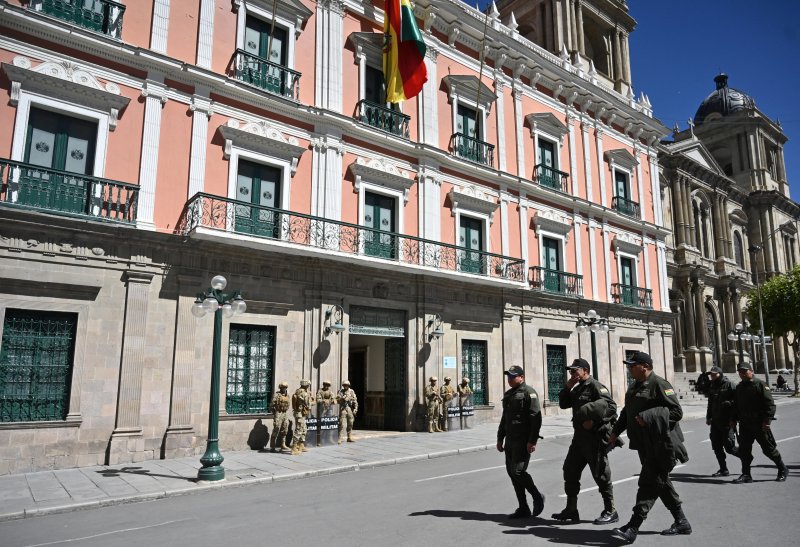
Bolivia has announced the expulsion of Colombia’s ambassador following a diplomatic dispute centered on sovereignty, political interference, and disagreements over regional affairs.
The move has triggered fresh tensions in Latin America at a time when several governments across the region are already navigating ideological divisions, domestic instability, and shifting geopolitical alliances.
The decision marks one of the sharpest diplomatic escalations between the two South American countries in recent years and raises questions about regional diplomacy, bilateral trade, migration cooperation, and the future of political relations in Latin America.
What exactly happened?
Bolivia ordered the expulsion of Colombia’s ambassador after accusing Bogotá of actions and statements that allegedly violated Bolivia’s sovereignty and interfered in its internal affairs.
Bolivian authorities said the ambassador’s conduct crossed diplomatic boundaries and undermined the principles of mutual respect between sovereign states. The government reportedly delivered a formal diplomatic notification declaring the envoy “persona non grata,” a legal mechanism used under international diplomacy to expel foreign diplomats.
The ambassador was given a deadline to leave the country.
The move immediately escalated tensions between La Paz and Bogotá and prompted responses from political figures, analysts, and regional organizations.
What does “persona non grata” mean?
“Persona non grata” is a diplomatic term used when a host country formally rejects a foreign diplomat.
Under the Vienna Convention on Diplomatic Relations, a country has the right to declare any foreign diplomat unwelcome without necessarily providing detailed justification.
Once declared persona non grata, the diplomat usually must leave the country within a specified period. If the diplomat refuses, the host state can revoke diplomatic recognition.
This mechanism is one of the strongest diplomatic protests short of cutting relations entirely.
Why did Bolivia accuse Colombia of violating sovereignty?
Bolivia argues that comments and actions linked to the Colombian diplomatic mission amounted to interference in domestic political matters.
Although governments often avoid revealing every detail of such disputes, sovereignty complaints generally emerge when one country believes another is attempting to influence internal political debates, elections, protests, judicial matters, or security issues.
Bolivian officials reportedly viewed the ambassador’s behavior as incompatible with diplomatic norms and accused Colombia of disrespecting Bolivia’s political independence.
The phrase “defending sovereignty” has become increasingly important in Latin American political discourse, especially among governments sensitive to foreign influence.
What was Colombia’s response?
Colombia expressed concern over the decision and rejected allegations of interference.
Officials in Bogotá defended their diplomatic conduct and emphasized the importance of dialogue and regional cooperation. Colombian authorities also signaled that they would evaluate possible reciprocal measures.
In diplomatic disputes, countries often respond symmetrically, meaning Colombia could expel a Bolivian diplomat in return or downgrade diplomatic engagement.
However, Colombian officials also indicated interest in avoiding a deeper rupture.
Are Bolivia and Colombia political allies?
Historically, relations between Bolivia and Colombia have fluctuated depending on the ideological orientation of their governments.
Latin America has long experienced cycles of political alignment and division between left wing, center left, conservative, and populist administrations. Changes in leadership often reshape regional alliances.
Bolivia under its current political leadership has strongly emphasized sovereignty, anti intervention principles, and regional autonomy.
Colombia’s political direction has also evolved significantly in recent years, particularly under left leaning leadership. However, despite some ideological overlap, tensions can still emerge over security policy, regional diplomacy, migration, or political statements.
The latest dispute demonstrates that ideological similarities do not automatically guarantee stable diplomatic relations.
Why is sovereignty such a sensitive issue in Latin America?
Sovereignty carries enormous historical and political significance across Latin America because of the region’s long history of foreign intervention, military involvement, colonialism, and geopolitical competition.
Many governments in the region remain highly sensitive to perceived external interference.
Issues commonly linked to sovereignty disputes include electoral processes, human rights criticism, security cooperation, indigenous rights, energy and natural resources, military agreements, foreign intelligence activity, media influence, and cross border political activism.
As a result, even public comments by diplomats can sometimes trigger major controversies.
Could this damage Bolivia and Colombia’s bilateral relations?
Yes. Diplomatic expulsions often create long lasting political distrust.
Potential consequences may include reduced diplomatic communication, delays in bilateral agreements, trade complications, security coordination problems, reduced cooperation on migration and border issues, and political retaliation measures.
However, diplomatic expulsions do not automatically mean relations will collapse entirely. Countries often continue maintaining embassies and consular operations even during periods of tension.
In many cases, relations eventually stabilize through negotiations or leadership changes.
How important are economic ties between Bolivia and Colombia?
Bolivia and Colombia maintain economic relations through regional trade structures and bilateral agreements, although they are not among each other’s largest trading partners.
Areas of cooperation include agricultural trade, energy discussions, manufacturing, regional transport, and multilateral economic coordination.
Both countries also participate in broader Latin American and South American diplomatic mechanisms.
Political tensions can affect investor confidence and slow cooperation projects, especially if the dispute escalates.
Could this affect regional organizations?
Potentially yes.
Latin America relies heavily on regional dialogue mechanisms to manage disputes and promote integration. Diplomatic tensions between member states can complicate cooperation inside regional blocs and organizations.
The dispute may influence discussions within the Community of Latin American and Caribbean States, the Organization of American States, and regional trade and development forums.
Regional actors may quietly encourage both governments to de escalate tensions to avoid broader fragmentation.
Have similar expulsions happened before in Latin America?
Yes. Diplomatic expulsions are relatively common in Latin American politics.
Over the past two decades, multiple governments in the region have expelled ambassadors or recalled envoys during disputes involving election controversies, human rights accusations, intelligence allegations, ideological disagreements, security operations, border tensions, and political statements.
Countries including Venezuela, Mexico, Peru, Ecuador, Argentina, Nicaragua, and Bolivia itself have experienced diplomatic crises involving expulsions or ambassador recalls.
In most cases, relations eventually resume, though sometimes after months or years of strained engagement.
Could the crisis escalate further?
That depends on the actions of both governments.
Potential escalation scenarios include reciprocal expulsions, downgrading relations, economic retaliation, and deeper regional polarization.
At the same time, both countries may seek quiet negotiations to prevent a broader diplomatic breakdown.
How do diplomatic disputes usually get resolved?
Diplomatic crises are often managed through behind the scenes negotiations, third party mediation, regional diplomatic forums, presidential meetings, foreign ministry talks, and public clarification statements.
Sometimes tensions fade gradually without a formal agreement. In other cases, governments negotiate specific commitments to avoid future disputes.
Leadership changes can also reset strained bilateral relations.
Why does this matter internationally?
The dispute highlights broader geopolitical dynamics unfolding across Latin America.
The region is currently facing multiple overlapping pressures including political polarization, economic instability, migration pressures, energy transition debates, organized crime challenges, competition between global powers, and domestic governance tensions.
Diplomatic conflicts between regional governments can complicate cooperation on these broader issues.
International observers are watching whether Latin American governments can maintain regional coordination despite political differences.
What happens next?
Several possible outcomes are now being closely monitored including whether Colombia responds with reciprocal measures, whether both countries continue diplomatic dialogue, whether regional organizations intervene informally, whether trade and cooperation projects are affected, and whether tensions calm after initial political reactions.
Much will depend on future statements by both governments and whether political leaders prioritize escalation or reconciliation.
For now, the expulsion underscores how quickly sovereignty disputes can evolve into full scale diplomatic confrontations in Latin America.
By Faig Mahmudov


Similar news