European markets plunge


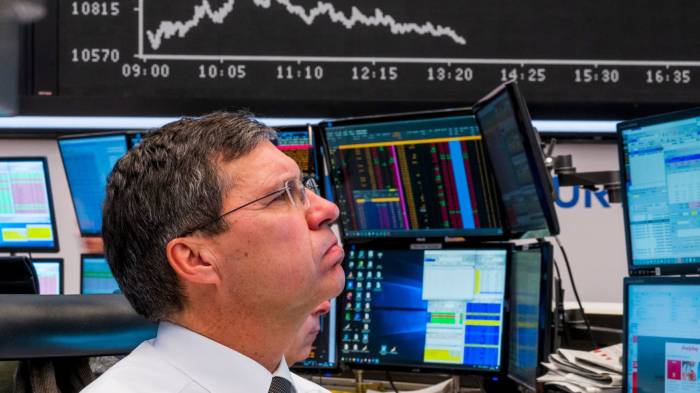
European markets began the week with a sharp decline, reflecting global economic concerns and growing negative sentiment following a plunge in Asian stock markets. On Monday, France's CAC 40 and Germany's DAX fell by 2.78% and 2.84%, respectively, while the UK’s FTSE 100 decreased by 2.19%, according to Euronews.
Despite the pessimistic market sentiment, the euro strengthened against major global currencies as investors view it as a safe-haven asset. The EUR/USD pair rose by 2% since last Friday, demonstrating the resilience of the European currency amid economic instability.Japanese stock markets also faced pressure, recording significant losses of up to 10% on Monday. This decline followed the Bank of Japan's recent interest rate hike, which caused the Japanese yen to rise to its highest level since January 3.
Global markets are experiencing panic selling due to weak economic data from the United States, where the Federal Reserve has yet to show a willingness to lower interest rates. Investors are concerned that the Fed's slow easing of monetary policy could lead to an economic recession. On Wall Street, futures for the three main indexes have sharply declined, particularly Nasdaq futures, which have dropped by 5%.
In the face of instability, investors are turning to safer assets such as gold, the Japanese yen, the euro, and government bonds. The CBOE Volatility Index (VIX), known as the "fear index," surged by 26% to exceed 23, marking the highest level since March 2023.
These events indicate ongoing turbulence in global markets and highlight the need for investors to adapt to rapidly changing economic conditions.


Similar news