To reverse this downward trajectory, HRW called on Greek authorities to adopt binding anti-SLAPP legislation to deter frivolous lawsuits, guarantee the editorial independence of public media, and implement strong legal safeguards against the surveillance of journalists and their sources. The organization further urged the European Union (EU), the Organization for Security and Co-operation in Europe (OSCE), and the UN Human Rights Committee to press Athens for concrete reforms and to monitor compliance with Greece’s obligations under EU law and international human-rights treaties. The rights group warned that if these issues remain unaddressed, these developments risk entrenching a media landscape in which critical voices are silenced and the public’s right to information is imperiled.
Greece's media freedom crisis sparks global concern
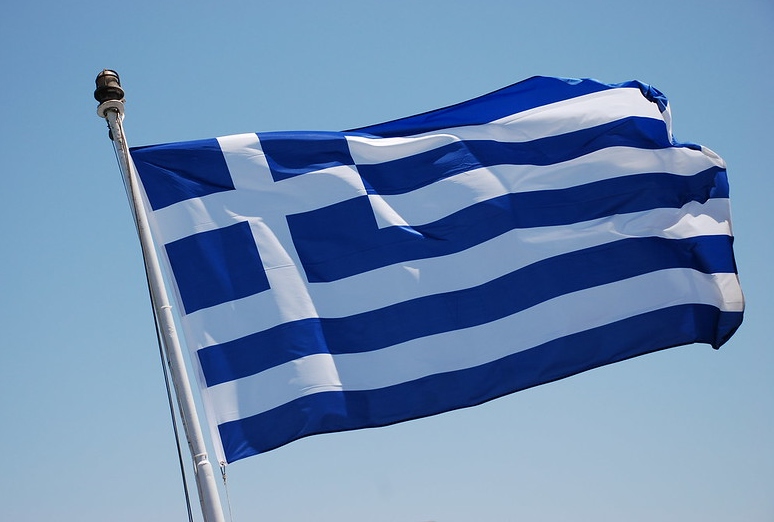
Photo credit: greeknewsagenda.gr
Human Rights Watch (HRW) published a report on Thursday highlighting the gradual decline of press freedom in Greece since the New Democracy party took office in July 2019. The report, based on interviews with 34 journalists, academics, legal experts, and civil society leaders, outlines various methods employed to intimidate and suppress critical journalism.
The report, titled “From Bad to Worse: The Deterioration of Media Freedom in Greece,” highlighted the deployment of Predator spyware against newsroom computers and smartphones, coordinated online harassment campaigns targeting investigative journalists, and the strategic filing of lawsuits against public participation (SLAPPs) under Greece’s defamation and data-protection laws, News.Az reports citing foreign media.
HRW also found that state advertising funds have been disproportionately allocated to pro-government outlets, while the Hellenic Broadcasting Corporation (ERT) continues to suffer overt editorial interference. The rights group warned that this convergence of political and economic control over key media channels undermines pluralism and the public’s right to diverse information.
Athens has robustly defended its record, pointing to the European Commission’s 2024 Rule of Law Report and recent steps to decriminalize certain defamation offences. Prime Minister Kyriakos Mitsotakis has dismissed these criticisms, insisting that “Greece’s rule of law is stronger than ever” and accusing detractors of slander. Despite partial reforms, Greek defamation laws still include criminal penalties for “insult” and “slanderous defamation,” and authorities routinely invoke “national security” to restrict access to information on surveillance and state advertising allocations.
Reporters Without Borders ranked Greece 89 out of 180 countries in its 2025 World Press Freedom Index, stating that “[p]ress freedom [in the country] has suffered a systemic crisis since 2021.” In February 2024, the European Parliament also adopted a resolution expressing serious concerns about media suppression and democratic backsliding in Greece.


Similar news