How extreme cold conditions pushed Punjab to extend school holidays


Punjab, one of the most searched and discussed terms on January 7, 2026, remains at the centre of several major developments ranging from weather disruptions and public safety actions to governance debates and social issues, News.Az reports
The state is currently coping with an intense cold wave and dense fog that have affected daily life, education, transportation, and health services, while authorities continue to respond with policy measures and administrative actions.
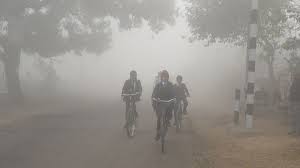
The most immediate development is the extension of winter holidays for all schools across Punjab. The state government announced that winter vacations will continue until January 13, 2026, due to persistent severe cold conditions and dense fog that have created hazardous travel conditions and disrupted normal routines. This order applies to all government, aided, recognised, and private schools across the state, with academic activities expected to resume on January 14.
Officials emphasised that the safety and well-being of students and teaching staff remain the primary priority behind the decision. Meteorological reports indicate that dense to very dense fog and low morning temperatures are likely to continue over the coming days. These conditions reduce visibility on roads and pose health risks, particularly for school-age children travelling during early morning hours, prompting the government to exercise caution.
This is the second extension of the winter break. The government had earlier ordered schools to remain closed through January 7 after the cold wave intensified. Parents and teachers have responded with both relief and concern: relief that children are being protected from the harsh weather, and concern about extended academic disruption. Schools have been asked to keep parents informed and prepare for a smooth reopening once conditions improve.
Health authorities have also issued advisories urging people to take precautions, especially the elderly, infants, and those with chronic respiratory or cardiac problems. Doctors have warned of a possible increase in cold-related illnesses and urged residents to keep warm, avoid early-morning exposure, and seek timely treatment if symptoms worsen. Hospitals have been alerted to ensure adequate staffing and supplies during the peak winter period.
At the same time, Punjab is facing continuing attention to law and order issues. Reports indicate that several murders have taken place since the beginning of the new year, generating political debate and public anxiety. Police officials stated that many incidents resulted from personal disputes and that arrests have been made in most cases. Senior officers stressed that law and order remain under control, but opposition representatives have claimed that crime levels reflect deeper governance concerns.
This debate intensified when the Leader of the Opposition publicly called for the resignation of Chief Minister Bhagwant Mann, alleging a deterioration in law and order. He argued that rising violent incidents had shaken public confidence. The government, however, maintains that police action remains swift and effective, and that crime statistics must be viewed in context.
Law enforcement agencies continue to conduct major operations across the state. In one significant anti-narcotics action, police recovered a large quantity of heroin and arrested several people believed to be linked to cross-border drug trafficking networks. Investigations are ongoing to trace the wider supply chain and connections to handlers outside India. In another development, a gangster allegedly involved in the murder of a village head was reported killed in a police encounter, as authorities intensify efforts against organised crime.
Beyond policing and weather-related measures, the Punjab government has issued administrative guidelines affecting public sector employees. New instructions on pay re-fixation for government staff recruited after July 17, 2020, were issued in compliance with court directives. The move aims to correct salary structures and ensure timely payment of arrears, reflecting the administration’s effort to align compensation systems with legal rulings.
Public transport authorities also launched road-safety initiatives as part of National Road Safety Month. Drivers employed by Punjab Roadways participated in vision screening programmes designed to improve safety standards and emphasise the importance of health monitoring for those operating passenger vehicles.
In the health sector, the state government has begun implementing measures to secure public institutions from stray dog threats following national-level directives. Schools, hospitals, and transport hubs have been identified as priority zones. Plans include installing protective barriers, appointing nodal officers for oversight, and ensuring sterilisation and vaccination of stray animals relocated from sensitive premises. Hospitals have been instructed to maintain sufficient stocks of anti-rabies vaccines and related medical supplies.
Amid these developments, stories of community support continue to emerge. Social media users widely shared a video showing an elderly Sikh man at Barnala railway station quietly distributing free food and water to passengers waiting in the severe cold. Many praised the act as an example of Punjab’s deep-rooted culture of compassion and service during difficult times.
Cultural and sporting life continues despite the cold conditions. The 69th National School Games opened in Ludhiana with traditional performances and enthusiastic participation from students across India. The event includes martial arts and other disciplines, highlighting the state’s ongoing investment in youth development through sports.
Meanwhile, daily life in Punjab remains heavily influenced by the cold wave. Dense fog has slowed rail and road traffic, forcing passengers to endure long delays. Farmers have expressed concern over potential effects on crops, although agricultural experts note that certain winter crops can tolerate low temperatures if the cold period does not persist excessively. Power consumption has risen as households rely on heating devices, prompting utilities to monitor grid capacity closely.
Local administrations across districts have activated winter-response measures, including setting up night shelters, distributing blankets to homeless residents, and increasing patrolling to identify people vulnerable to cold exposure. Civic bodies are coordinating with charities and relief organisations to minimise winter-related hardship.
Looking ahead, officials will reassess the weather situation over the coming days to determine whether additional public-safety measures are needed. Education authorities are also assessing how to adjust the academic calendar to compensate for lost teaching time once schools reopen. The government continues to emphasise that the protection of human life remains central to policy-making during the ongoing cold wave.
Today’s developments, which have driven a surge in public interest and online searches related to Punjab, reflect a state managing multiple priorities simultaneously: protecting students and residents from severe weather, responding to law and order concerns, implementing administrative reforms, and supporting community welfare. As winter conditions persist, the coming days will determine how long extraordinary measures must remain in place and how quickly normal life in Punjab can resume.


Similar news