How far can one go in an EV


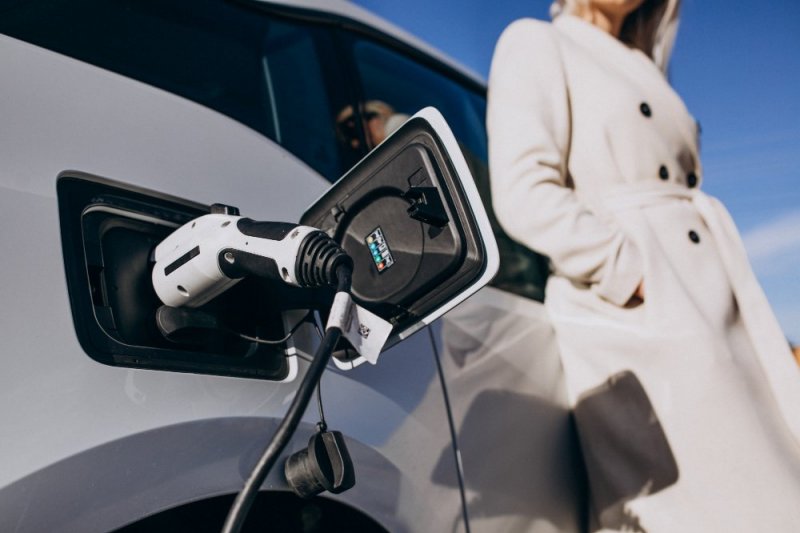
Electric vehicles have moved from niche products to mainstream transportation in less than a decade, but one question continues to dominate consumer curiosity and industry debate: how far can one actually go in an EV on a single charge?
The answer is not a single number. It depends on technology, driving conditions, vehicle type, and even driver behavior. Yet, behind that variability lies a clear trend. Range is improving rapidly, and for many drivers, it is no longer a limiting factor.
RECOMMENDED STORIES
This explainer breaks down the real world range of electric vehicles, what affects it, and how far you can realistically expect to travel.
What is EV range and how is it measured
EV range refers to the distance a vehicle can travel on a fully charged battery. Manufacturers typically publish official figures based on standardized testing cycles such as WLTP in Europe or EPA ratings in the United States.
These tests are conducted under controlled conditions, meaning they often represent optimal scenarios. Real world driving can produce different results depending on speed, terrain, weather, and usage patterns.
For example, a vehicle rated for 500 kilometers under WLTP might deliver closer to 400 kilometers in mixed real world conditions.
How far can modern electric vehicles actually go
Today’s EVs cover a wide range of capabilities:
Small city EVs typically offer between 200 and 350 kilometers per charge. These are designed for urban commuting and short trips.
Mid range EVs, including many popular models, usually provide between 350 and 500 kilometers. This category now represents the bulk of the market.
Long range EVs, often higher end models, can exceed 600 kilometers on a single charge under ideal conditions.
Some premium vehicles are approaching or surpassing 700 kilometers, although real world figures tend to be slightly lower.
In practical terms, most drivers can complete several days of normal commuting without needing to recharge.
What factors affect EV range
Range is influenced by multiple variables, many of which drivers can control.
Speed is one of the most significant factors. Higher speeds increase aerodynamic drag, which reduces efficiency and shortens range.
Driving style also matters. Aggressive acceleration and braking consume more energy compared to smooth, steady driving.
Temperature plays a major role. Cold weather can reduce battery efficiency and increase energy consumption due to heating systems. Hot weather can also affect performance, although usually to a lesser extent.
Terrain is another factor. Driving uphill consumes more energy, while regenerative braking can recover some energy when going downhill.
Vehicle load, including passengers and cargo, adds weight and reduces efficiency.
Use of auxiliary systems such as air conditioning or heating also impacts range.
How does charging infrastructure influence usable range
Range is only part of the equation. Charging infrastructure determines how practical that range is.
In regions with dense charging networks, drivers can comfortably take longer trips, knowing they can recharge along the way.
Fast charging technology has significantly reduced charging times. Many modern EVs can add hundreds of kilometers of range in 20 to 30 minutes at high speed charging stations.
This means that even vehicles with moderate range can be used for long distance travel with proper planning.
What is range anxiety and is it still relevant
Range anxiety refers to the fear that an EV will run out of charge before reaching a destination or charging point.
This was a major concern in the early days of electric vehicles, when ranges were limited and charging infrastructure was sparse.
Today, the relevance of range anxiety is declining. Improved battery technology, longer ranges, and better charging networks have made EVs more practical for everyday use.
However, it can still be a factor in regions with limited infrastructure or for drivers who frequently travel long distances.
How do EVs compare to petrol vehicles in range
Traditional petrol vehicles often have ranges between 500 and 800 kilometers per tank, depending on efficiency and tank size.
Modern EVs are now approaching similar figures, especially in the long range category.
The key difference lies in refueling time. Petrol vehicles can be refueled in minutes, while EVs require more time to recharge.
That said, the convenience of home charging allows EV owners to start each day with a full battery, which changes the overall experience.
How is battery technology improving EV range
Battery technology is at the core of EV development. Advances in energy density, materials, and thermal management are steadily increasing range.
New battery chemistries, including solid state batteries, promise higher capacity, faster charging, and improved safety.
Manufacturers are also improving software systems that optimize energy use, further extending range without increasing battery size.
As these technologies mature, the gap between EVs and traditional vehicles is expected to narrow even further.
What role does regenerative braking play
Regenerative braking allows EVs to recover energy that would otherwise be lost during braking.
When the driver slows down, the electric motor acts as a generator, converting kinetic energy back into electricity and storing it in the battery.
This feature can significantly improve efficiency, especially in urban driving conditions with frequent stops.
How far can you go on a long trip in an EV
Long distance travel in an EV depends on planning and charging availability.
A typical long range EV might travel 400 to 500 kilometers before needing a recharge. With fast charging, drivers can take breaks every few hours to recharge and continue their journey.
In practice, this aligns with recommended rest intervals for safe driving, making EV travel comparable to traditional road trips.
Route planning tools and in car navigation systems can help identify charging stations and optimize travel time.
What are the cost implications of EV range
Higher range often comes with higher battery capacity, which increases vehicle cost.
However, operating costs for EVs are generally lower than for petrol vehicles due to cheaper electricity and lower maintenance requirements.
Over time, the total cost of ownership can be competitive or even lower, depending on usage patterns and local energy prices.
Are there trade offs between range and efficiency
Yes, increasing range usually requires larger batteries, which add weight and can reduce efficiency.
Manufacturers must balance battery size, vehicle weight, and aerodynamics to achieve optimal performance.
Some vehicles prioritize efficiency over maximum range, offering lighter designs and lower energy consumption.
What should buyers consider when choosing an EV based on range
Buyers should consider their daily driving habits and typical distances.
For urban commuting, a smaller range may be sufficient and more cost effective.
For frequent long distance travel, a higher range and access to fast charging infrastructure become more important.
It is also important to consider seasonal variations, as range can fluctuate depending on weather conditions.
What does the future hold for EV range
The trajectory of EV technology suggests continued improvements in range and charging speed.
As battery costs decline and infrastructure expands, EVs are expected to become even more accessible and practical.
Innovations such as wireless charging, ultra fast chargers, and advanced energy management systems could further transform the driving experience.
Conclusion
The question of how far one can go in an EV no longer has a simple answer, but it is increasingly reassuring.
For most drivers, modern electric vehicles offer sufficient range for daily use and even long distance travel. While challenges remain, particularly in infrastructure and charging speed, the gap between EVs and traditional vehicles is closing rapidly.
Range, once the biggest limitation of electric mobility, is steadily becoming one of its strengths.
By Faig Mahmudov


Similar news