How the media can distinguish a real threat from a fake


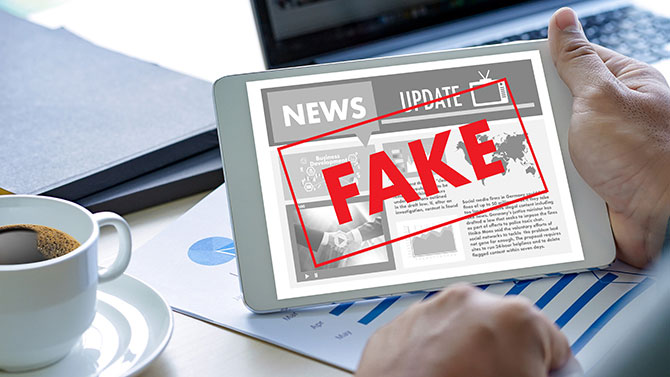
In an era defined by instant communication, social media virality, and information warfare, the ability of the media to distinguish a real threat from a fake one has become a matter of public safety, News.Az reports.
False alarms can cause panic, economic disruption, and loss of trust, while failure to recognize genuine threats can leave societies unprepared and vulnerable. For journalists and editors, the challenge is no longer just speed versus accuracy, but credibility versus chaos.
This evergreen analysis outlines how the media can systematically assess threats, avoid amplifying misinformation, and responsibly inform the public.
Understanding what constitutes a “real threat”
A real threat is not defined by how frightening it sounds, but by credible indicators that harm is plausible and imminent or systemic. These indicators may include verified intelligence, expert assessments, observable events, or official warnings grounded in evidence.
By contrast, fake threats often rely on emotional language, anonymous sources, dramatic visuals without context, or claims that cannot be independently verified. They may be deliberately fabricated or emerge from misinterpretation, rumor, or speculation.
The first step for the media is to shift focus from emotional impact to evidentiary substance.
Source credibility is the primary filter
The most effective tool for distinguishing real threats from fake ones is rigorous source evaluation.
Credible threats are usually confirmed or acknowledged by multiple independent sources with institutional accountability. These may include government agencies, recognized scientific bodies, emergency services, or established international organizations.
Fake threats often originate from single sources, anonymous accounts, or individuals without relevant expertise. Even when they appear to come from “insiders,” the absence of verifiable credentials or institutional backing should trigger caution.
Journalists should always ask: who is making this claim, why are they making it, and what consequences do they face if it is false?
Independent verification before amplification
Speed is often treated as the defining value of modern media, but in threat reporting, speed without verification is dangerous.
Real threats tend to produce corroborating signals. Multiple outlets confirm similar facts. Authorities respond. Experts comment within their field of competence. Data, images, or documents can be cross-checked.
Fake threats collapse under scrutiny. Details change, timelines conflict, or evidence cannot be reproduced. Media organizations must resist the urge to publish first and correct later, especially when public fear is at stake.
Verification is not delay. It is protection.
Context separates danger from distortion
Threats do not exist in a vacuum. Context is essential to accurate interpretation.
For example, a technical incident may sound alarming but pose limited risk when placed in operational or scientific context. Conversely, routine language in official reports may conceal serious implications if not properly explained.
Media professionals should consult subject-matter experts who can interpret data, probabilities, and consequences. Without context, even true information can become misleading.
Fake threats often strip away context to maximize shock value. Restoring context is one of the most powerful tools against misinformation.
Language discipline reduces panic
The words chosen by the media shape public perception. Sensational language can turn minor incidents into perceived disasters.
Real threat reporting relies on precise, restrained language. It distinguishes between “confirmed,” “suspected,” and “unverified.” It avoids absolutes when uncertainty exists.
Fake threats thrive on exaggeration, emotionally charged terms, and dramatic framing. Media outlets that adopt such language risk becoming vectors of fear rather than sources of clarity.
Editorial discipline in language is a core element of threat differentiation.
Visual evidence must be treated with skepticism
Images and videos carry enormous persuasive power, but they are also easily manipulated or misrepresented.
A real threat may be accompanied by authentic visuals, but these still require verification of time, location, and relevance. Old footage reused in new contexts is a common tactic in fake threat narratives.
Media organizations should verify metadata, consult forensic tools, and avoid publishing visuals that cannot be authenticated. When verification is incomplete, this uncertainty should be clearly stated.
Visual impact should never override factual integrity.
Expert consensus versus fringe claims
Real threats are usually recognized within a broader expert community, even if debates exist about scale or response. Scientists, security analysts, or emergency planners may disagree on details, but they operate within shared frameworks.
Fake threats often rely on fringe voices presented as equal alternatives to established expertise. False balance can mislead audiences into thinking that unsupported claims carry the same weight as evidence-based assessments.
The media’s role is not to amplify every viewpoint, but to reflect the balance of credible evidence. Expertise should be weighted, not averaged.
Tracking institutional response
How institutions react is a key indicator of threat credibility. Real threats trigger measurable responses: emergency protocols, public advisories, regulatory actions, or operational changes.
A lack of response does not always mean there is no threat, but when dramatic claims are met with silence or dismissal from responsible institutions, skepticism is warranted.
Journalists should monitor actions, not just statements. What organizations do often reveals more than what they say.
Understanding motives behind misinformation
Distinguishing fake threats also requires understanding why they exist. Misinformation may be driven by political agendas, financial incentives, social media engagement, or psychological manipulation.
Recognizing patterns of disinformation campaigns, bot amplification, or coordinated narratives helps media outlets contextualize questionable claims.
When the motive is exposure, influence, or profit rather than public safety, the likelihood of a fake threat increases.
Transparency about uncertainty
One of the strongest defenses against fake threats is honesty about what is not yet known.
Real-world threats often involve uncertainty. Acknowledging gaps in information builds trust and prevents speculation. Pretending certainty where none exists creates space for rumors to fill the void.
Audiences are more resilient to fear when they understand the limits of current knowledge and the process by which facts are being established.
Editorial checks and internal standards
Media organizations that consistently distinguish real threats from fake ones rely on strong internal standards. These include fact-checking protocols, escalation procedures for crisis reporting, and clear editorial responsibility.
Journalists should be empowered to delay publication when verification is incomplete, without fear of professional penalty. Editorial leadership plays a crucial role in reinforcing accuracy over speed.
Trust is built over time, but it can be destroyed in a single irresponsible report.
The cost of getting it wrong
When the media amplifies fake threats, the consequences are real. Public panic, economic damage, stigmatization of communities, and erosion of institutional trust follow.
Conversely, underestimating or ignoring real threats can leave the public unprepared and undermine confidence in journalism when reality catches up.
The media’s credibility depends on its ability to navigate this narrow but vital path.
A realistic conclusion
Distinguishing real threats from fake ones is one of the most critical responsibilities of modern media. It requires disciplined sourcing, verification, contextualization, and restraint. Fear is easy to spread; clarity is harder but far more valuable.
In an age where information moves faster than facts, the media must act not as an amplifier of alarm, but as a filter of reality. The true measure of responsible journalism is not how quickly it reports a threat, but how accurately it helps society understand whether that threat is real, exaggerated, or entirely false.


Similar news