- News
- 18 December 2025
18 December 2025
-
-
Editor’s note: Ahmet Sağlam is a specialist in business development, sales and marketing, B2B collaboration, and corporate communications. Most recently, he served as business development and international relations coordinator at the Hacettepe University Technology Development Zone. The views expressed are the author’s own and do not necessarily reflect those of News.Az.
-
-
In recent years, few concepts have generated as much debate in global politics and economics as de-dollarization. From BRICS summits and bilateral trade agreements to official statements by political leaders, the idea that the world is moving away from the U.S. dollar has become a recurring theme. Supporters portray it as evidence of a declining Western-centric order, while skeptics argue that the dollar’s dominance remains largely intact. As global tensions intensify and alternative financial mechanisms gain greater visibility, the central question is whether de-dollarization reflects a structural shift in the global system or is primarily a political narrative amplified by geopolitical rivalry.
-
-
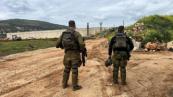
The Middle East is once again approaching a dangerous threshold. Israel’s growing readiness for a direct strike against Iran is no longer treated in global capitals as speculation or political theater. What was once confined to intelligence leaks, diplomatic signals, and unofficial briefings has increasingly moved into the realm of concrete military planning, strategic messaging, and open debate among decision-makers. The central question today is no longer whether Israel views such a strike as an option, but how close the region is to crossing a line that could fundamentally reshape regional and global security.
-
-
As the war between Russia and Ukraine approaches the end of 2025, it is increasingly clear that the conflict is entering a phase where endurance matters as much as battlefield dynamics. Military operations continue, but the decisive factors are gradually shifting toward economic resilience, political stability, industrial capacity, and the ability of each side, and their partners, to sustain a prolonged confrontation.
-
-
-
-
-
-