How the rise of “micro-habits” is reshaping personal productivity


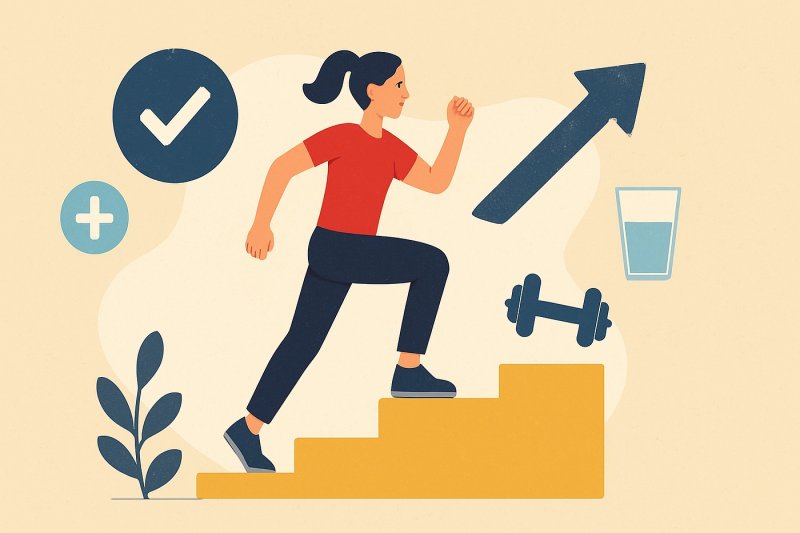
In a world overwhelmed by constant notifications, shrinking attention spans, and increasing pressure to perform, micro-habits are emerging as one of the most reliable tools for sustainable self-improvement, News.az reports.
These tiny, repeatable actions — sometimes as small as drinking one glass of water in the morning or writing a single sentence per day — are now at the center of scientific research and everyday routines.
The concept is simple but powerful: focus on actions so easy that they require almost no motivation. Behavioral experts note that most people fail not because of lack of ambition, but because they set goals that are too big for their fluctuating energy levels. Micro-habits bypass this problem by creating extremely small entry points that encourage consistency.
Researchers studying long-term behavior change highlight that the brain responds better to repeated, low-effort actions. Over time, these actions become automatic, forming stable neural pathways. This mechanism explains why micro-habits can outperform traditional goal-setting strategies, which often rely on willpower — a resource that quickly depletes under stress.
Technology and business sectors have begun integrating micro-habit principles into their products and workplace cultures. Productivity apps now send quick “one-action” reminders instead of long task lists. Meditation platforms offer two-minute breathing sessions for users who cannot commit to longer practices. Fitness programs increasingly promote short, consistent routines rather than intense, time-consuming workouts.
Corporations are also adopting micro-learning methods, breaking down employee training into 5–10 minute modules. Human resource specialists say this approach reduces burnout, improves retention, and makes employees more willing to engage. Even financial apps are joining the trend by encouraging users to save small amounts daily, helping them build long-term habits of responsible budgeting.
One of the defining strengths of micro-habits is their ability to build momentum. Psychologists describe a phenomenon called “the gateway effect,” where completing a small activity increases the likelihood of doing a larger one. For example, committing to read just one page often leads to finishing a full chapter. A one-minute walk sometimes turns into a 15-minute exercise session.
Experts believe the popularity of micro-habits reflects a broader cultural shift. Modern lifestyles often leave people feeling overwhelmed by information overload and time pressure. Small, achievable actions offer a sense of control and progress in a world that feels increasingly unpredictable.
As the global conversation about mental health, productivity, and work–life balance continues to evolve, micro-habits are expected to play an even greater role. They offer a sustainable alternative to the all-or-nothing mindset and empower individuals to make meaningful changes without dramatic disruptions.
The growing influence of micro-habits suggests that the future of personal development will not be defined by massive resolutions but by small, steady steps — repeated daily until they rewrite one’s lifestyle from the inside out.


Similar news