How to know a heart attack before it happens: Warning signs everyone should understand


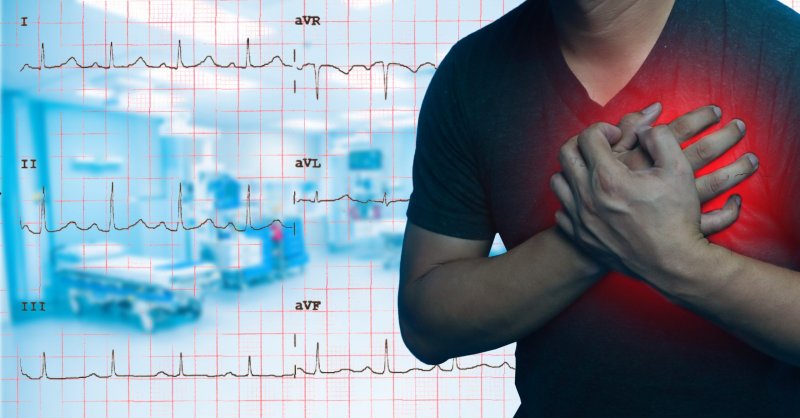
Heart attacks remain one of the leading causes of death worldwide, yet many lives can be saved if early warning signs are recognized, News.Az reports.
While heart attacks can strike suddenly, they are often preceded by subtle symptoms that people overlook or dismiss as minor discomforts. Understanding these early indicators — and how they differ from person to person — is one of the most effective ways to reduce risk and improve survival.
Experts emphasize that heart attacks rarely happen without any warning. In many cases, the body sends clear distress signals hours, days, or even weeks beforehand. The most common early symptom is chest discomfort. This may feel like pressure, tightness, aching, or a heavy sensation in the center or left side of the chest. Unlike brief pain caused by muscle strain, this discomfort often comes and goes, lasts several minutes, or returns repeatedly over time.
Another major warning sign is shortness of breath, even when a person is not exerting themselves. This may occur before or alongside chest pain. People often describe a feeling of not being able to take a full breath, or sudden exhaustion during simple activities such as climbing stairs or walking short distances.
Unexplained fatigue is an especially important warning for women. Many women report feeling unusually tired or weak days before a heart attack, sometimes to the point where everyday tasks feel overwhelming. This type of fatigue tends to appear suddenly and may not improve with rest.
Discomfort in the upper body is another key sign. Pain may spread to the shoulders, neck, jaw, or arms — especially the left arm. This pain might feel dull, sharp, or like a strange tingling sensation. Some people describe it as “pressure spreading outward” from the chest.
Other early indicators include cold sweats, lightheadedness, nausea, or a feeling similar to indigestion. While these symptoms can occur for many reasons, experiencing several of them together — especially in someone with high blood pressure, diabetes, high cholesterol, or a family history of heart disease — warrants immediate attention.
Doctors caution that heart attack symptoms can vary dramatically. Men often experience sudden, intense chest pain, while women may have milder, more diffuse symptoms such as back pain, dizziness, or shortness of breath without chest pressure. Older adults and people with diabetes may have especially subtle signs, making it essential for them to stay aware of any unusual changes in their body.
Beyond recognizing symptoms, there are also measurable risk signals that appear before a heart attack. Persistent high blood pressure, abnormal cholesterol levels, elevated blood sugar, and obesity all increase the likelihood of a cardiac event. Regular medical checkups remain one of the best ways to identify risks early. Doctors can detect conditions like coronary artery disease before it leads to a heart attack, allowing patients to take preventive steps.
Technology is also improving early detection. Modern smartwatches, wearable sensors, and mobile health apps can track heart rhythms and detect irregularities. While these devices cannot diagnose a heart attack, they can provide early warnings of issues such as arrhythmias or abnormal heart rates that may require medical evaluation. Some devices alert users to patterns that signal increased cardiovascular stress, helping them seek help sooner.
Despite advances in detection, experts stress that no tool replaces fast action. If a person suspects they are experiencing warning signs of a heart attack, they should seek emergency medical assistance immediately. Early treatment greatly improves survival rates, as restoring blood flow quickly can prevent permanent damage to the heart muscle.
Public health organizations also emphasize lifestyle measures that reduce the risk of heart attack. These include eating a balanced diet, engaging in regular physical activity, avoiding tobacco, managing stress, and controlling medical conditions such as hypertension and diabetes. While these steps cannot guarantee prevention, they significantly lower the overall risk.
Understanding the early signs of a heart attack and taking action when they appear can save lives. As doctors frequently say, “When in doubt, check it out.” Even mild or uncertain symptoms should not be ignored. Heart attacks often give warnings — and recognizing them is the first step toward protecting your health.


Similar news