What we know about Qatar Airways: Fleet strategy, operations, and future outlook


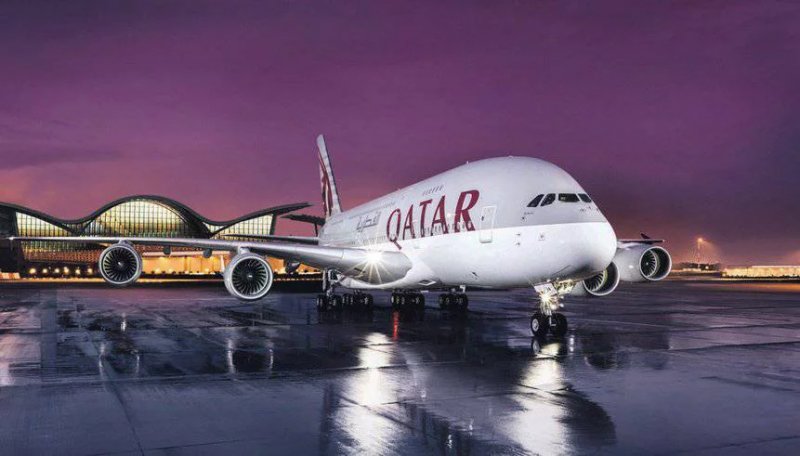
Qatar Airways stands as one of the world’s most prominent full service carriers, known for its premium service, global connectivity, and strategic positioning in the Middle East aviation landscape.
In recent years, however, the airline has faced a combination of geopolitical tensions, market volatility, and operational disruptions that have forced it to adapt rapidly, News.Az reports
Understanding Qatar Airways today requires a comprehensive look at its fleet, network strategy, operational challenges, financial positioning, and long term outlook.
A global aviation powerhouse based in Doha

Qatar Airways is the national carrier of Qatar and operates from its hub at Hamad International Airport in Doha. Since its relaunch in the late 1990s, the airline has expanded aggressively to become one of the leading global carriers, connecting more than 150 destinations across six continents.
Its strategic geographic position allows it to function as a major transit hub between Europe, Asia, Africa, and the Americas. This hub and spoke model has been central to its success, enabling passengers to travel efficiently between distant regions via Doha.
The airline is also a member of the oneworld alliance, strengthening its global reach through partnerships with major carriers such as British Airways, American Airlines, and Cathay Pacific. These partnerships allow seamless connectivity and expanded route coverage beyond its own network.
Fleet composition and modernization strategy
Source: economymiddleeast
One of the defining features of Qatar Airways is its modern and diverse fleet. The airline has consistently invested in new generation aircraft to enhance efficiency, passenger comfort, and long haul capabilities.
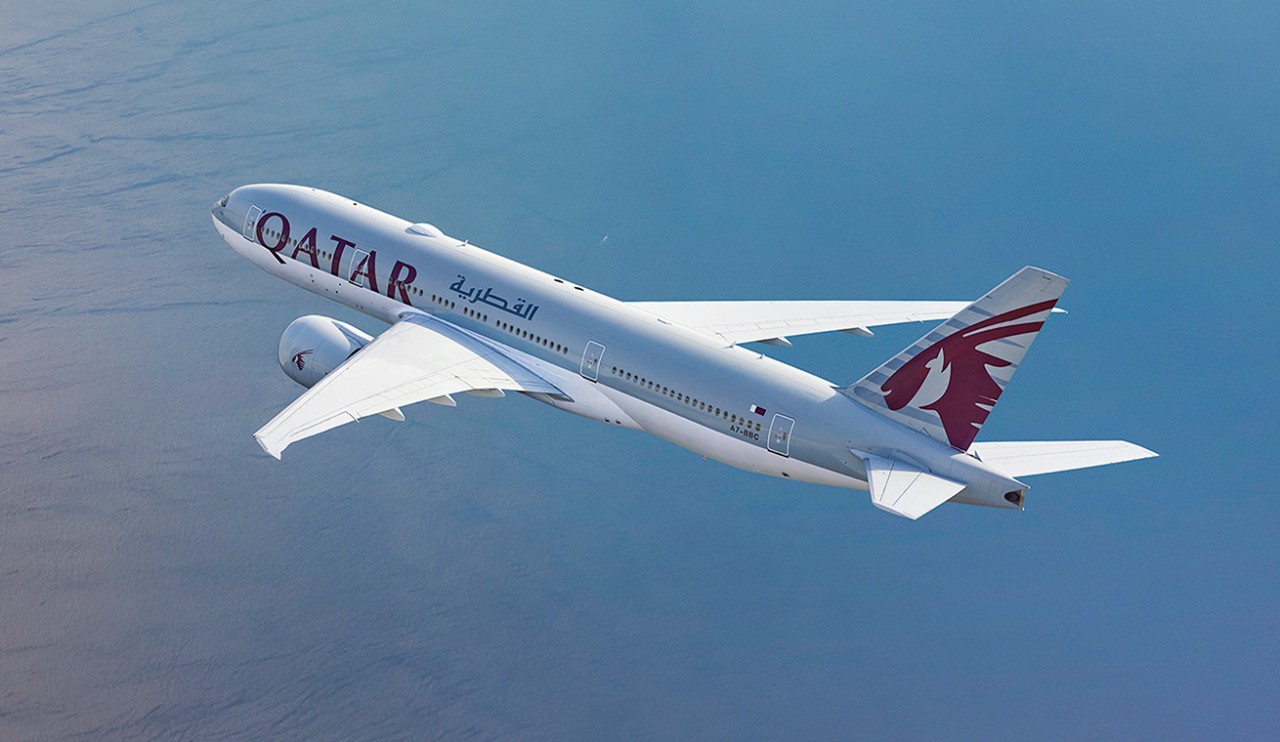
Its fleet includes widebody aircraft such as the Airbus A350, Boeing 787 Dreamliner, Airbus A380, and Boeing 777. Each aircraft type serves a specific purpose within the airline’s network strategy.
The Airbus A350 forms the backbone of Qatar Airways’ long haul operations. Known for its fuel efficiency and advanced cabin features, the A350 allows the airline to operate ultra long haul routes with lower operating costs. Qatar Airways was one of the launch customers for this aircraft, reflecting its early commitment to fleet modernization.
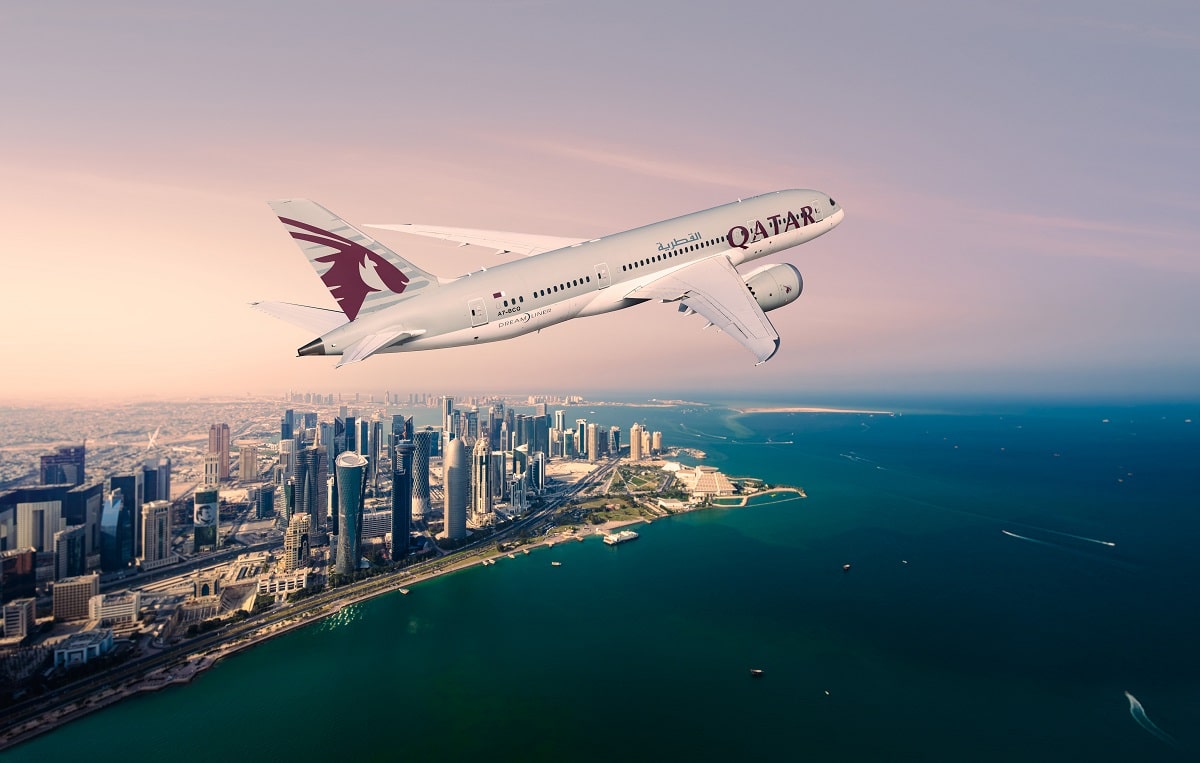
The Boeing 787 Dreamliner plays a similar role, offering flexibility for medium to long haul routes with lower demand compared to larger aircraft. Its efficiency makes it ideal for expanding into new markets.
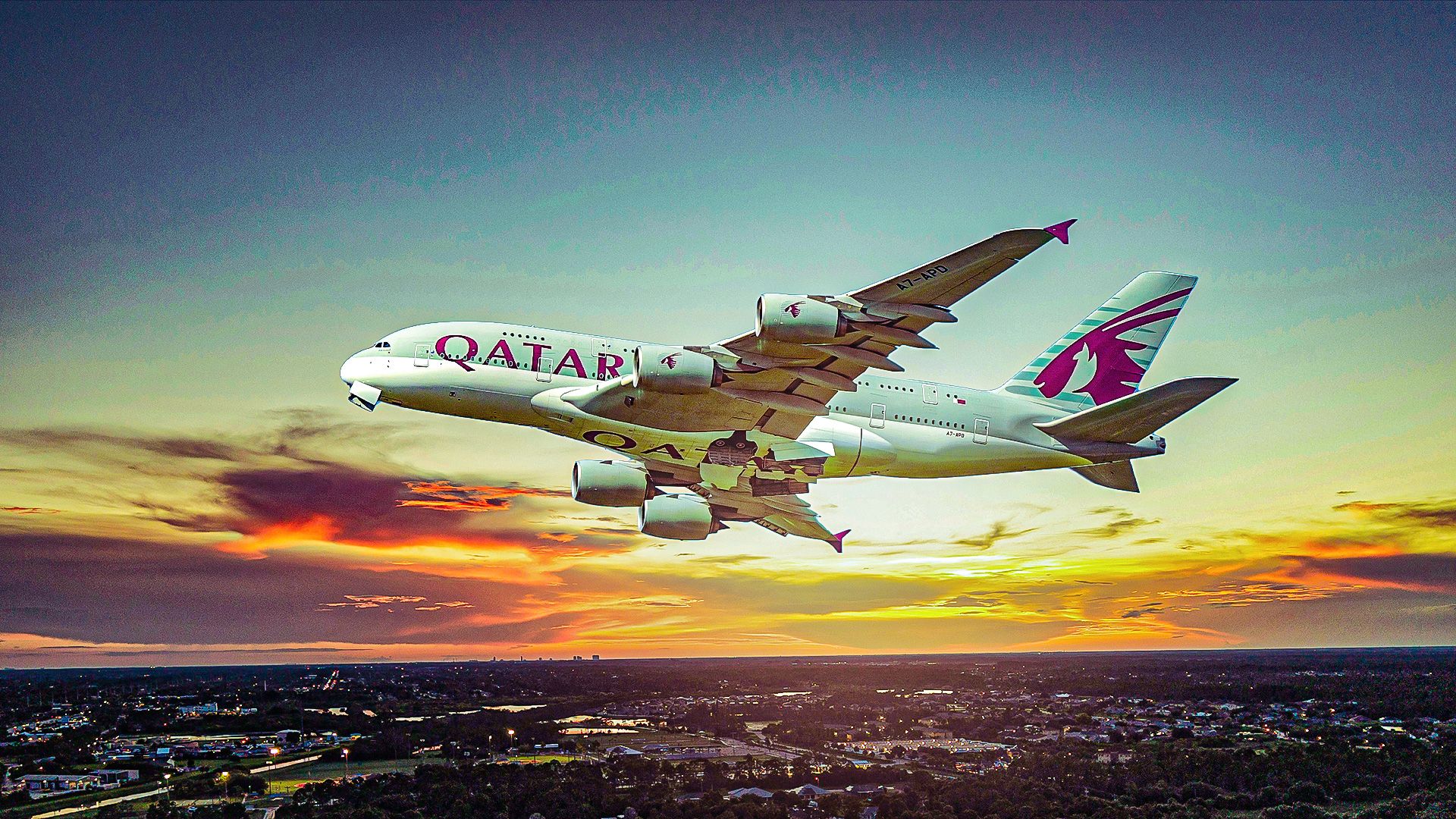
The Airbus A380, the largest passenger aircraft in the world, has been used primarily on high demand routes such as London, Paris, and Sydney. However, the aircraft’s high operating costs and changing demand patterns have made its future uncertain, particularly in times of reduced travel demand.
The Boeing 777 fleet continues to support both passenger and cargo operations. Qatar Airways Cargo is one of the largest air freight operators globally, and the 777 freighter plays a crucial role in maintaining supply chains.
Recent developments indicate that Qatar Airways is reassessing its fleet deployment. The movement of A380 and A350 aircraft into long term storage suggests a shift toward more flexible and cost efficient operations, particularly in response to regional instability.
Operational disruptions and geopolitical impact
Source: economymiddleeast
Qatar Airways operates in a region that has experienced significant geopolitical volatility. Conflicts, airspace restrictions, and security risks have directly affected flight operations, route planning, and passenger demand.
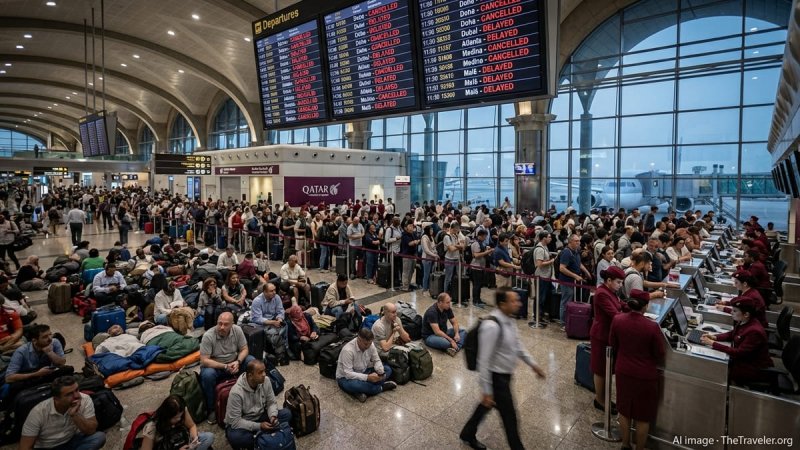
Recent instability in the Middle East has forced the airline to reduce its flight schedule significantly. After briefly increasing operations to around 135 daily flights, Qatar Airways scaled back to just over 40 daily flights within a short period. This sharp adjustment highlights the sensitivity of aviation demand to regional security conditions.
Airspace closures and rerouting requirements have also increased operational complexity. Flights may need to take longer routes to avoid conflict zones, leading to higher fuel consumption and longer travel times.
Security concerns extend beyond flight paths. The presence of missile and drone threats in the region has raised questions about the safety of aircraft on the ground, particularly at major hubs such as Doha. This has contributed to the decision to relocate aircraft to safer locations abroad.
Strategic use of long term storage
Source: economymiddleeast
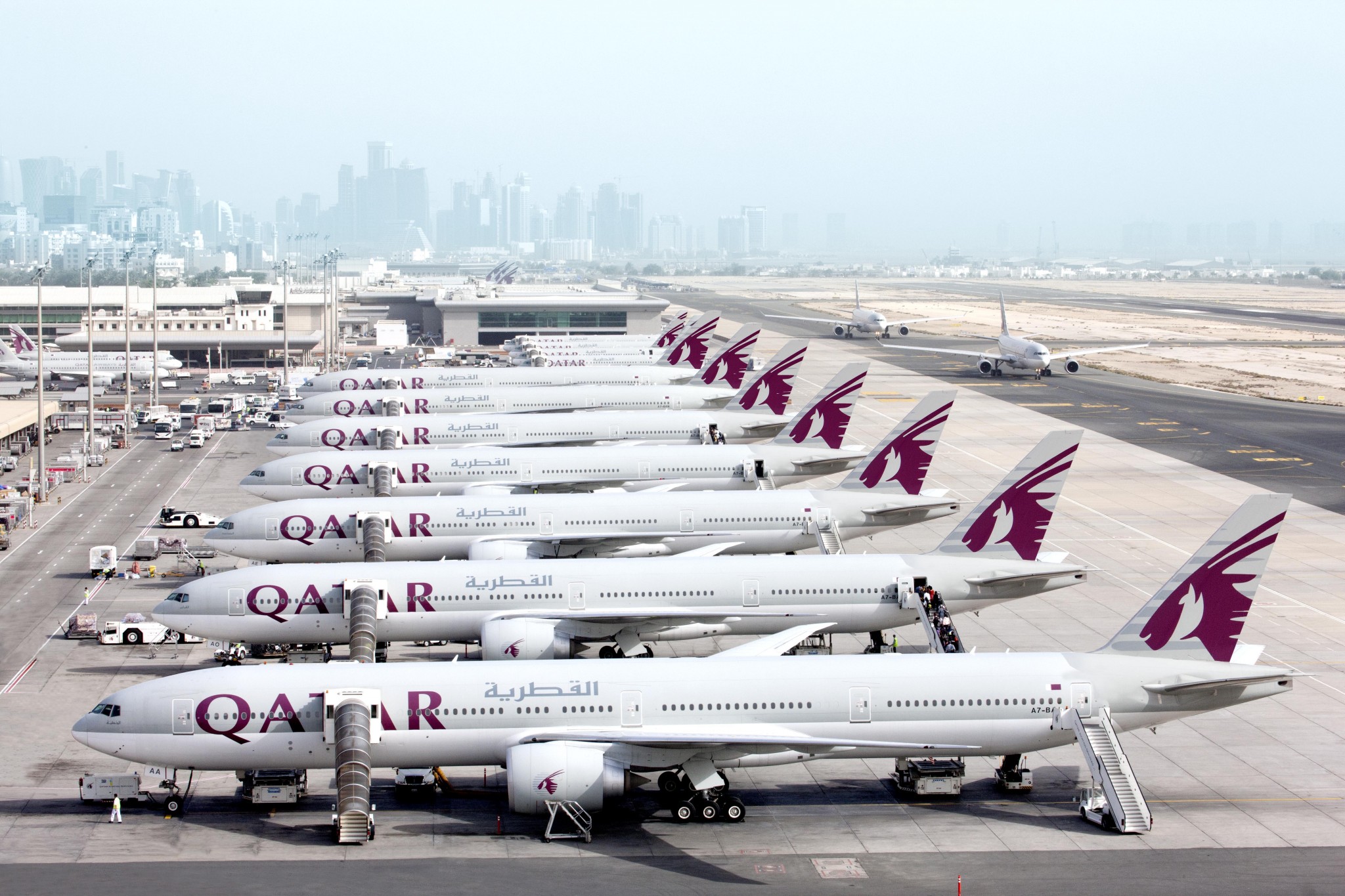
The decision to move aircraft to long term storage facilities such as Teruel Airport in Spain reflects a broader industry trend during periods of reduced demand. These facilities offer cost effective solutions for parking, maintaining, and preserving aircraft until they are needed again.
For Qatar Airways, this strategy serves multiple purposes. It reduces operational costs associated with parking aircraft at major international airports, where fees can be substantial. It also minimizes exposure to potential risks in volatile regions.
At the same time, storing aircraft allows the airline to retain capacity for future recovery. Unlike retiring aircraft permanently, storage provides the flexibility to reactivate planes when demand returns.
However, the choice of which aircraft to store is significant. High capacity aircraft such as the Airbus A380 are often the first to be grounded during downturns due to their higher operating costs. This suggests that Qatar Airways expects a slower recovery in high volume passenger traffic.
Financial considerations and cost management
Source: economymiddleeast
Like all global airlines, Qatar Airways has been affected by fluctuations in demand, fuel prices, and operational costs. Managing these factors effectively is critical to maintaining financial stability.
Reducing flight operations helps limit losses during periods of weak demand, but it also reduces revenue. The airline must balance cost cutting measures with the need to maintain market presence and connectivity.
Fleet optimization plays a key role in this balance. By deploying more fuel efficient aircraft and reducing reliance on large, costly jets, Qatar Airways can improve its cost structure.
Cargo operations have also become increasingly important. During times when passenger travel declines, air freight can provide a vital source of revenue. Qatar Airways Cargo has leveraged this opportunity, transporting goods ranging from medical supplies to e commerce shipments.
Competition and regional dynamics
Source: economymiddleeast
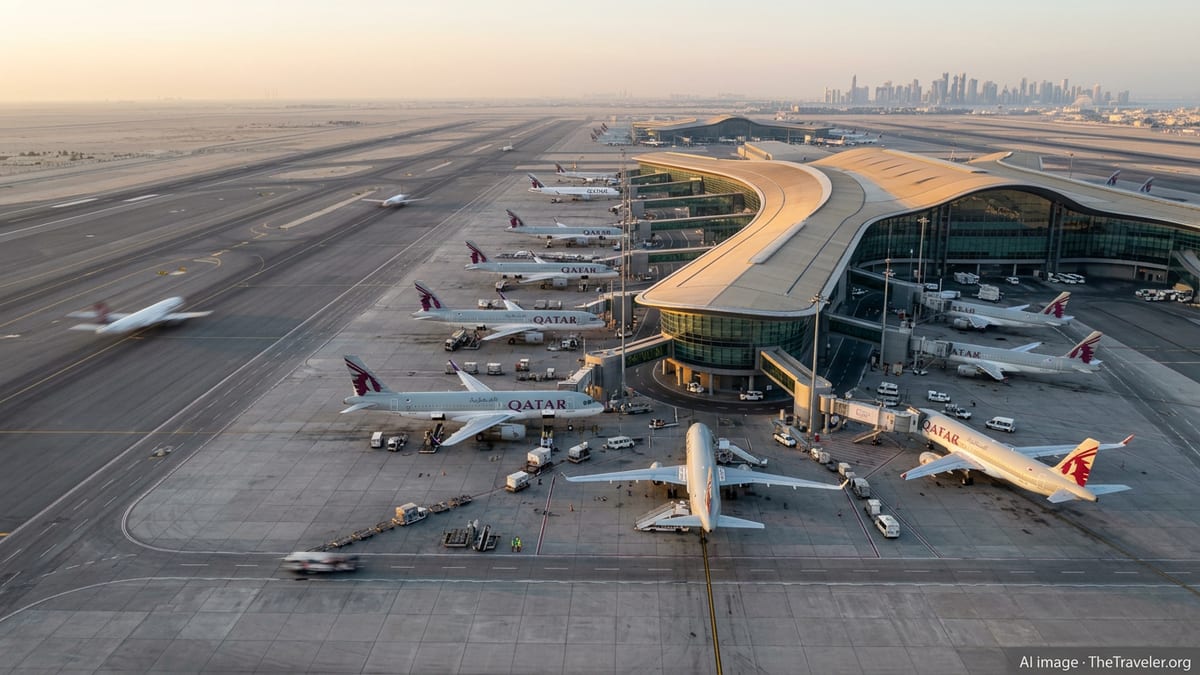
Qatar Airways operates in a highly competitive environment, particularly within the Gulf region. Emirates and Etihad Airways are its main regional rivals, each with its own strategy and strengths.
Emirates, based in Dubai, has pursued a more aggressive recovery strategy, maintaining a high level of flight operations even during periods of uncertainty. Its reliance on the Airbus A380 as a flagship aircraft contrasts with Qatar Airways’ more cautious approach.
Etihad Airways, based in Abu Dhabi, has undergone restructuring in recent years, focusing on profitability and efficiency rather than rapid expansion.
The differing strategies of these airlines highlight the complexity of the aviation market in the region. Factors such as government support, market positioning, and risk tolerance all influence decision making.
Qatar Airways’ cautious approach suggests a focus on long term sustainability rather than short term growth. By prioritizing cost control and asset protection, the airline aims to navigate uncertainty while preserving its competitive position.
Passenger experience and brand positioning

Source: economymiddleeast
Despite operational challenges, Qatar Airways continues to emphasize its premium service offering. The airline has consistently been recognized for its high quality onboard experience, including comfortable seating, advanced entertainment systems, and high standards of customer service.
Its business class product, known as Qsuite, is widely regarded as one of the best in the industry. The focus on premium travel helps differentiate Qatar Airways from competitors and attract high value customers.
Maintaining this level of service during periods of reduced operations is essential for preserving brand reputation. Even as the airline cuts capacity, it must ensure that the passenger experience remains consistent.
Future outlook and recovery prospects
Source: economymiddleeast
The future of Qatar Airways depends on several key factors, including regional stability, global travel demand, and the pace of economic recovery.
If geopolitical tensions ease, the airline may be able to gradually restore its flight schedule and reactivate stored aircraft. However, if instability persists, further adjustments may be necessary.
The long term trend toward more fuel efficient and flexible aircraft is likely to continue. Qatar Airways may prioritize smaller widebody jets over large aircraft like the A380, reflecting changing market conditions.
Digital transformation and operational efficiency will also play a role in shaping the airline’s future. Investments in technology can improve scheduling, reduce costs, and enhance the customer experience.
Sustainability is another important consideration. As environmental concerns become more prominent, airlines are under pressure to reduce emissions and adopt greener practices. Modern aircraft such as the A350 and 787 contribute to this goal through improved fuel efficiency.
Conclusion
Source: economymiddleeast
Qatar Airways remains a major force in global aviation, but it is navigating a complex and uncertain environment. Its recent decisions, including the relocation of aircraft to long term storage and the reduction of flight operations, reflect a strategic response to current challenges.
The airline’s ability to adapt will determine its success in the coming years. By balancing caution with readiness for recovery, Qatar Airways aims to maintain its position as a leading global carrier while managing the risks associated with regional instability.
As the aviation industry continues to evolve, Qatar Airways’ approach provides insight into how airlines can respond to crisis conditions while preparing for future growth.
By Faig Mahmudov


Similar news