How Toyota and BYD are influencing the future of electric vehicles


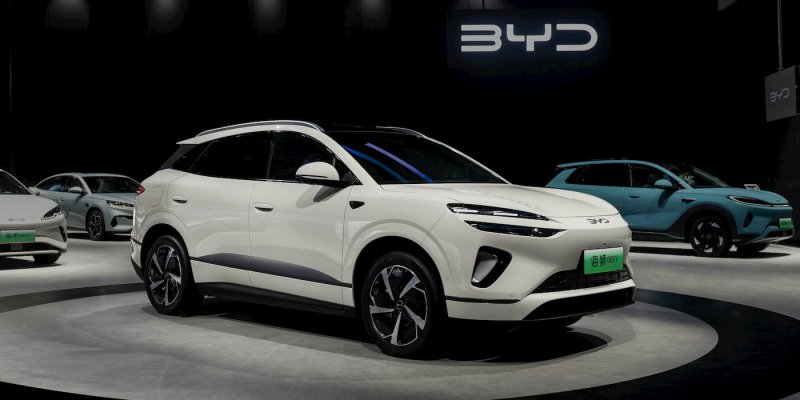
Japan’s electric vehicle market is growing, but far more slowly than in China, Europe, or the United States. Recent sales data and industry commentary show that Toyota and BYD are emerging as key drivers of this gradual expansion, even as overall EV adoption remains cautious, News.Az reports.
Below is a detailed FAQ explainer examining why EV growth in Japan is modest, how Toyota and BYD are shaping the market, and what this trend means for the future of Japanese mobility.
What is happening in Japan’s EV market right now?
Japan is experiencing incremental growth in electric vehicle sales rather than a rapid transition. EV registrations are increasing year on year, but the pace is measured and uneven. Battery electric vehicles still represent a small share of total new car sales compared with global benchmarks.
Unlike markets where policy pressure or fuel price shocks accelerated EV uptake, Japan’s transition has been shaped by consumer conservatism, strong loyalty to domestic brands, and a long-standing preference for hybrid vehicles. As a result, growth is steady but restrained.
Why is EV growth described as “modest” rather than strong?
EV growth in Japan is described as modest because the increase is real but limited in scale. Sales are rising from a low base, and the market share of pure electric vehicles remains well below double digits.
Several structural factors contribute to this pace:
-
Japanese consumers prioritize reliability, resale value, and total cost of ownership.
-
Hybrid vehicles are already widely accepted as a low-risk, fuel-efficient option.
-
Charging infrastructure, while improving, is still perceived as less convenient than refueling.
-
Urban density and limited private parking complicate home charging for many drivers.
Together, these factors slow mass EV adoption even as interest grows.
How is Toyota influencing EV sales growth in Japan?
Toyota plays a central role in Japan’s EV trajectory, but not in the same way as Tesla or Chinese EV specialists in other markets. Toyota’s influence comes from its brand power, dealer network, and strategic shift toward a more balanced electrification portfolio.
Historically, Toyota focused on hybrids as its primary electrification solution, arguing that they deliver immediate emissions reductions at scale. Recently, however, the company has begun expanding its battery electric lineup and improving EV-specific platforms.
Toyota’s EV sales volumes are not explosive, but they are significant because they signal legitimacy. When Toyota sells EVs, mainstream Japanese consumers pay attention. This credibility effect helps normalize EV ownership and reduces perceived risk.
Why has Toyota been cautious about full electrification?
Toyota’s caution stems from both technical and market considerations. The company has consistently argued that:
-
Battery supply constraints could limit sustainable mass EV adoption.
-
Hybrids and plug-in hybrids provide better emissions reductions in certain markets.
-
Infrastructure readiness varies significantly by region.
In Japan, these arguments resonate. Consumers already view hybrids as an environmentally responsible choice, reducing urgency for a rapid shift to full EVs. Toyota’s gradual approach aligns with domestic consumer sentiment, even if it attracts criticism internationally.
What role does BYD play in Japan’s EV growth?
BYD represents a contrasting force in Japan’s EV market. As a Chinese manufacturer with deep expertise in batteries and electric drivetrains, BYD has entered Japan with a focused, EV-only strategy.
BYD’s impact is notable because it challenges long-standing assumptions about foreign automakers’ ability to compete in Japan. While its absolute sales volumes remain modest, BYD is gaining visibility and acceptance, particularly among urban buyers and fleet customers.
The company’s competitive pricing, strong battery credentials, and growing brand recognition are helping expand the EV conversation beyond domestic manufacturers.
Why is BYD gaining traction despite Japan’s brand loyalty?
Japan is famously difficult for foreign car brands to penetrate, but BYD benefits from several advantages:
-
A clear identity as an EV specialist rather than a transitional brand.
-
Vertical integration in battery production, which supports cost control.
-
A product lineup tailored to urban use and efficiency.
Additionally, younger buyers and corporate fleets are more open to non-Japanese brands if the value proposition is compelling. BYD’s presence also introduces competitive pressure, encouraging domestic automakers to accelerate their own EV offerings.
How do Toyota and BYD differ in their EV strategies?
Toyota and BYD approach the Japanese EV market from fundamentally different positions.
Toyota emphasizes balance. It promotes hybrids, plug-in hybrids, and EVs as complementary solutions, giving consumers choice and flexibility. The strategy prioritizes reliability, incremental change, and integration with existing infrastructure.
BYD emphasizes focus. It positions battery electric vehicles as the core solution and highlights technological maturity and cost efficiency. Rather than offering many powertrain options, BYD concentrates on optimizing EV performance and affordability.
These contrasting strategies shape the nature of EV growth in Japan – steady, diversified expansion rather than rapid disruption.
How important are hybrids in Japan’s EV discussion?
Hybrids remain central to Japan’s electrification story. For many consumers, hybrids are seen as “electrified enough,” offering lower emissions without lifestyle changes.
This widespread hybrid adoption partially explains why EV growth appears slow. In markets without a strong hybrid base, EVs fill a larger gap. In Japan, hybrids already occupy that space, reducing urgency for battery electric vehicles.
Toyota’s dominance in hybrids reinforces this dynamic, while BYD’s EV-only approach introduces an alternative vision of full electrification.
What role does government policy play in EV adoption?
Japanese government policy supports electrification but avoids aggressive mandates. Incentives exist for EV purchases and charging infrastructure, but they are generally less forceful than in Europe or China.
The policy emphasis is on long-term carbon neutrality rather than rapid market disruption. This approach aligns with Japan’s industrial structure and consumer culture but also contributes to gradual, rather than dramatic, EV growth.
Is charging infrastructure a major barrier?
Charging infrastructure is improving, but perception matters as much as reality. Many Japanese drivers live in apartments or rely on street parking, making home charging difficult. Public chargers are expanding, but convenience and availability vary widely.
For consumers accustomed to fast, ubiquitous refueling, charging anxiety remains a psychological barrier. Both Toyota and BYD must address this through vehicle efficiency, charging partnerships, and clear communication.
Are Japanese consumers interested in EVs at all?
Yes, interest is growing, especially among younger buyers and environmentally conscious consumers. However, interest does not always translate into immediate purchases.
Japanese consumers tend to adopt new technologies cautiously, waiting for proof of reliability, resale value, and long-term support. Toyota’s involvement helps reassure these buyers, while BYD appeals to early adopters seeking innovation and cost competitiveness.
How do EV prices affect adoption in Japan?
Price sensitivity plays a significant role. EVs typically carry higher upfront costs than comparable hybrids or gasoline vehicles, even after incentives. This limits appeal among cost-conscious buyers.
BYD’s competitive pricing helps lower this barrier, while Toyota leverages trust and perceived long-term value. Still, until EV prices align more closely with mainstream vehicles, growth is likely to remain measured.
What does “modest growth” actually look like in numbers?
Modest growth means incremental increases rather than exponential curves. EV sales rise year on year, but total volumes remain relatively small compared with Japan’s overall auto market.
This pattern suggests a transition phase rather than stagnation. EVs are gaining ground, but hybrids and conventional vehicles still dominate.
How does Japan compare with China and Europe?
Japan lags behind China and Europe in EV adoption, but the comparison can be misleading. Japan started electrification earlier through hybrids, while China and Europe pushed directly into battery electric vehicles.
Different paths lead to different outcomes. Japan’s approach prioritizes stability and consumer confidence, even if it appears conservative by global standards.
Is Toyota at risk of falling behind globally?
Globally, Toyota faces pressure to accelerate its EV strategy, especially in markets with stricter emissions regulations. In Japan, however, its approach remains well aligned with consumer expectations.
The challenge for Toyota is balancing domestic preferences with international demands. Its expanding EV lineup suggests recognition that both fronts matter.
Can BYD significantly reshape Japan’s EV market?
BYD alone is unlikely to revolutionize Japan’s market overnight. However, its presence matters symbolically and competitively. It proves that EV-focused foreign manufacturers can find space in Japan.
Over time, this could encourage more competition, innovation, and price pressure, benefiting consumers and accelerating adoption.
What does this mean for other automakers in Japan?
Other manufacturers are watching closely. Modest growth led by Toyota and BYD sets a reference point for what works in Japan.
Automakers must balance innovation with caution, offering EVs that meet Japanese expectations for quality, efficiency, and support rather than chasing volume alone.
Is modest EV growth a problem or a strength?
It depends on perspective. Critics argue that Japan risks falling behind in global EV leadership. Supporters argue that steady, consumer-aligned growth ensures sustainability and avoids backlash.
From a domestic standpoint, modest growth may reflect realism rather than resistance.
What is the long-term outlook for EVs in Japan?
Over the long term, EV adoption in Japan is expected to continue rising, driven by technological improvements, cost reductions, and generational change.
Toyota’s gradual expansion and BYD’s focused challenge suggest a future defined by coexistence rather than dominance – hybrids, EVs, and other solutions evolving side by side.
Bottom line: why Toyota and BYD matter
Toyota and BYD matter because they represent two credible paths toward electrification in Japan. One emphasizes continuity and trust, the other innovation and disruption.
Together, they are leading a modest but meaningful shift in how Japanese consumers view electric vehicles. The growth may not be dramatic, but it is steady – and in Japan’s automotive culture, that may be exactly what long-term transformation looks like.


Similar news