How Wordle turned a simple puzzle into a global daily ritual


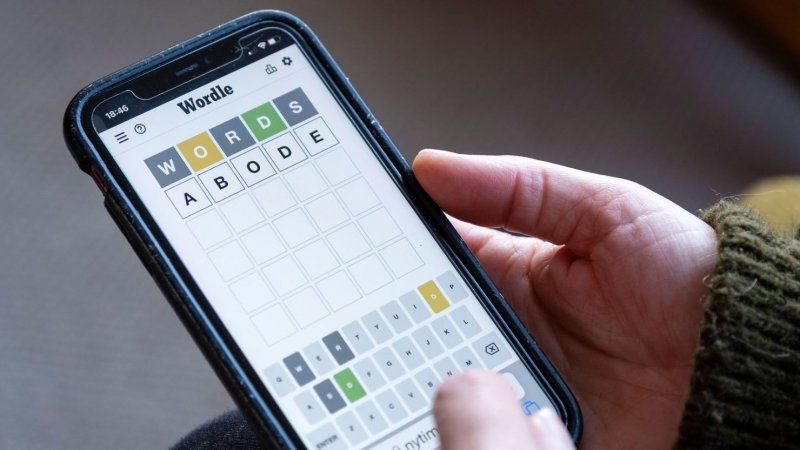
Wordle represents a rare phenomenon in the digital age: a simple, minimalist game that achieved global popularity without aggressive marketing, complex graphics, or monetization pressure, News.az reports.
Its rapid adoption demonstrated how digital audiences respond not only to technological sophistication but also to clarity, routine, and shared experience. Wordle’s success highlights broader shifts in how people engage with games, media, and daily digital habits, making it an important case study in modern digital culture.
The appeal of simplicity in a complex digital world
Modern digital environments are often characterized by constant notifications, endless content streams, and algorithm driven engagement. Against this backdrop, Wordle’s simplicity stood out. The game offers one puzzle per day, clear rules, and a limited time commitment.
This design choice resonated with users seeking moments of focus and mental stimulation without long term investment. Wordle demonstrated that restraint can be as powerful as abundance in capturing attention.
The game’s structure aligns with broader trends favoring mindful digital consumption and intentional engagement.
Daily rituals and habit formation
Wordle quickly became a daily ritual for millions of users. Its once per day format encouraged regular but controlled engagement. Players incorporated the puzzle into morning routines or breaks, creating a shared global rhythm.
Digital rituals foster continuity and familiarity. Unlike binge based consumption models, Wordle promotes anticipation and reflection. The delayed gratification reinforces habit formation without dependency.
This ritualistic quality contributes to the game’s lasting appeal and distinguishes it from many other digital games.
Social sharing without competition
A defining feature of Wordle is its unique sharing mechanism. Players share results using abstract colored grids rather than explicit answers. This format preserves the challenge for others while enabling participation in a collective experience.
The absence of direct competition reduces pressure and comparison. Instead, sharing emphasizes inclusion and conversation. Success and failure are normalized as part of the experience.
This approach illustrates how thoughtful design can encourage social interaction without fostering toxicity or excessive competitiveness.
Cognitive engagement and accessibility
Wordle engages cognitive skills such as vocabulary, pattern recognition, and logical deduction. The game is intellectually stimulating yet accessible, requiring no specialized knowledge.
Its accessibility contributed to broad demographic appeal. Players of different ages and backgrounds participate on equal terms. This inclusivity reinforces the game’s role as a shared cultural reference.
By prioritizing mental challenge over speed or reflexes, Wordle aligns with preferences for low stress cognitive engagement.
Cultural impact and shared language
Wordle influenced digital culture by introducing a shared language of colored squares and guess sequences. These symbols became recognizable across social platforms, transcending linguistic boundaries.
This shared visual language facilitated global participation. Players from different regions engaged in the same daily challenge, fostering a sense of collective experience.
Such cultural moments illustrate how simple digital artifacts can create global connection.
Media attention and organic growth
Wordle’s growth relied heavily on organic sharing rather than paid promotion. Media attention followed user enthusiasm rather than driving it. This pattern contrasts with many digital products that depend on extensive marketing.
The game’s visibility spread through social networks, workplace conversations, and personal recommendations. This organic expansion enhanced credibility and trust.
Wordle’s trajectory underscores the power of user driven discovery in the digital ecosystem.
Minimalism and design philosophy
Wordle’s interface is intentionally minimal. No advertisements, no distractions, and no unnecessary features. This design philosophy reinforces focus and clarity.
Minimalism reduces cognitive overload and enhances user satisfaction. It reflects a broader design trend that values simplicity and purpose over complexity.
Wordle demonstrates how design restraint can amplify engagement and longevity.
Psychological comfort and predictability
In uncertain times, predictable routines provide psychological comfort. Wordle’s consistency offers a small, reliable challenge that users can anticipate daily.
This predictability contributes to emotional stability and stress reduction. The game offers a sense of accomplishment without high stakes.
Such qualities help explain why Wordle resonated during periods of heightened uncertainty and digital fatigue.
Educational and linguistic value
Beyond entertainment, Wordle has educational value. Players expand vocabulary, explore letter frequency, and develop strategic thinking.
Educators and language learners use the game as a supplementary tool. Its format encourages curiosity about words and language structure.
This educational dimension enhances Wordle’s cultural legitimacy and relevance.
Digital ownership and platform dynamics
Wordle’s acquisition by a major media organization highlighted issues of digital ownership and platform dynamics. Users became more aware of how simple digital products can gain significant cultural and economic value.
The transition sparked discussions about preservation of user experience, independence, and sustainability. These debates reflect broader concerns about digital consolidation.
Wordle’s journey illustrates the lifecycle of digital phenomena from independent creation to institutional integration.
The limits of virality
Unlike many viral trends, Wordle avoided rapid burnout. Its controlled pace and finite engagement prevented oversaturation.
This longevity challenges assumptions that virality requires constant novelty. Instead, Wordle shows that stability and repetition can sustain interest.
Understanding these dynamics offers insights into sustainable digital engagement models.
Future of casual digital games
Wordle’s success influences future game design. Developers increasingly explore minimalist formats, daily challenges, and low pressure engagement.
These trends reflect shifting user preferences toward balance and intentionality in digital life.
Wordle serves as a reference point for how games can enrich daily routines without dominating attention.
Conclusion
Wordle represents more than a word puzzle. It embodies a shift toward simplicity, ritual, and shared experience in digital culture. Its impact demonstrates that meaningful engagement does not require complexity or scale, but thoughtful design and respect for users’ time. In an era of digital excess, Wordle stands as a reminder of the enduring appeal of simple, well crafted experiences.


Similar news