Humans used poisoned arrows 60,000 years ago


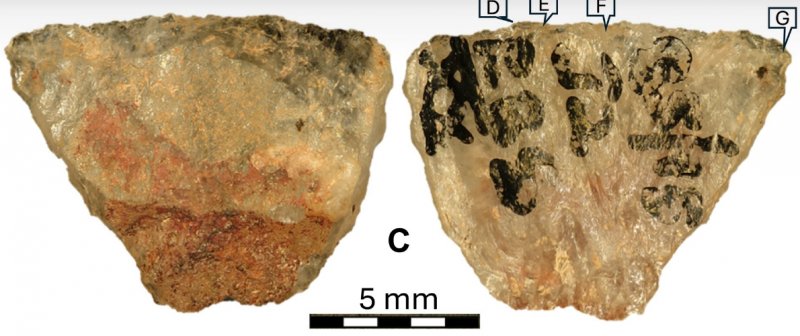
New research shows humans were using poisoned arrows in South Africa 60,000 years ago—tens of thousands of years earlier than previously known. Scientists found toxic plant residues on tiny quartz arrowheads from Umhlatuzana Rock Shelter in KwaZulu-Natal.
The poison likely came from the bulbs of Boophone disticha, a local flowering plant. Hunters would have used it to weaken prey over time, requiring skill to track animals until they could be captured, News.Az reports, citing Science Advances.
This discovery not only pushes back the timeline for poisoned hunting weapons but also highlights advanced human cognition. Making and using poisoned arrows required knowledge of plant toxins, their effects on prey, and strategies to improve hunting efficiency. Researchers suggest the development of miniature stone tools, or microliths, may have been linked to the emergence of poison use, representing a major technological and cognitive breakthrough for early humans.


Similar news