Hungary’s political shift – What it means for Azerbaijan energy partnership


.png)
Editor’s note: Faig Mahmudov is a journalist based in Azerbaijan covering regional security, foreign policy, and geopolitical developments. The views expressed in this article are his own and do not necessarily reflect the official position or editorial stance of News.Az.
Hungary’s recent political shift can best be understood by examining domestic dynamics as the central driver of change. While international alignments and geopolitical considerations remain important, the internal economic environment has played a defining role in shaping voter sentiment.
For many years, Hungary’s economy stood out as one of the more dynamic within the European Union. Growth rates frequently outpaced the EU average, contributing to a sense of stability and forward momentum. Even during the challenging period of the COVID-19 pandemic, the overall trajectory remained constructive and resilient.
In recent years, however, the pace of economic expansion has moderated. Growth has aligned more closely with broader European trends, reflecting both global economic conditions and evolving domestic factors. This adjustment has been felt across different sectors, influencing public expectations and policy priorities.
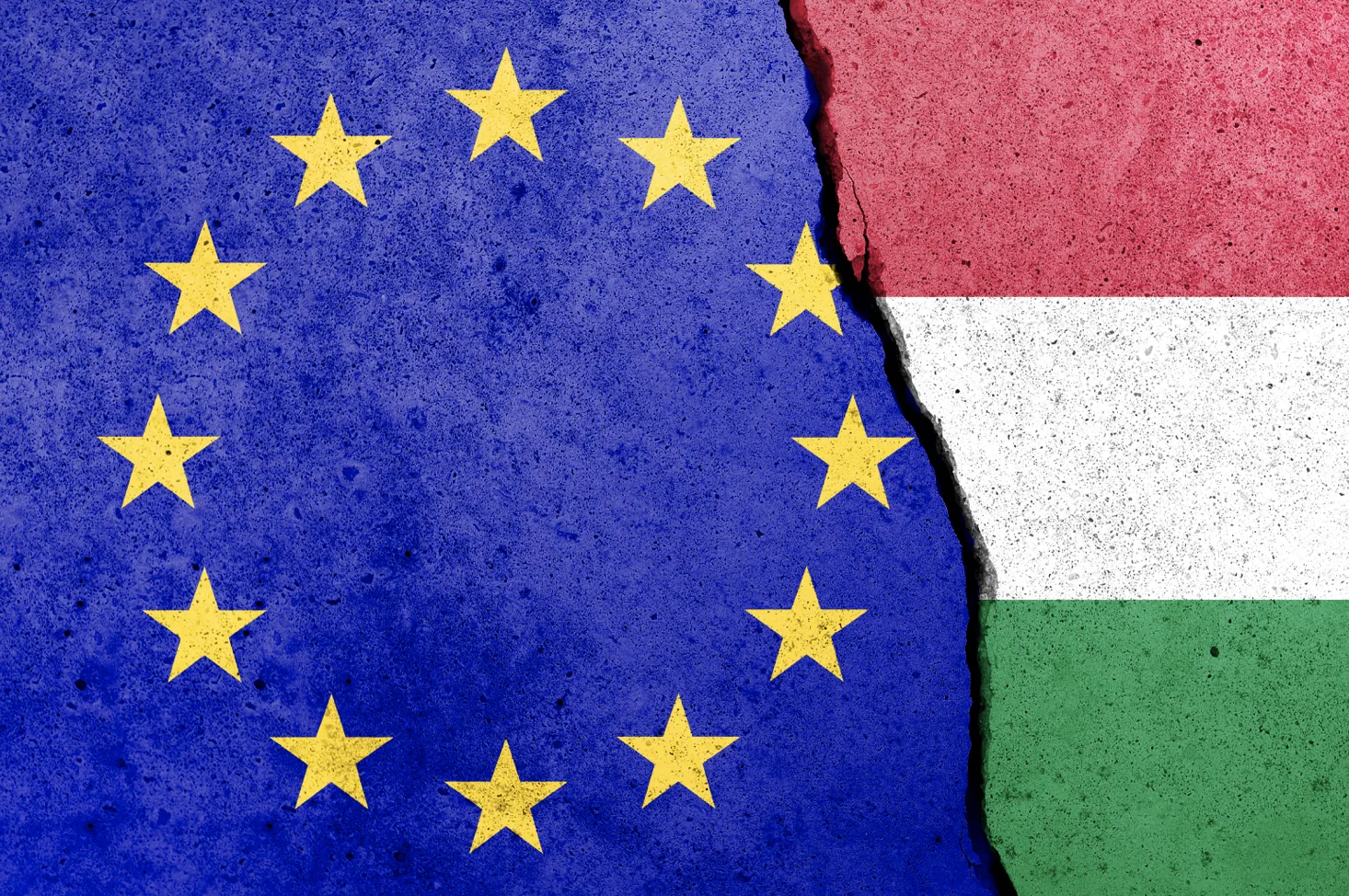
A key element in this economic evolution has been Hungary’s engagement with the European Union. Discussions between Budapest and Brussels, including those related to financial frameworks and development funds, have played a notable role in shaping the economic landscape. These funds are vital instruments supporting infrastructure, investment, and long-term growth, and ongoing dialogue has underscored their importance.
Source: Reuters
Rather than viewing these developments as purely contentious, they can also be interpreted as part of a broader process of recalibration within the European framework. Hungary has consistently maintained its commitment to both the European Union and the transatlantic alliance, while advocating its own vision of cooperation and sovereignty.
This nuanced position highlights that Hungary’s previous leadership was not opposed to Europe, but instead favoured a differentiated approach within it. The country has remained aligned with key institutions, including NATO, while contributing to ongoing debates about the future direction of European integration.
Looking ahead, Hungary’s relationship with the European Union is likely to evolve towards a more harmonised and cooperative tone. This does not necessarily imply a fundamental shift, but rather a refinement of engagement aimed at strengthening mutual understanding and unlocking shared opportunities.
Transatlantic relations will also continue to play an important role. The earlier alignment with Donald Trump reflected a particular phase in global politics. Moving forward, Hungary is expected to maintain constructive ties with Washington, adapting to changing international dynamics while preserving its strategic interests.
In terms of foreign policy, the emerging political landscape suggests continuity combined with pragmatic adjustments. The Tisza Party, led by Péter Magyar, is expected to pursue a balanced approach that aligns national priorities with broader regional considerations.
Hungary’s stance on Ukraine will remain shaped by historical context and the presence of Hungarian communities in the region. These factors are integral to public discourse and will continue to influence policy decisions, ensuring that national interests remain at the forefront.
At the same time, Hungary is likely to maintain a pragmatic approach to energy security. Reliable access to energy resources remains a key priority, and existing partnerships will continue to play a role in ensuring stability and continuity of supply.
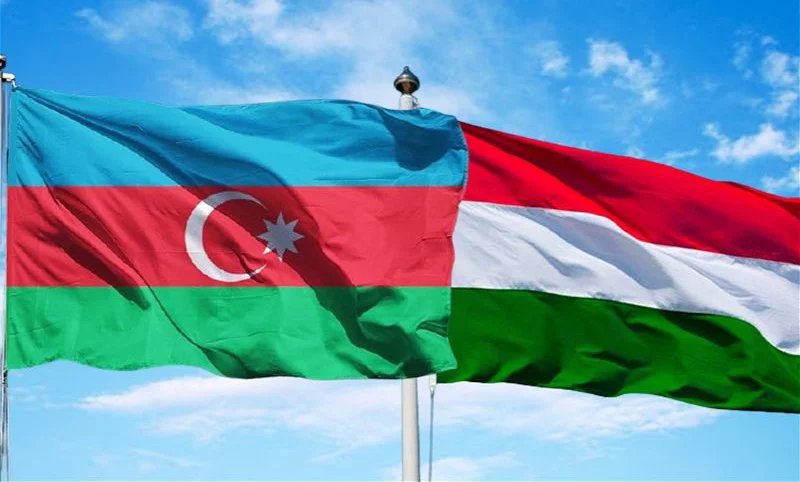
This pragmatic outlook is particularly evident in Hungary’s relationship with Azerbaijan. Energy cooperation and broader engagement within the Turkic world have established Azerbaijan as an important strategic partner for Hungary. These ties are grounded in mutual interests and are expected to remain stable going forward.

Source: APA
The strong working relationship previously seen between Viktor Orbán and Azerbaijani President Ilham Aliyev contributed to the depth of bilateral engagement. While leadership styles and diplomatic tone may naturally evolve over time, the underlying strategic logic of cooperation is expected to remain consistent.
Ultimately, Hungary’s political transition reflects a process of adaptation rather than disruption. Domestic economic adjustments, evolving relations within the European Union, and a steady commitment to strategic partnerships all point to continuity shaped by refinement.
(If you possess specialized knowledge and wish to contribute, please reach out to us at opinions@news.az).


Similar news