Hyatt merger talk grows after leadership shift at hotel group


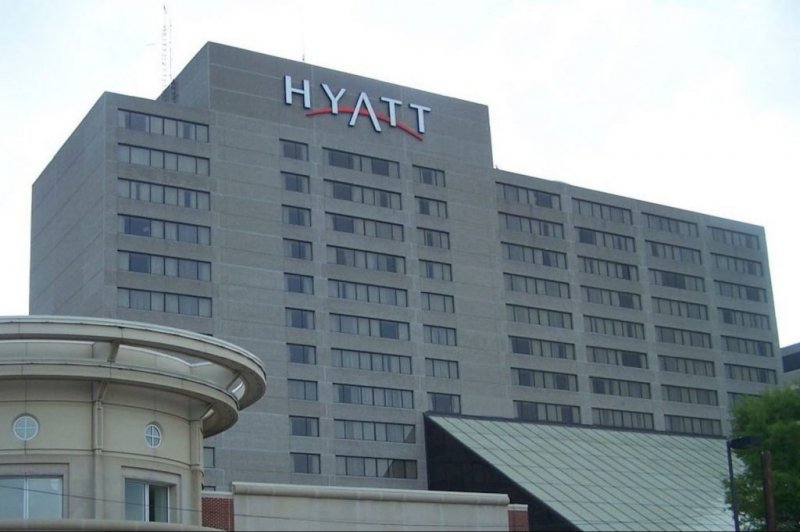
Speculation about a possible major merger in the global hotel industry has intensified following a leadership change at Hyatt Hotels Corporation.
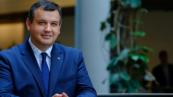
Thomas Pritzker has stepped down as Executive Chairman, a move analysts say could slightly increase the likelihood of a future sale of the company, News.az reports, citing BBC.
Despite the shift, the Pritzker family still holds nearly 89% of voting power through a multi-class share structure, meaning any deal would require their approval.
Analysts at Bernstein say the transition may reduce long-standing barriers to a takeover, even if a deal is unlikely in the near term due to tight financial conditions.
Hyatt, which operates about 1,450 hotels globally, is seen as an attractive acquisition target because of its strong presence in the luxury and lifestyle segments. Its smaller size compared with rivals makes it more manageable for a potential buyer.
By contrast, larger competitors such as Marriott International and Hilton Worldwide Holdings each oversee more than 9,000 properties worldwide.
Some analysts suggest Hilton could consider a takeover to strengthen its position in the high-end market, although such a deal would likely face significant regulatory scrutiny.
Hyatt’s appeal is also linked to its strong performance metrics, including revenue per available room and growth in hotel units, as well as its loyal base of high-income customers.
The company has also shifted towards an “asset-light” model, selling off many owned properties while focusing on management and franchise operations. However, it continues to trade at a slight discount compared with similar companies.
Analysts say this valuation gap, combined with Hyatt’s footprint in fast-growing regions such as Asia-Pacific, increases its attractiveness to potential buyers.
While there is no indication that a deal is imminent, the leadership change has prompted renewed discussion about whether Hyatt could eventually abandon its long-standing position as an independent operator.
By Faig Mahmudov


Similar news