Indonesia stands firm on BRICS membership despite US tariff threat


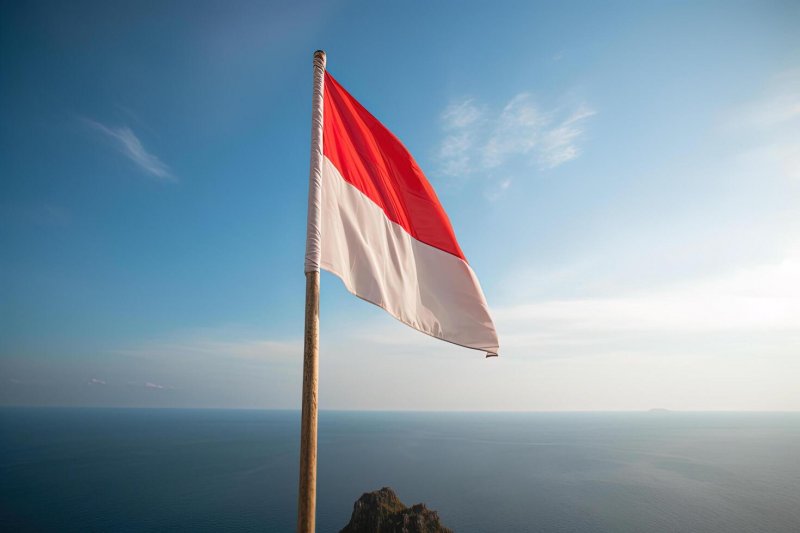
Indonesia has confirmed it will remain part of the BRICS bloc, even if the United States follows through with a 10 percent tariff on member nations.
State Secretary Prasetyo Hadi said Jakarta is prepared to accept the consequences of its decision to join BRICS, which Indonesia entered as its 10th member earlier this year, News.Az reports, citing The Jakarta Globe.
“We see this as part of the consequences of joining BRICS, and we will have to face it,” Prasetyo told reporters late Wednesday in Jakarta.
Indonesia is already facing a 32 percent tariff from the US on its goods starting August 1, on top of the existing 10 percent baseline. If Washington proceeds with the additional 10 percent tariff on BRICS members, Indonesia’s exports to the US would be subject to a 42 percent trade barrier, adding further pressure to Southeast Asia’s largest economy as it tries to safeguard its trade flows while deepening ties within BRICS.
Prasetyo said the tariffs are not final, and that Indonesia has dispatched its Chief Economic Affairs Minister, Airlangga Hartarto, to Washington for negotiations with the US Trade Representative’s Office.
In a gesture aimed at easing tensions, Indonesia’s state-owned energy giant Pertamina, through its refining subsidiary Kilang Pertamina Internasional, signed memoranda of understanding this week with ExxonMobil, Chevron, and KDT Global Resources. These deals form part of Indonesia’s broader plan to deepen economic engagement with the US, which includes potential agreements worth up to $34 billion, featuring $15.5 billion in energy imports.
“We believe what we have offered to the US government already addresses many of their concerns,” Prasetyo said, adding that Indonesia would continue to pursue negotiations if the current proposals are rejected.
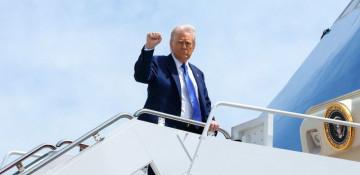
President Donald Trump has warned that the US will impose the extra levy, on top of a 10 percent baseline tariff, against BRICS nations if they continue what he called “anti-American policies,” including efforts to use local currencies instead of the dollar for intra-group trade. The so-called dedollarization push has drawn sharp criticism from the US, with Trump accusing the bloc of undermining the global financial system.


Similar news