Initial results of Brazil's 2024 municipal elections


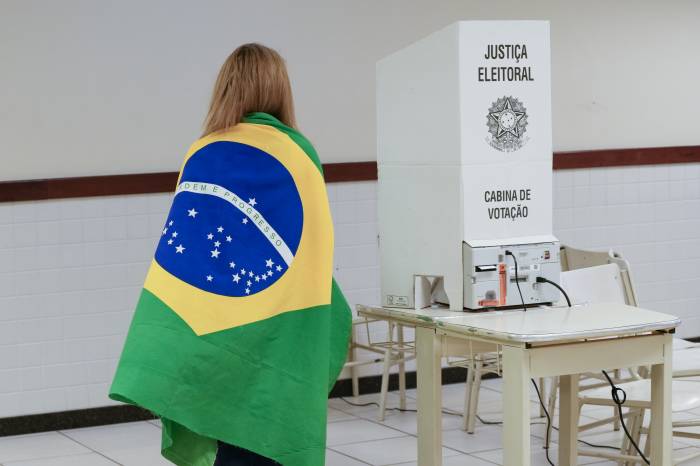
On October 6, 2024, Brazil held the first round of municipal elections, where mayors, deputy mayors, and city councilors were elected in 5,570 municipalities across the country. These elections are seen as a key indicator of the political landscape, particularly in the ongoing battle between left and right-wing parties, symbolized by President Luiz Inácio Lula da Silva and former President Jair Bolsonaro. In this article, we’ll explore the key results and emerging political trends.
Election results in major citiesSão Paulo
In São Paulo, Brazil's largest city, no candidate secured an outright majority, meaning a second round will
be held on October 27, 2024. The incumbent mayor, Ricardo Nunes, representing the center-right, took the lead with 29.48% of the vote. However, his main competitor, Guilherme Boulos, who is backed by President Lula, was close behind with 29.07%. The upcoming runoff will be a significant test of the division between centrist and left-wing preferences in this metropolis.
Interestingly, Pablo Marçal, a controversial far-right candidate, failed to make it to the second round, finishing in third place. His defeat could signal a gradual decline in support for radical right-wing movements, despite their successes in other municipalities.
Rio de Janeiro
In Rio de Janeiro, the elections were wrapped up in the first round. The incumbent mayor, Eduardo Paes, was re-elected with 60.47% of the vote, avoiding a runoff. Paes, who received support from President Lula, demonstrated strong popularity among the city's voters.
Upcoming second rounds in other cities
In other major cities like Porto Alegre, Belo Horizonte, Belém, and Manaus, a second round will be necessary as no candidate secured a majority. This creates a political battleground as candidates scramble to form alliances and appeal to voters.
In Salvador, the incumbent mayor, Bruno Reis, was re-elected with an overwhelming 78% of the vote, underscoring his dominance and popularity in the city.
Political balance of power
The 2024 municipal elections showed significant gains for right-wing forces, particularly those aligned with former President Jair Bolsonaro. His party made considerable inroads in various municipalities, demonstrating that Bolsonaro’s influence remains strong, even after losing the presidency.
These elections highlight the ongoing tug-of-war between left and right political forces, with President Lula and Bolsonaro as the key figures. The battle between them is not only playing out at the federal level but also shaping the future of local governance across Brazil.
Key issues and trends
A troubling aspect of the election campaign was the instances of violence and misinformation, particularly in São Paulo, where voters faced a wave of fake news and aggressive rhetoric. Additionally, despite the country grappling with massive wildfires and droughts, environmental issues were largely absent from the election debates, raising concerns among activists and experts.
One notable trend was the significant presence of transgender politicians running for office. Nearly 1,000 transgender candidates vied for various positions nationwide. This marks a shift towards greater inclusivity and political participation in Brazil, even as the LGBTQ+ community continues to face challenges.
The first round of Brazil’s 2024 municipal elections revealed a growing right-wing presence in many regions, alongside the continued strength of left-wing forces in the nation’s largest cities. The second round, particularly in key cities like São Paulo, will be crucial in determining the direction of local governance.
These elections offer important insights into the country's political climate ahead of future federal elections, where the rivalry between Lula and Bolsonaro is likely to intensify.


Similar news