Iran raises gas tariffs, resumes mazut use


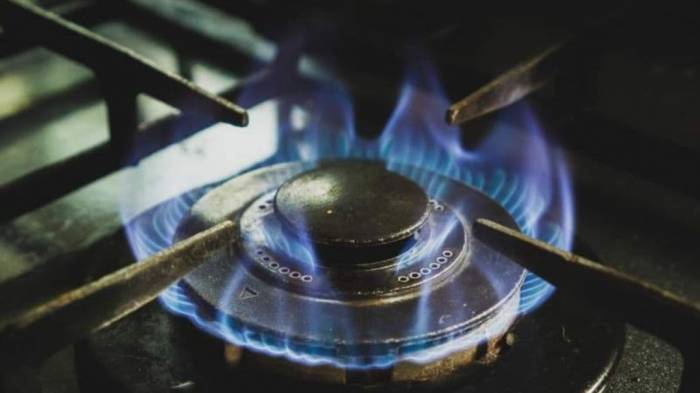
Photo: Iran International
The Iranian government has announced measures to address the country’s ongoing energy crisis, including a hike in household gas tariffs and the controversial decision to use mazut in power plants.
A resolution by the Economic Council, published Sunday, instructed the Ministry of Oil to create household gas tariffs designed to discourage overconsumption. The move includes categorizing more households as high-consumption users, News.Az reports, citing Iranian media.“The Ministry of Oil must ensure these tariffs have evident deterrent effects for excessive and unnecessary consumption,” the resolution read.
The tariff changes come alongside scheduled power outages initiated on November 10 due to insufficient fuel reserves. The government had halted mazut burning at select power plants but now plans to restart its use across industries and provincial power stations, sparking public health and environmental concerns.
Citizens, who already contend with heavily subsidized but rising energy costs, now face worsening air quality as mazut—a fuel laden with sulfur and toxins—fills the gap left by dwindling natural gas supplies.
Iran’s decision to calculate residential gas tariffs comes as part of broader fiscal policies to generate additional revenue. Under the new structure, commercial tariffs will also rise, with calculations based on recent peak rates.
This mismanagement, coupled with a 36% decline in mazut and diesel reserves compared to last year, has pushed Iran’s electricity grid to a critical juncture. Reports indicate that natural gas supplies to power plants in November have plummeted by 30% year-on-year, leaving thermal power stations—responsible for 80% of Iran’s electricity generation—dependent on low quality mazut.
The use of mazut exacerbates air pollution. High levels of particulate matter from mazut burning increase the prevalence of respiratory and cardiovascular diseases.


Similar news