Iran receives Chinese air defense systems amid Israeli strike threats


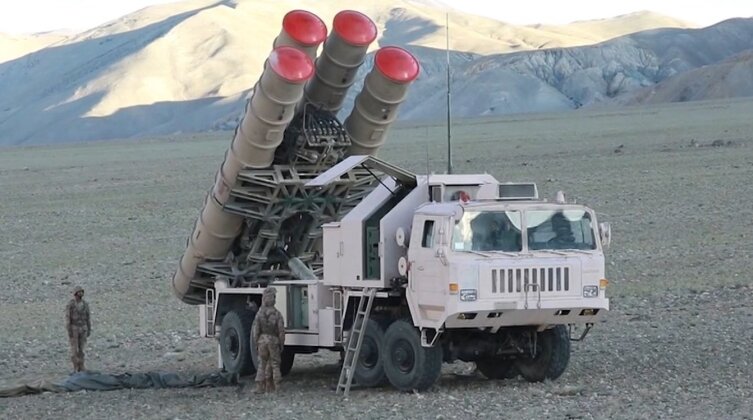
Iran has received an emergency airlift of advanced Chinese air defence systems as tensions with Israel escalate, according to regional sources.
The move comes amid growing concerns in Tehran over the vulnerability of its airspace, especially after Israeli and American stealth aircraft penetrated deep into Iranian territory during a series of strikes last month, News.Az reports, citing foreign sources.
Reports suggest that two Chinese military transport aircraft landed in Iran in recent weeks, delivering long-range surface-to-air missile systems, likely the HQ-9B, designed to counter threats from modern fighter jets and cruise missiles. The deliveries, reportedly coordinated with Chinese surveillance ships operating nearby, mark a rare show of active military cooperation between Beijing and Tehran.
An unnamed Arab official told local media that Iran was urgently "backing up and reinforcing" its air defence capabilities and that the development had been communicated to the United States. The urgency follows Israeli F-35I and U.S. B-2 stealth bombers reportedly conducting deep strikes inside Iran between June 13 and 24. Israeli officials have since hinted at the possibility of further attacks aimed at disrupting Iran’s ballistic missile production.
While Iran has long relied on Russian S-300PMU-2 systems and its domestically developed Bavar 373 platform, both have shown limitations against modern threats, prompting speculation that Tehran sought outside support to address critical gaps in its air defence network.
Despite its historically cautious approach to defence ties with China, Iran now appears to be shifting course. In contrast to its regional ally Pakistan—which has extensively modernized its forces with Chinese help—Iran had previously refrained from major arms purchases. That seems to be changing, as the new Chinese systems reportedly offer quick integration with Iran’s existing Soviet and Russian-made platforms, allowing for a faster boost in readiness without the lengthy pilot and crew training required for new fighter aircraft.
The HQ-9B and other systems delivered are believed to complement Iran's existing network by enhancing radar coverage, extending interception ranges, and improving targeting data integration. Analysts suggest this could significantly improve Iran’s ability to respond to any further Israeli or U.S. airstrikes.
Beijing’s support also reflects geopolitical alignment. China, increasingly at odds with Western powers, has a strategic interest in preventing regime change in Tehran that could tilt the regional balance in favor of Washington and its allies.
Although the long-term impact of these deliveries remains uncertain, military experts say the technological strength of China’s defence industry could make this emergency aid a game changer if further hostilities erupt in the region.


Similar news