Iran set to buy 48 Russian Su-35 fighter jets, leaks suggest


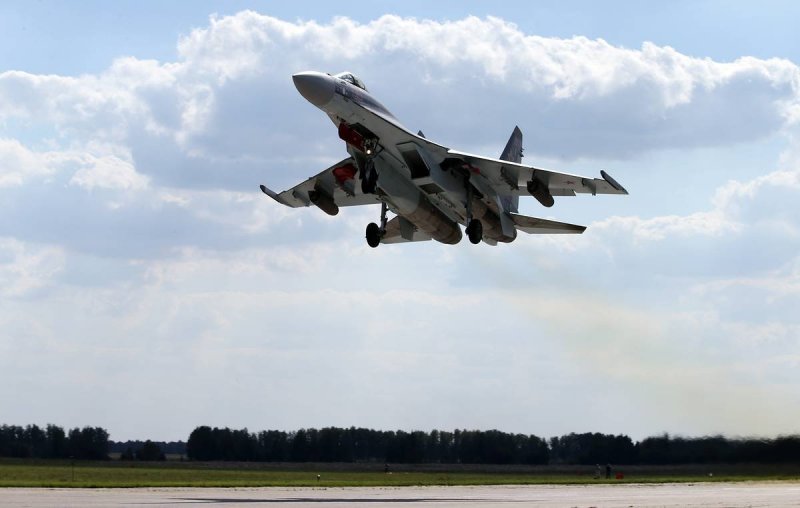
Alleged leaks from Rostec, Russia’s state defense conglomerate, indicate that Iran may be preparing to acquire 48 Sukhoi Su-35 fighter jets from Moscow, News.Az reports, citing Newsweek.
If confirmed, the deal could be one of Russia’s largest arms exports since the start of Moscow's war against Kyiv.
According to Newsweek, the documents, which have surfaced online, indicate that Tehran intends to purchase 48 of the advanced aircraft. The move could significantly modernize its air force and deepen military cooperation between Iran and Russia as Tehran faces escalating confrontation with the United States and Israel, while Moscow continues its standoff with the West.
The leaked Rostec files, reportedly released on October 2 by the hacker group Black Mirror, include over 300 internal documents detailing export contracts, pricing and delivery schedules.
Screenshots of these documents have been circulating across X, Telegram and OSINT communities. Defense media outlets, including Army Recognition and Defence Security Asia, have reported that customer code “364” in these documents corresponds to Iran, indicating a potential order of 48 Su-35 multirole fighter jets.
#BREAKING 🇮🇷🇷🇺⚡- Leaked Rostec document shows Iran ordered 48 Su-35s for 2026–28 (15% advance), plus 24 L-265M10-02 Khibiny-M EW kits — allegedly swapped for on-shores Shahed-136 production in Russia. pic.twitter.com/01qFM3Wt5H
— Monitor𝕏 (@MonitorX99800) October 3, 2025
The documents suggest that this acquisition will be integrated with advanced electronic warfare and avionics packages developed by KRET, a major subsidiary of Russia’s Rostec Corporation.
One entry, labeled “Code 364,” outlined the $686 million program—with deliveries scheduled to occur in phases over 16 to 48 months, meaning the first aircraft could arrive as early as 2026 and the final batch by 2028. The program includes Khibiny-M electronic warfare systems to enhance defensive and countermeasure capabilities. Army Recognition said that while the materials remained unverified, their formatting and terminology closely resembled authentic Rostec documentation.


Similar news