Iraq’s new leader faces toughest test yet over Iran-backed militias


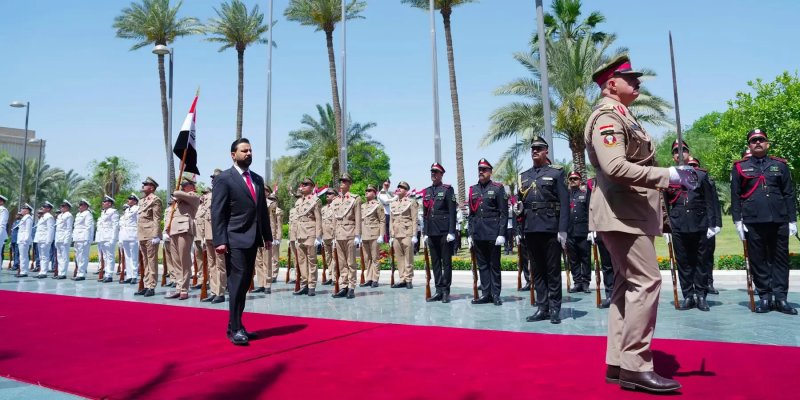
Iraqi billionaire Ali al-Zaidi has been confirmed as Iraq’s new prime minister six months after elections, emerging as a figure accepted by Washington, Tehran and Iraq’s deeply divided political establishment. Alongside economic and social challenges, Zaidi now faces mounting pressure over the future of Iran-backed militias operating outside state control.
The new premier is expected to balance competing demands from Iran, the United States and Iraq’s own political forces, each holding sharply different views on the militias’ future. Tehran wants the groups strengthened, Washington seeks to curb their influence, while Baghdad aims to avoid confrontation and maintain stability, News.Az reports, citing Responsible Statecraft.
Many of the militias gained legitimacy during the fight against داعش, when they were seen by many Iraqis as key forces preventing state collapse. Over time, however, several groups expanded their influence into politics, business networks, border crossings and state institutions.
RECOMMENDED STORIES
Iran reportedly considers the militias a central pillar of its regional influence. Recent visits to Baghdad by Islamic Revolutionary Guard Corps Quds Force commander Esmail Qaani reflected Tehran’s efforts to preserve the position of armed factions within Iraq’s political system. According to reports, Iranian officials warned against any moves to weaken or restructure the Popular Mobilization Forces.
The United States, meanwhile, views Zaidi as a more pragmatic figure than openly pro-Tehran politicians. Washington’s support is reportedly tied to expectations that Iraq will place tighter controls on militia-linked financial and political networks.
Former Prime Minister Haider al-Abadi has reportedly advised Zaidi against direct confrontation with the armed groups, warning that aggressive measures could destabilize the country. Instead, Iraqi political figures are said to favor gradual integration and political dialogue.
Analysts note that many militia fighters still rely on these groups for salaries and livelihoods, making rapid dismantling unrealistic. At the same time, Iraq’s political establishment fears that any sudden attempt to challenge the militias could trigger internal unrest or political paralysis.
Zaidi, a businessman with limited political experience, now finds himself navigating between competing regional powers while trying to preserve Iraq’s fragile stability. Observers say his ability to balance relations with Tehran, Washington and Iraq’s internal factions could determine the future direction of the country.
By Leyla Şirinova


Similar news