Israel rejects pullout from Lebanon following US-Iran accord


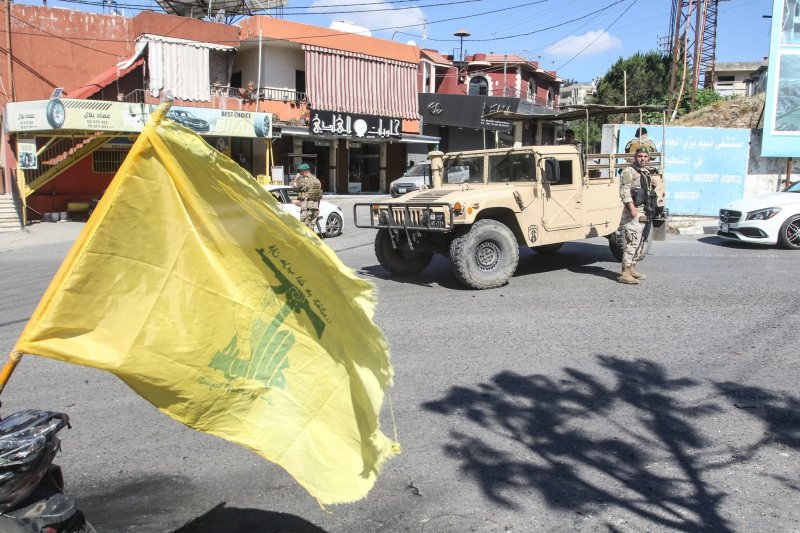
Israel’s Defence Minister Israel Katz said on Monday that Israeli forces will remain in the areas they occupy in southern Lebanon and Syria despite the U.S.-Iran peace agreement, adding that those zones would be “cleared” of local populations and warning of strikes on Iran if it retaliates.
Israeli Defense Minister Israel Katz said on Monday that the army will maintain its occupation of southern Lebanon and Syria as well as the Gaza Strip regardless of the peace agreement signed between Washington and Tehran, rejecting international calls for withdrawal, News.Az reports, citing Yeni Şafak.
RECOMMENDED STORIES
Katz stated that Israel opposes the withdrawal of its forces from Lebanon "despite all current and future pressures," according to a statement released by his office. He added that areas under Israeli control in southern Lebanon would be "cleared" of the local population, and noted that Prime Minister Benjamin Netanyahu had conveyed this position to US President Donald Trump and other senior American officials.
The defense minister warned that Israel would attack Iran "with all our might" if Tehran launched strikes against Israel because of developments in Lebanon. "I also clearly conveyed this to US Defense Secretary Pete Hegseth," he said, emphasizing that Tel Aviv would not bend to external pressure regarding its military presence.
Israeli National Security Minister Itamar Ben-Gvir also criticized the US-Iran agreement, stating that "Trump's agreement does not bind" Israel. His comments underscored the Israeli government's refusal to comply with the withdrawal provisions outlined in the Washington-Tehran deal.
Despite the announcement of the peace agreement, the Israeli army continued to launch airstrikes in southern Lebanon on Monday. The attacks have killed over 3,700 people, wounded nearly 11,500, and displaced over 1.5 million since March 2, according to Lebanese officials.
US President Donald Trump declared on Sunday that the peace deal had been completed, including provisions to halt war on all fronts, reopen the Strait of Hormuz, and end the US naval blockade on Iran. Israeli officials have rejected the agreement's implications for their operations in Lebanon and Syria.
By Ulviyya Salmanli


Similar news