Japan to get Axiom Space subsidiary


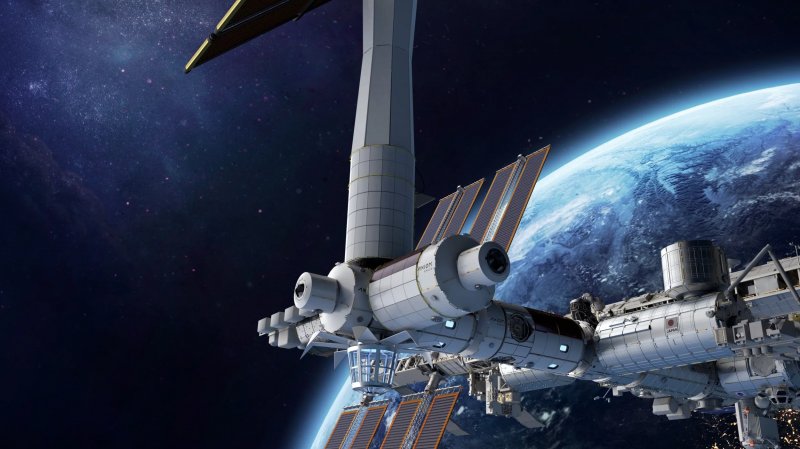
U.S. space company Axiom Space announced on Thursday that it will launch a fully owned subsidiary in Tokyo on July 1 to strengthen partnerships with Japan’s government and industries in preparation for its planned commercial ISS replacement.
Japanese astronaut Koichi Wakata, who joined Axiom Space in 2024 as chief technology officer after retiring from the Japan Aerospace Exploration Agency (JAXA), will act as representative for the new subsidiary, News.Az reports, citing The Japan Times.
RECOMMENDED STORIES
“At a time when the partnership between Japan and the United States is more important than ever, I feel deeply honored to help with this launch,” Wakata said.
The new entity will serve as the company’s gateway into the Asia-Pacific region and expand partnerships related to human spaceflight, research and manufacturing in low Earth orbit, company president and CEO Jonathan Cirtain said at a news conference in Tokyo on Thursday.
“Japan is an indispensable partner in human space exploration and a global leader in the emerging space economy,” Cirtain told reporters.
“This subsidiary builds upon decades of U.S.-Japan cooperation in space and reflects our commitment to advancing that partnership even further.”
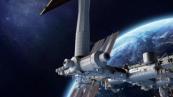
The Texas-based company has conducted four private astronaut missions to the ISS involving participants from 11 countries and more than 160 research payloads. NASA selected Axiom Space for a fifth mission due to take place in 2027, while the company is targeting 2028 for the launch of the first module of Axiom Station, the world’s first commercial space station.
The company hopes to use Japan as a supply chain and research partner for the station, including sourcing spacecraft and research components from Japanese companies.
Cirtain said Axiom Space expects the station to become operational in late 2029, and aims to have four astronauts stationed there by 2030. He also told reporters that he hopes Japanese astronauts will participate in missions aboard the future commercial station, though positions for Japanese astronauts specifically would not be formally reserved.
Wakata told reporters that he and Cirtain had met this week with officials from Japan’s Cabinet Office, defense and education ministries, and JAXA, as well as companies including Mitsubishi Heavy Industries, Mitsubishi Electric, NEC and Mitsui to discuss future opportunities for cooperation.
Cirtain said the new local presence would provide the legal and operational framework needed to work more closely with Japanese government agencies, research institutions and industrial partners, while also strengthening broader international cooperation in human spaceflight.
By Ulviyya Salmanli


Similar news