Moon city first: SpaceX delays Mars push, Musk says


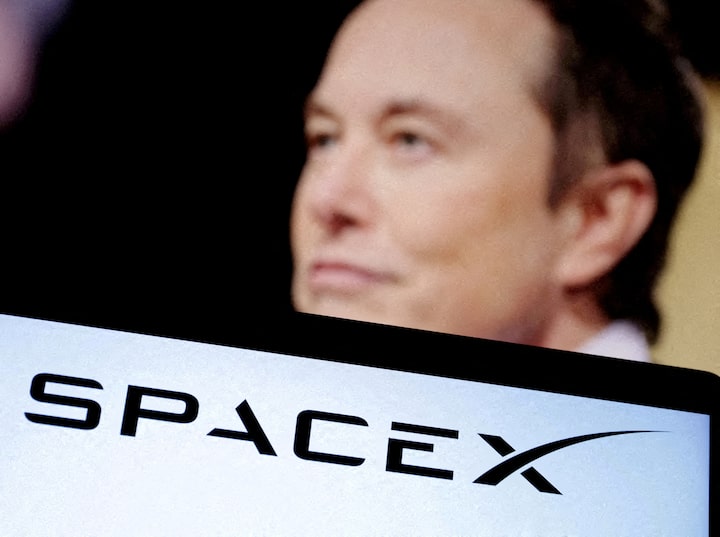
SpaceX is shifting its near-term space ambitions, placing plans for a “self-growing city” on the Moon ahead of its long-discussed mission to build a settlement on Mars, CEO Elon Musk said.
According to Musk, a lunar city could realistically take shape within the next decade. While the company still aims to begin work toward a Mars city within five to seven years, he emphasized that securing humanity’s long-term future requires faster progress — and the Moon offers a closer, more achievable starting point, News.Az reports, citing Reuters.
The comments align with recent reports that SpaceX has informed investors about prioritizing lunar development while delaying timelines for Mars exploration. The company is now targeting March 2027 for an uncrewed landing mission to the Moon, marking a major step toward permanent infrastructure there.
RECOMMENDED STORIES
The shift represents a notable change from Musk’s earlier timeline. As recently as last year, he suggested an uncrewed Mars mission could launch by the end of 2026. However, technical challenges, cost factors, and strategic urgency appear to be pushing the Moon to the front of the roadmap.
The renewed lunar focus also comes amid growing global competition. The United States and China are both racing to return humans to the Moon this decade. No human has walked on the lunar surface since NASA’s Apollo 17 mission in 1972, making upcoming missions historically significant.
At the same time, SpaceX is expanding beyond rockets. Musk recently announced that SpaceX acquired artificial intelligence company xAI — which he also leads — in a deal valuing SpaceX at about $1 trillion and xAI at roughly $250 billion. Supporters say the move could accelerate plans for space-based data centers, which Musk believes could be more energy-efficient than Earth-based facilities as global demand for AI computing power surges.
Financially, SpaceX is also preparing for a potentially historic public offering later this year, with expectations it could raise up to $50 billion. If achieved, it would rank among the largest IPOs ever.
Meanwhile, Musk continues reshaping his other major company, Tesla. After helping build the global electric vehicle market, Tesla is now investing heavily in autonomous driving and robotics. The company plans to spend about $20 billion this year to accelerate that transition. To support the shift, Tesla recently ended production of two vehicle models at its California factory to free up capacity for manufacturing Optimus humanoid robots.
Taken together, these moves show Musk doubling down on technologies he believes will define the future — from AI and robotics to permanent human presence beyond Earth. For now, that future appears to start closer to home, with the Moon becoming the next major stepping stone for humanity’s expansion into space.
By Aysel Mammadzada


Similar news