How poverty is stealing childhoods in Afghanistan


On June 12, the world marks World Day Against Child Labor, a day dedicated to raising awareness about the millions of children whose childhoods are consumed by work instead of education.
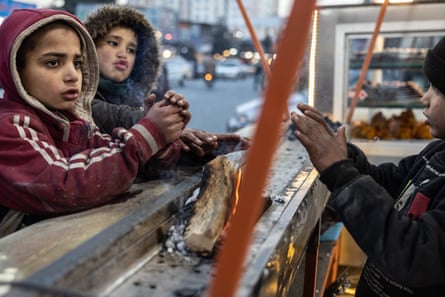
In Afghanistan, where years of conflict, economic hardship and widespread poverty have left families struggling to survive, child labor has become a visible and painful reality. Across the country, children can be seen carrying bricks, selling goods in crowded markets, washing cars, working in workshops and performing other labor-intensive jobs that would be difficult even for many adults, News.az reports.
RECOMMENDED STORIES
Behind these scenes are stories of children whose dreams have been overshadowed by the daily fight for survival. Many of them want to attend school, learn new skills and build a better future, but their families depend on the income they bring home. For some, a few dollars earned during a long day of work can mean the difference between having food on the table and going hungry.
The stories of children such as 10-year-old Sulaiman and 15-year-old Sediqullah highlight the human cost of Afghanistan's economic crisis. Their experiences reveal not only the challenges facing millions of young Afghans but also their resilience, determination and enduring hope for an education. This explainer looks at the lives behind the statistics and examines why so many Afghan children are being forced to trade classrooms for workplaces.
Who is Sulaiman?
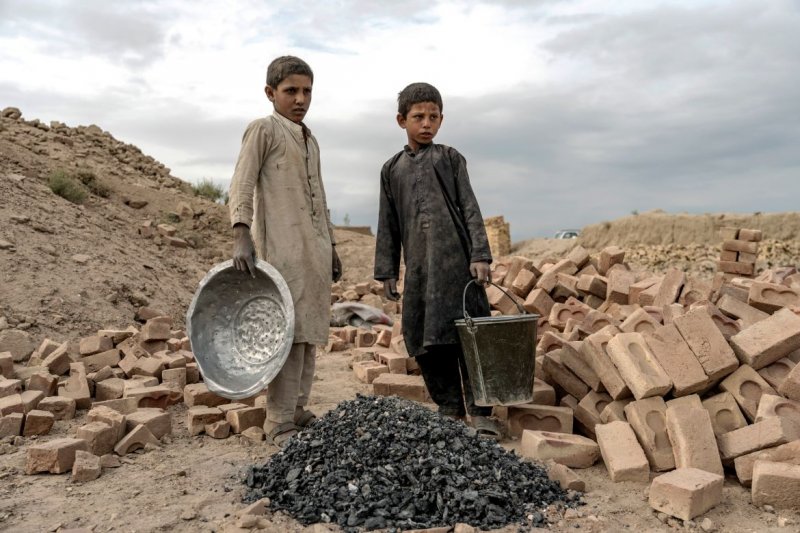
Ten-year-old Sulaiman should be spending his mornings preparing for school, carrying notebooks and dreaming about what he wants to become when he grows up. Instead, his day begins before sunrise at a brick kiln, where he works alongside adults in harsh conditions.
Covered in dust from head to toe, Sulaiman spends hours arranging heavy bricks under the scorching sun. The work has already left visible marks on his young body. His hands are rough and calloused, and his physical development has been affected by years of labor and poor nutrition. While children of the same age are learning mathematics, reading books and playing with friends, Sulaiman's childhood revolves around earning money to help his family survive.
Despite the hardships, he has not abandoned his dreams. He still imagines what it would be like to wear a school uniform, sit in a classroom and receive an education. However, poverty has left him with little choice. His family depends on every small contribution he can make, forcing him to trade lessons for labor and textbooks for bricks.
Why are Afghan children being forced to work?
For many families in Afghanistan, child labor is not a choice but a desperate survival strategy. Years of conflict, economic collapse, unemployment and widespread poverty have left millions of households struggling to secure enough food for their next meal.
Parents who are unable to find work often turn to their children for help. In many cases, children become secondary breadwinners or even the primary source of income. Families facing mounting debts, rising food prices and limited economic opportunities are forced to make heartbreaking decisions between education and survival.
The situation has worsened as economic hardships continue to affect communities across the country. Many parents understand the importance of education and want their children in school, but immediate needs such as food, medicine and shelter often take priority. As a result, children leave classrooms and enter workplaces long before they are physically or emotionally prepared.
What kind of work do these children do?
Across Afghanistan, children can be seen working in almost every sector of the informal economy. Some work in brick factories, carrying and arranging heavy loads for long hours. Others sell goods on crowded streets, shine shoes, wash cars or collect recyclable materials to earn a few coins.
Many children also work in workshops where they repair metal products, sew garments or assist skilled laborers. Construction sites frequently employ children to carry materials, while others work in agricultural fields or even dangerous mining operations.

These jobs often expose children to serious risks. They work long hours, handle hazardous materials, suffer injuries and miss out on education. The physical demands can damage their health, while the psychological burden of supporting a family at such a young age can leave lasting emotional scars.
How serious is the hunger crisis?
The hunger crisis in Afghanistan is one of the major drivers of child labor. Millions of families struggle to obtain enough food, and many children suffer from malnutrition and stunted growth.
For families living on the edge of survival, every source of income matters. Even a few dollars earned by a child can help purchase bread, cooking oil or medicine. In households facing severe food shortages, sending a child to work may seem like the only option available.
The effects of hunger extend beyond empty stomachs. Malnutrition weakens children's immune systems, affects brain development and reduces their ability to learn. Combined with labor-intensive work, food insecurity creates a cycle of poverty that becomes increasingly difficult to escape.
What is Sediqullah's story?
Fifteen-year-old Sediqullah spends his days standing on a busy street corner in Kabul selling plastic bags. His life changed dramatically when his father died from cancer six years ago. Since then, the responsibility of supporting the household has fallen largely on his shoulders.
Every day he works long hours to provide food for his mother and three sisters. The money he earns is modest, but it represents the difference between eating and going hungry for his family. The burden of being the sole breadwinner at such a young age has forced him to mature far beyond his years.
Yet Sediqullah has not lost hope. He speaks passionately about his desire to attend school and gain an education. He understands that education could transform his future, but he also knows that leaving work would leave his family without support. This painful dilemma captures the reality faced by countless Afghan children who dream of learning but are trapped by poverty.
How are girls affected by child labor?
While boys are often more visible in public workplaces, girls are also heavily affected by economic hardship. Many families rely on daughters as well as sons to contribute financially or assist with household responsibilities.
Some girls work alongside family members in markets, workshops or agricultural settings. Others remain hidden from public view, helping with home-based production, caregiving duties or other forms of labor that often go unrecognized.
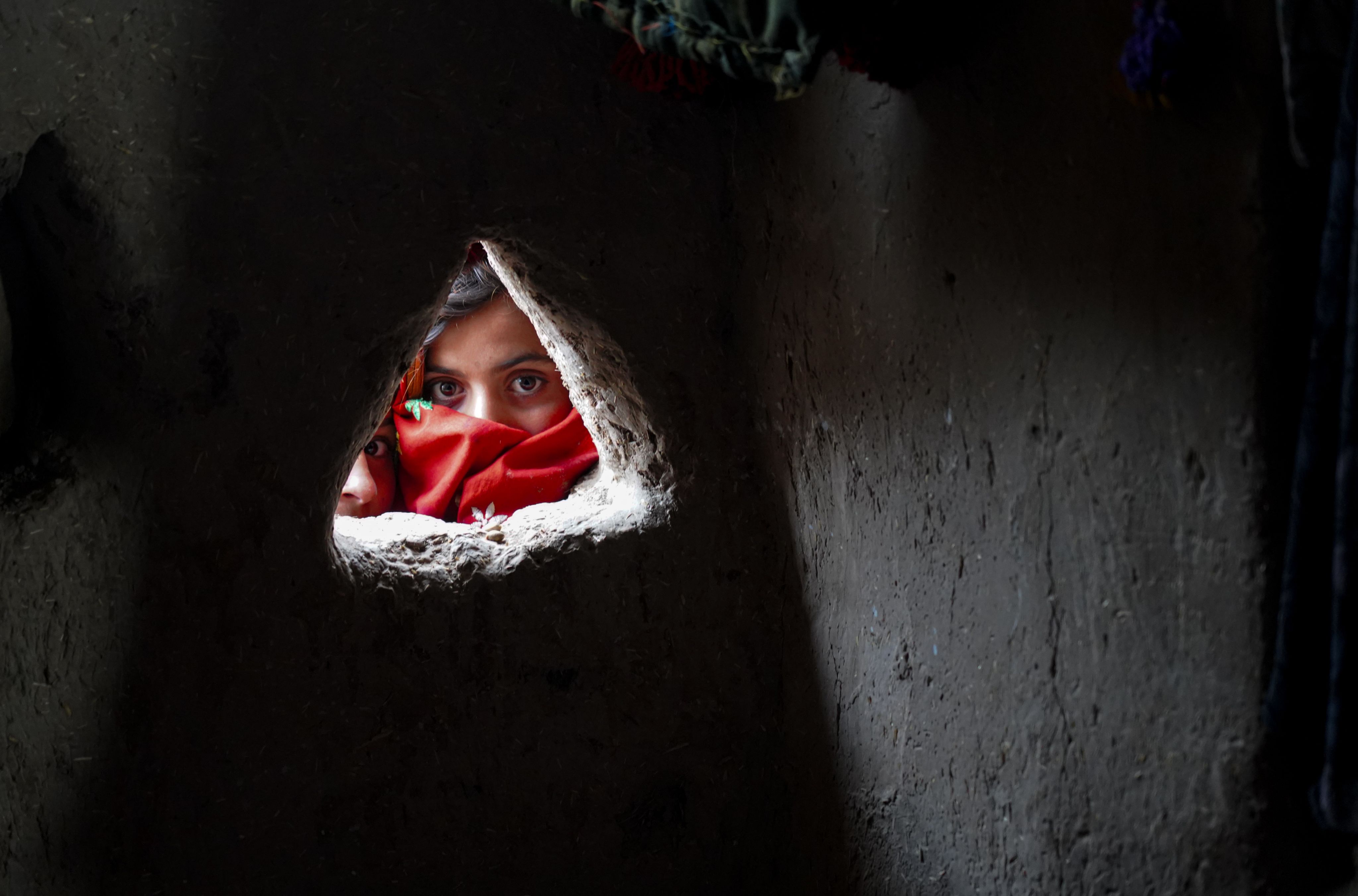
The consequences can be particularly severe. Girls who leave school to work face reduced educational opportunities and fewer chances to pursue professional careers in the future. For many families, however, survival takes precedence over long-term aspirations, leaving young girls with limited choices.
What do these children dream about?
One of the most striking aspects of these stories is that many working children continue to dream about education. Despite spending their days in factories, markets and workshops, they still imagine a different future.
Sulaiman dreams of attending school and learning to read and write. Sediqullah hopes to return to education one day and build a better life for his family. Parents such as Zahidullah continue to imagine their children becoming doctors, engineers and professionals who can contribute to Afghanistan's future.
These dreams reveal that child labor is rarely accepted willingly. Most children understand the value of education and desperately want the opportunities that schooling can provide. Their aspirations remain alive even as economic realities force them into adulthood far too soon.
Can the situation improve?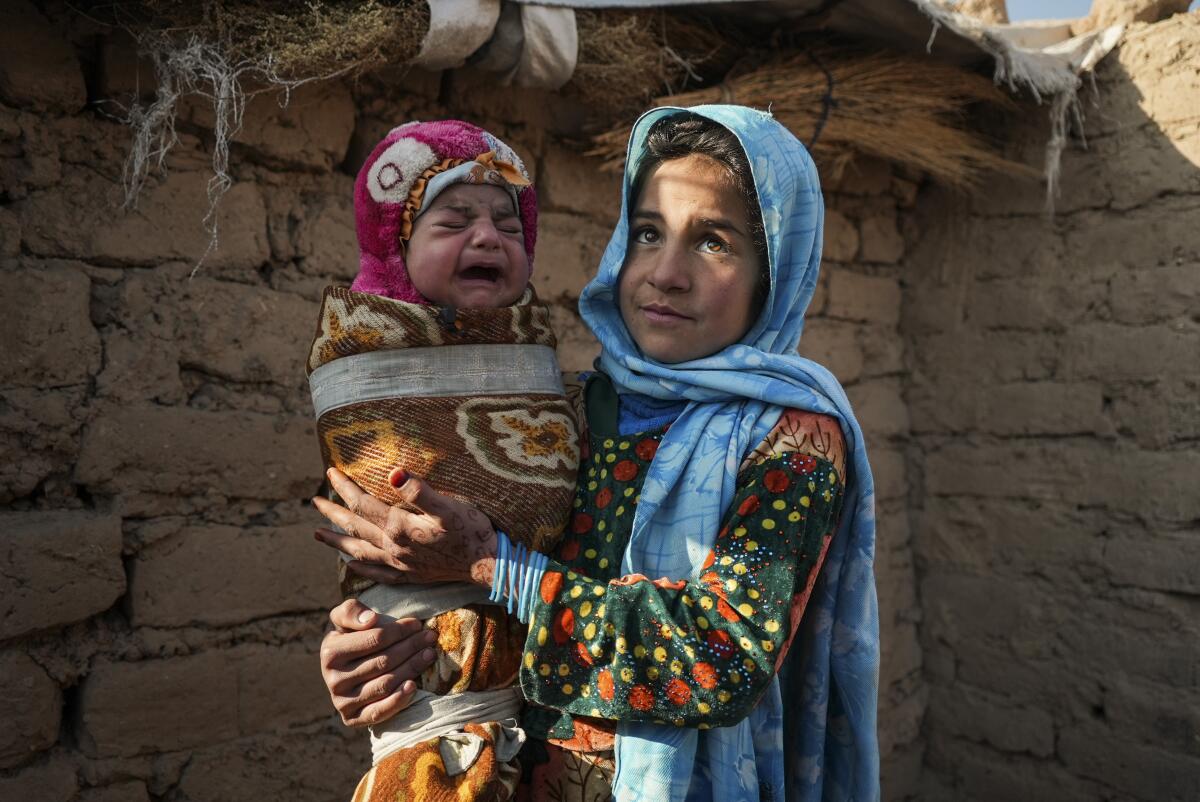
Efforts are being made to support vulnerable children through educational and social assistance programs. Training centers and welfare initiatives aim to provide protection, education and essential services for children who are most at risk.
However, the scale of the challenge remains enormous. Millions of families continue to face poverty, unemployment and food insecurity. Lasting progress will depend on broader improvements in economic conditions, increased access to education and stronger support systems for vulnerable households.
For children like Sulaiman and Sediqullah, the hope is simple. They want the chance to exchange hard labor for classrooms, uncertainty for opportunity, and survival for a future built on education. Until that happens, their stories will continue to reflect the harsh reality facing countless children across Afghanistan.
By Faig Mahmudov


Similar news