Oil steadies as rising US inventories offset trade tension easing


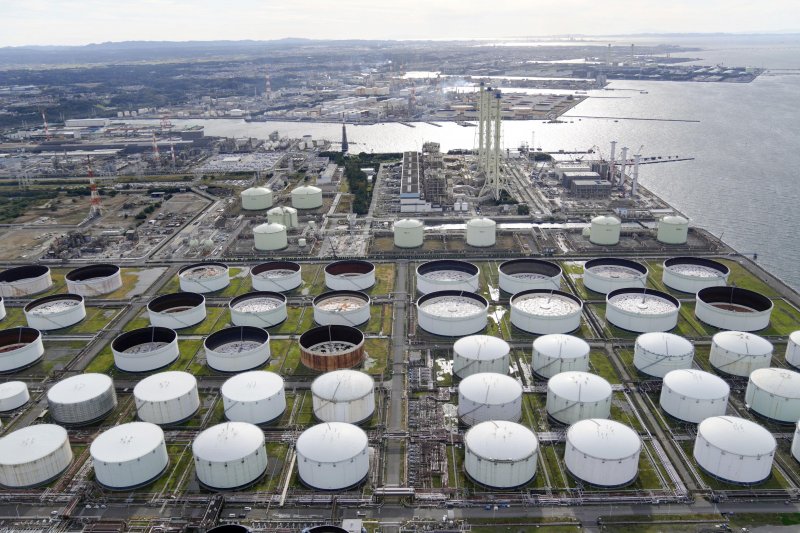
Oil prices steadied on Wednesday as traders weighed signs of rising US crude inventories against easing trade tensions between the world’s two largest economies.
Brent crude traded above $64 a barrel after recovering from earlier losses, while West Texas Intermediate (WTI) hovered near $61, News.Az reports, citing Bloomberg.
Data from the American Petroleum Institute showed US crude inventories rose by 6.5 million barrels last week — which, if confirmed by official figures later Wednesday, would mark the biggest increase since July.
Meanwhile, China confirmed it would cancel tariffs on US farm goods, signaling further de-escalation in the prolonged trade dispute between Beijing and Washington that has dampened market sentiment for months.
Brent crude has fallen almost 15% this year as increased production from OPEC+ and non-member nations amplified concerns that a global glut would form. The alliance — led by Saudi Arabia and Russia — announced another modest rise in supply for December at a meeting last weekend, while also signaling a pause in further increases in the first quarter of 2026.
Elsewhere, traders were monitoring attacks on Russian infrastructure, after Ukrainian President Volodymyr Zelenskiy announced an intensification last month. Kyiv claimed a strike on Lukoil PJSC’s refinery in Nizhny Novgorod province, which processes about 340,000 barrels a day, mainly for domestic use. It has also targeted the Tuapse and Saratov plants over the past week.
Russia’s seaborne shipments fell the most since January 2024 last month, after US sanctions on major producers Rosneft PJSC and Lukoil led major buyers India and China to shun purchases.
“Down the line, you will see that more and more of the disrupted Russian oil, one way or another, finds its way to the market,” Gunvor Group Chief Executive Officer Torbjörn Törnqvist, said on Tuesday. “It always does somehow.”
The trading house is currently negotiating to buy the international assets and trading arm of Lukoil.


Similar news