Oil tops $100 again as Iran war rattles global supply


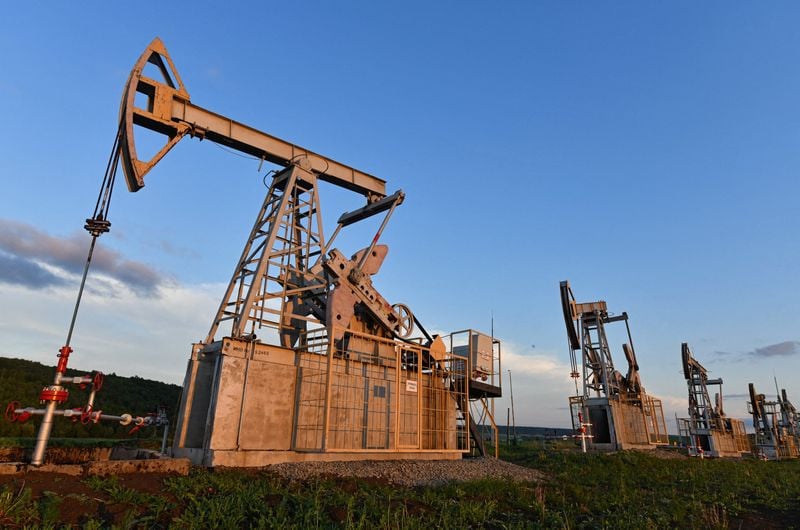
Global oil prices surged past $100 per barrel again overnight as the ongoing conflict involving the United States and Israel with Iran continues to disrupt energy markets and fuel supply routes.
The increase came despite a coordinated move by 32 countries, including the United States and other major economies, to release record volumes of oil into the global market earlier on Wednesday, News.Az reports, citing CNN.
Brent crude, the international benchmark, hovered around $100 per barrel early Thursday, marking an 8.7% rise on the day. Meanwhile, West Texas Intermediate (WTI) also climbed 8.7% to about $94.8 per barrel.
RECOMMENDED STORIES
Energy markets remain under pressure as the conflict in the Middle East continues and the Strait of Hormuz—which carries roughly one-fifth of the world’s daily oil supply—remains effectively closed amid Iranian attacks on vessels attempting to transit the corridor.
In response, Saudi Arabia, the world’s largest oil exporter, has begun redirecting maritime shipments to its Red Sea ports to avoid the strait. Several other Gulf states have also faced attacks on energy infrastructure and have reduced output.
Oil prices have been highly volatile since U.S. and Israeli strikes on Iran more than a week ago. Brent crude briefly surged to nearly $120 per barrel on Sunday before easing in the following days.
On Wednesday, member states of the International Energy Agency agreed unanimously to release 400 million barrels of oil from emergency reserves—the largest such release in history.
The volume far exceeds the 182 million barrels released in 2022 following the Russian invasion of Ukraine.
However, oil’s return above $100 suggests the emergency release has not been enough to ease investor concerns about continued supply disruptions caused by the near shutdown of the Strait of Hormuz.
Analysts note that prices could remain volatile in the short term. Oil trading overnight often sees sharper swings due to thinner market volumes and speculative activity before heavier trading resumes during U.S. market hours.
By Nijat Babayev


Similar news